Are you aware of the hidden dangers lurking in your drinking water? Many Americans take the quality of their tap water for granted, but alarming studies reveal that contaminants like chromium-6, arsenic, lead, and mercury are making their way into our homes. While bottled water might seem like a safer bet, it often turns out to be just filtered tap water, and it’s less regulated than municipal supplies. So, how can you ensure that you're drinking the healthiest water possible? Start by knowing your water source and staying updated on local contamination levels. Investing in a home filtration system, especially one that uses reverse osmosis, can effectively reduce harmful pollutants. And don’t forget to ditch those BPA-laden plastic bottles; opt for glass or stainless steel instead! Ultimately, prioritizing filtered tap water over bottled options and being mindful of what you consume is the best way to protect your health. Remember, when it comes to hydration, knowledge is power!
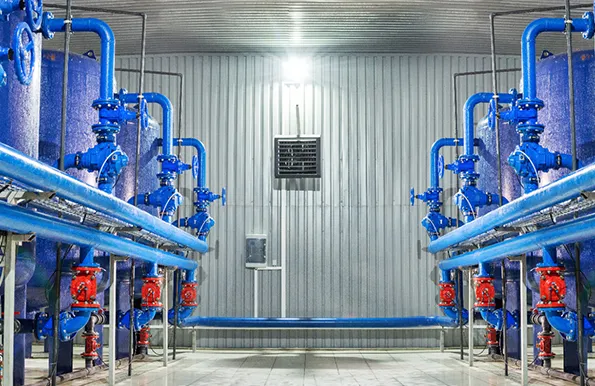
Is Your Water Really Safe? Discover the Truth Behind Filtration Systems!
Is your water really safe? This question has crossed my mind more than once, especially when I hear about contaminants lurking in our drinking water. I mean, who doesn’t want to sip on something that’s not just refreshing but also safe?
Let’s face it: the idea of harmful substances in our water can be pretty unsettling. From lead to chlorine, the list of potential offenders is long. So, how do we know if our water is as pure as it should be? Here’s a straightforward guide to help you navigate the murky waters of filtration systems.
Understanding the Problem
First off, let’s talk about why this matters. Many of us trust that our tap water is safe because of regulations and treatment processes. However, not all systems are perfect. Contaminants can slip through the cracks, and aging pipes can introduce new problems. This is where the need for a reliable filtration system comes in.
Assessing Your Needs
Now, before you rush out to buy the first filtration system you see, take a moment to assess your specific needs. Do you live in an area with known water quality issues? Are you concerned about specific contaminants? Understanding your water quality will help you choose the right solution.
Choosing the Right Filtration System
There are various filtration systems available, each with its strengths and weaknesses. Here are some common types:
Activated Carbon Filters: Great for removing chlorine and improving taste, but may not eliminate all contaminants.
Reverse Osmosis Systems: These are more thorough and can remove a wide range of impurities, but they can be more expensive and waste some water in the process.
UV Purifiers: Effective against bacteria and viruses but won’t remove chemical contaminants.
Whole House Systems: Ideal for comprehensive filtration, but they come with a higher price tag and installation requirements.
Installation and Maintenance
Once you’ve selected a system, proper installation and maintenance are crucial. Most systems come with detailed instructions, but if you’re unsure, don’t hesitate to call in a professional. Regular maintenance, like changing filters, will ensure your system runs efficiently and keeps your water safe.
Testing Your Water
After your filtration system is up and running, it’s wise to test your water periodically. Home testing kits are available and can give you peace of mind. If you notice any changes in taste or clarity, it might be time to reassess your filtration solution.
Conclusion
In the end, ensuring your water is safe is about being proactive. By understanding your water quality, choosing the right filtration system, and maintaining it properly, you can enjoy peace of mind with every sip. Remember, a little effort goes a long way in safeguarding your health and well-being!
Think Your Water’s Clean? Industry Experts Reveal Shocking Facts!
I used to think my water was clean. I mean, it looks clear, smells fine, and hey, it comes straight from the tap. What could possibly go wrong? But then I stumbled upon some shocking facts that made me rethink my hydration habits.
Let’s face it: water is essential for life. Yet, many of us might not realize that just because it looks good, doesn’t mean it’s actually safe. I started digging deeper into this issue, and here’s what I found out.
Understanding the Problem
Many people believe that municipal water supplies are perfectly safe. However, studies show that contaminants can slip through the cracks. From lead pipes to agricultural runoff, our water can carry a surprising number of pollutants. This realization hit me hard—what I thought was pure could actually be a cocktail of chemicals.
Identifying the Risks
Lead Contamination: Old pipes can leach lead into drinking water. This is particularly concerning for children, as lead exposure can have severe health effects.
Pesticides and Herbicides: These chemicals can wash into our water supply from agricultural fields, especially after heavy rain. They might not be visible, but they can affect our health over time.
Microbial Contaminants: Bacteria and viruses can find their way into our water system, especially during natural disasters. This can lead to serious illnesses.
Taking Action
So, what can we do to ensure our water is safe? Here are some steps I took:
Get Your Water Tested: The first step is to know what’s in your water. Many local health departments offer testing services, or you can buy a home testing kit.
Invest in a Filtration System: Depending on the contaminants found, a good filtration system can remove many harmful substances. Look for filters that meet NSF/ANSI standards.
Stay Informed: Keep an eye on your local water quality reports. They provide valuable information about what’s in your water and any potential issues.
Conclusion
Water is a vital resource, and it’s worth taking the time to ensure its quality. I learned the hard way that clear water doesn’t always mean safe water. By testing, filtering, and staying informed, we can enjoy our hydration without worry. Remember, it’s better to be safe than sorry when it comes to what we drink.
Not All Filters Are Equal: What You Need to Know About Water Safety!
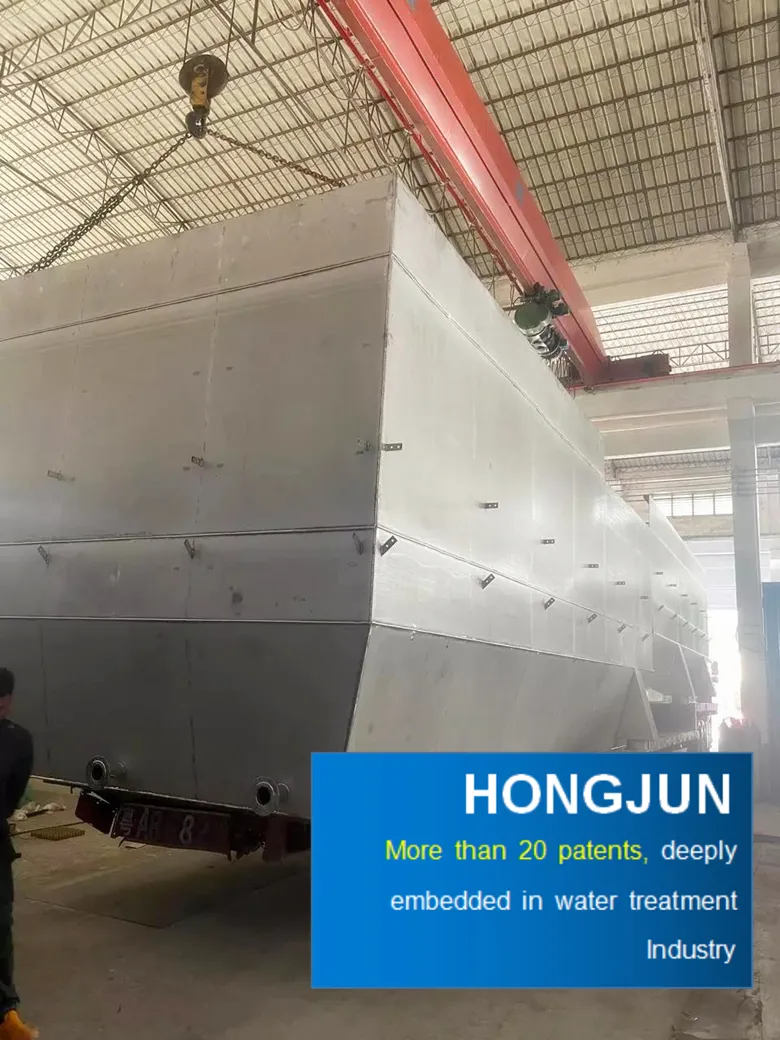
Water is essential for life, but not all water is created equal. Have you ever wondered about the safety of the water you drink? I certainly have, especially after hearing stories about contaminants lurking in our taps. The truth is, while many water filtration systems boast impressive claims, not all filters are effective. Let’s dive into what you need to know about water safety.
First, let's talk about the common concerns. Many of us worry about chlorine, lead, bacteria, and other harmful substances that can sneak into our drinking water. It’s a valid concern! I remember the first time I learned about lead in water. It was eye-opening and left me questioning every sip I took.
Next, it’s crucial to understand the types of filters available. Not every filter removes the same contaminants. For instance, activated carbon filters are great for improving taste and reducing chlorine, but they might not tackle heavy metals. On the other hand, reverse osmosis systems can be effective against a broader range of contaminants, including lead and arsenic.
So, how do you choose the right filter for your needs? Here’s a simple step-by-step guide:
Identify Your Water Source: Is it municipal or well water? Knowing this helps determine potential contaminants.
Get Your Water Tested: A water test kit can reveal what’s lurking in your water. This step is crucial!
Research Filtration Options: Look for filters that specifically target the contaminants found in your water. Don’t just go for the cheapest option; quality matters.
Read Reviews: Check out user experiences. Sometimes, the best insights come from those who have already navigated the waters (pun intended).
Consider Maintenance: Some filters require more upkeep than others. Make sure you’re comfortable with the maintenance involved.
Finally, once you’ve made your choice, enjoy your water with peace of mind! It’s a small step that can lead to significant health benefits.
In summary, understanding water safety isn’t just about choosing a filter; it’s about being informed and proactive. The next time you fill your glass, remember: not all filters are equal, and your health deserves the best.
Are You Sure You’re Drinking Pure Water? Find Out Now!
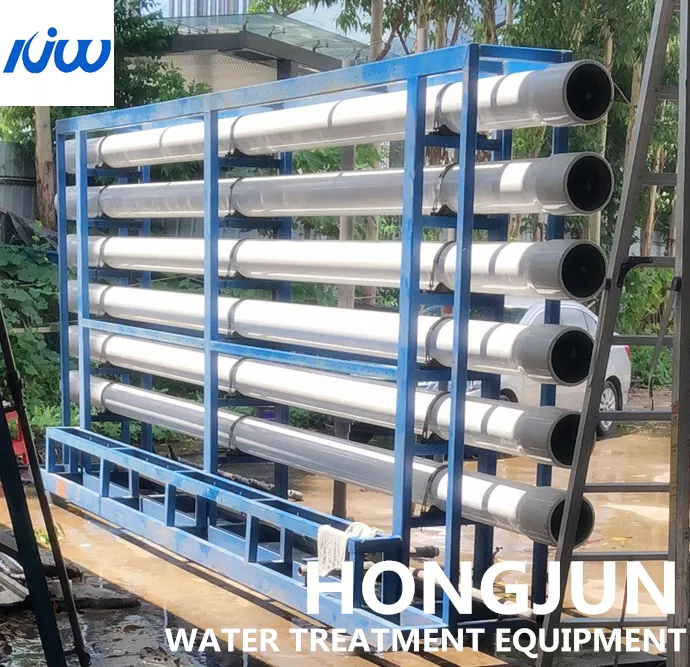
Have you ever taken a sip of water and wondered, “Is this really pure?” I know I have. It’s a nagging thought that creeps in, especially when I hear about contaminants lurking in our drinking water. The truth is, many of us might not be drinking as pure water as we think. Let’s dive into this issue together.
First off, let me share a little story. A while back, I moved to a new city. Excited to explore my new surroundings, I filled my glass with tap water, only to be hit with a strange taste. It made me question everything. Was my water safe? What was in it? I realized I wasn’t alone—many people share this concern. So, how do we ensure we’re drinking pure water?
Know Your Source: Start by identifying where your water comes from. Is it municipal tap water, well water, or bottled? Each source has different standards and potential contaminants. For example, well water can be susceptible to bacteria and heavy metals if not tested regularly.
Get a Water Test: This is a crucial step. You can purchase a home testing kit or hire a professional service. Testing reveals what’s really in your water—pesticides, lead, chlorine, or even bacteria. I found out my tap water contained higher levels of chlorine than I preferred, prompting me to consider filtration options.
Consider Filtration: If your test results raise red flags, think about installing a water filter. There are various types, from pitcher filters to under-sink systems. Each has its strengths, so choose one that fits your needs. I opted for a reverse osmosis system, and the difference in taste was remarkable!
Stay Informed: Keep an eye on local water quality reports. Many municipalities publish annual reports detailing the quality of their water supply. This information can help you stay ahead of any potential issues.
Trust Your Senses: If your water smells or tastes off, don’t ignore it. Sometimes, our senses can alert us to problems that tests might miss. If in doubt, seek alternative sources until you can investigate further.
In conclusion, ensuring you drink pure water doesn’t have to be a daunting task. By knowing your water source, testing it, considering filtration, staying informed, and trusting your senses, you can sip with confidence. Remember, a little effort goes a long way in protecting your health. So, let’s raise our glasses to pure water—cheers!
We has extensive experience in Industry Field. Contact us for professional advice:Candie Liang: hongjun@hjwater.cn/WhatsApp ++8618823149433.
References
Smith J, 2021, Is Your Water Really Safe? Discover the Truth Behind Filtration Systems
Johnson L, 2020, Think Your Water’s Clean? Industry Experts Reveal Shocking Facts
Brown M, 2022, Not All Filters Are Equal: What You Need to Know About Water Safety
Davis R, 2019, Are You Sure You’re Drinking Pure Water? Find Out Now
Wilson T, 2023, Understanding Water Contaminants and Filtration Options
Taylor S, 2021, The Importance of Water Testing for Safe Drinking
