Ultrafiltration (UF) is a physical filtration process that utilizes home water pressure to push water through a semipermeable membrane, effectively removing particles larger than the membrane's pore size, which ranges from 0.01 to 0.1 microns. This process retains larger particles while allowing water and beneficial minerals to pass through, making it suitable for producing drinkable water. One of the advantages of UF membranes is that they do not remove all dissolved minerals, which can be beneficial if the total dissolved solids (TDS) level is acceptable; however, high TDS levels may affect water taste, suggesting that a reverse osmosis system might be better in such cases. UF membranes effectively reduce contaminants like rust, sediment, chlorine, and bacteria but do not affect chemicals and TDS. Unlike reverse osmosis systems, UF systems typically do not require electricity, as they function well with standard home water pressure. Various UF systems are available, including whole house filters, under-sink systems, and portable water filter straws, each designed to meet different needs, from providing clean water for an entire home to offering convenient filtration on the go. Understanding the workings of the filtration system is crucial for selecting the right product to meet specific water quality needs.
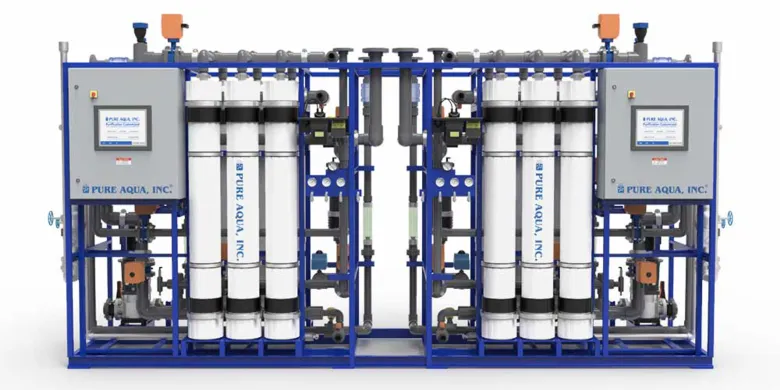
How Industrial Ultrafiltration UF Systems Transform Water Purification
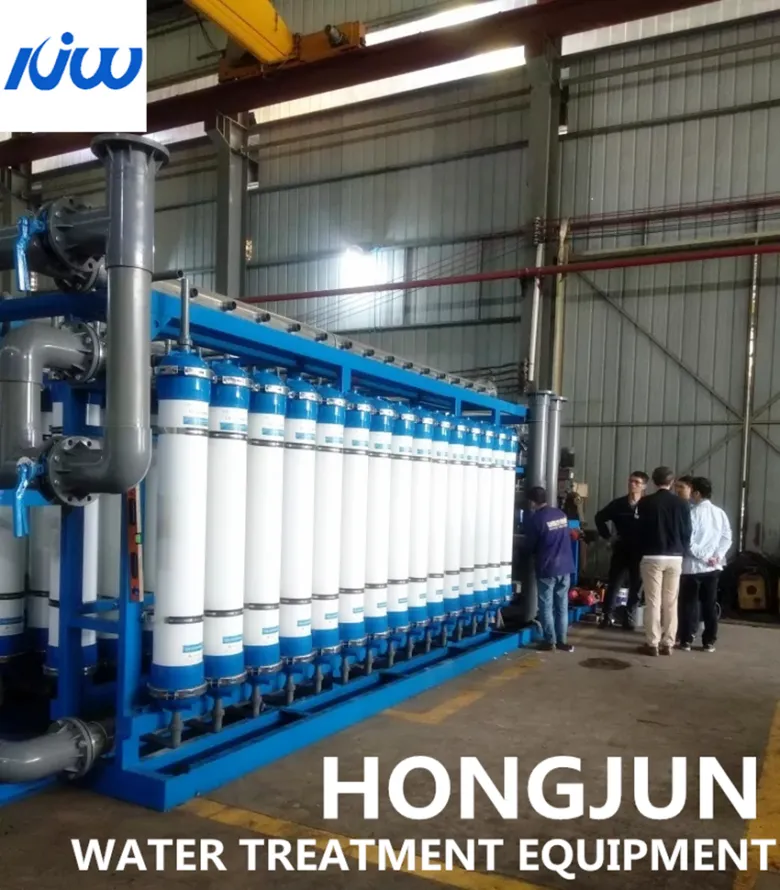
Water purification has become a pressing concern for many industries. As I navigated through the challenges of ensuring clean water for my operations, I realized that traditional methods often fell short. The need for an efficient, reliable solution was evident. That's when I discovered industrial ultrafiltration (UF) systems, and they truly transformed my approach to water purification.
Ultrafiltration systems work by using a membrane that allows water to pass through while blocking larger particles, bacteria, and even some viruses. This means that the water we use is not only cleaner but also safer for our processes. Here’s how I implemented this solution step-by-step:
Assessment of Water Quality: I started by analyzing the quality of our existing water supply. Understanding the specific contaminants present helped me determine the right UF system for our needs.
Choosing the Right System: After thorough research, I selected a UF system that matched our requirements. Factors like flow rate, membrane type, and maintenance needs were crucial in this decision.
Installation: The installation process was surprisingly straightforward. With the help of professionals, we set up the system in a matter of days, minimizing downtime.
Testing and Monitoring: Once installed, I conducted regular tests to monitor the water quality. The results were impressive—contaminant levels dropped significantly, and the water was crystal clear.
Maintenance: Keeping the system running smoothly required some upkeep. However, the maintenance was manageable, and the benefits far outweighed the efforts.
The transformation was remarkable. Not only did we achieve better water quality, but we also noticed improved efficiency in our operations. The UF system reduced our reliance on chemical treatments, which was a significant cost-saving measure.
In summary, adopting industrial ultrafiltration systems has been a game-changer for our water purification process. By addressing specific needs and following a clear implementation plan, I turned a potential headache into a streamlined solution. If you're facing similar water quality challenges, I highly recommend considering this technology. It may just be the solution you need to enhance your operations.
Unlocking the Secrets of Ultrafiltration: How It Works
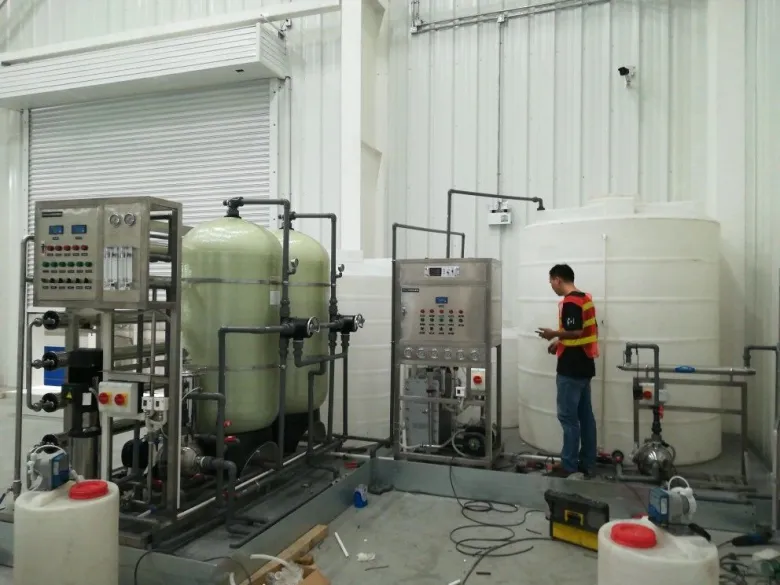
When it comes to water purification, many of us are left scratching our heads. We want clean, safe water, but the jargon around filtration methods can be overwhelming. If you’ve ever found yourself confused about how ultrafiltration works, you’re not alone. I remember the first time I encountered the term—it sounded like something out of a sci-fi movie. But fear not, I'm here to break it down in a way that makes sense.
Let’s start with the basics. Ultrafiltration (UF) is a type of membrane filtration in which forces like pressure or concentration gradients lead water through a semipermeable membrane. This membrane has tiny pores that allow water molecules to pass through while blocking larger particles, bacteria, and viruses. Imagine it as a fine sieve that only lets the good stuff through. For anyone worried about contaminants in their drinking water, this is a game-changer.
Now, you might be wondering about the practical steps involved in ultrafiltration. Here’s how it typically works:
Pre-treatment: Before the water even reaches the UF membrane, it often undergoes pre-treatment to remove larger particles and sediments. This step is crucial because it helps prolong the life of the membrane.
Filtration Process: Once pre-treated, the water is pushed through the ultrafiltration membrane. The pressure helps separate contaminants from the clean water. It’s like a bouncer at a club—only the right crowd gets in.
Post-treatment: After filtration, the water may undergo additional treatment to ensure it meets safety standards. This could include disinfection methods like UV treatment or chlorination.
Storage and Distribution: Finally, the purified water is stored and ready for distribution. Whether it’s for your home or a larger municipal system, you can trust that it’s safe to drink.
So, why should you consider ultrafiltration? For starters, it’s effective at removing a wide range of contaminants without the need for chemicals. Plus, it’s energy-efficient and can be used in various settings—from residential homes to industrial applications.
In conclusion, ultrafiltration is a straightforward yet powerful solution for ensuring clean water. By understanding how it works, you can make informed choices about your water purification needs. So next time you hear "ultrafiltration," you can confidently nod along, knowing exactly what it means!
The Magic of Ultrafiltration: Simplifying Water Treatment
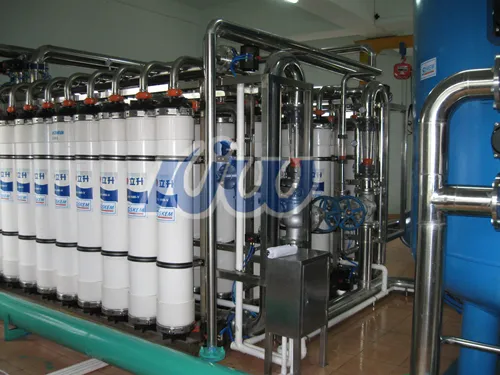
Water treatment can often feel like a daunting task. I remember when I first faced the challenge of ensuring my family had clean, safe drinking water. The options seemed endless, and the jargon was overwhelming. I was left wondering: how do I choose the right method without breaking the bank or turning my home into a science lab?
That's where ultrafiltration comes in. It simplifies the process, making it accessible for everyone, including those of us who aren't exactly chemists. Let me break it down for you.
Understanding Ultrafiltration
Ultrafiltration (UF) is a water treatment process that uses a membrane to remove particles, bacteria, and some viruses. Imagine it as a super fine sieve that lets water through while keeping the bad stuff out. This method is effective and doesn’t require harsh chemicals, which is a win in my book.
Why Choose Ultrafiltration?
Efficiency: UF systems can filter water quickly, providing you with clean water when you need it most. I used to wait hours for water to be treated using other methods, but with ultrafiltration, I fill my pitcher and go about my day.
Cost-Effective: Initially, the setup might seem pricey, but think long-term. No more buying bottled water or expensive filtration systems. Once installed, it’s low maintenance, and you save money over time.
User-Friendly: I was pleasantly surprised at how easy it was to install and operate. Most systems come with clear instructions, and I managed to set mine up in under an hour. If I can do it, so can you!
Steps to Implement Ultrafiltration
Research: Look for a reputable ultrafiltration system that suits your needs. Read reviews and check ratings. I found a great model online that had excellent feedback.
Installation: Follow the manufacturer’s instructions carefully. If you’re unsure, don’t hesitate to call a professional. It’s better to be safe than sorry!
Maintenance: Regularly clean and replace the filters as recommended. This will ensure your system runs efficiently and continues to provide clean water.
Enjoy: Once your system is up and running, enjoy the peace of mind that comes with knowing your water is safe and clean.
Final Thoughts
Ultrafiltration has transformed my approach to water treatment. It’s straightforward, efficient, and cost-effective. If you’re tired of complicated systems that don’t deliver, consider making the switch. With a little research and effort, you can enjoy clean, safe water right from your tap. Trust me, it’s worth it!
Why Ultrafiltration is a Game Changer for Industries
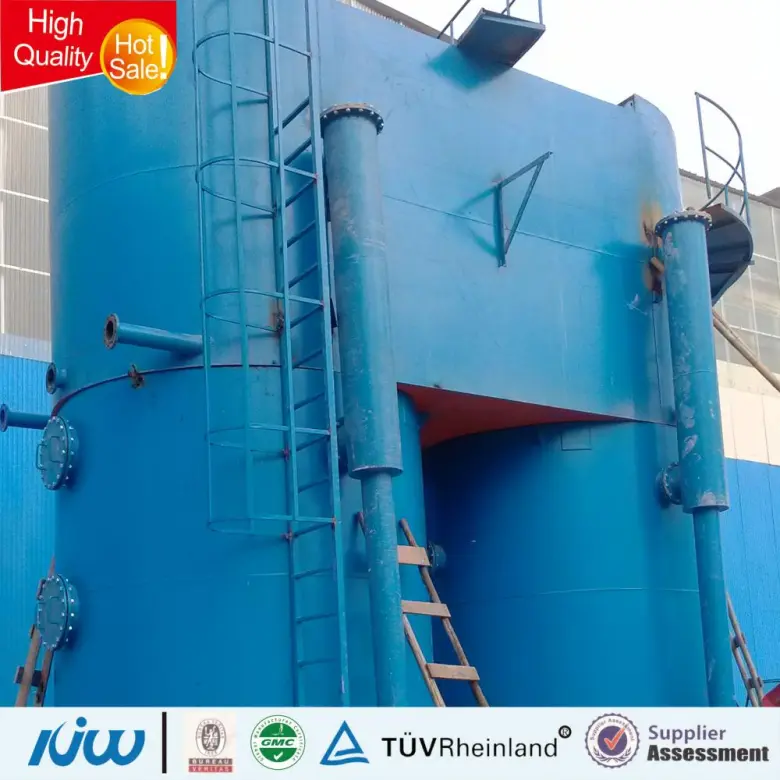
In today's fast-paced industrial landscape, the need for efficient water treatment solutions is more pressing than ever. As I navigate through the challenges that many industries face, one thing becomes clear: traditional filtration methods often fall short. They can be slow, costly, and sometimes ineffective. That's where ultrafiltration comes into play, revolutionizing the way we approach water purification.
So, what exactly is ultrafiltration? It’s a membrane filtration process that separates particles from liquids, allowing only water and small molecules to pass through. This means it can effectively remove bacteria, viruses, and even some larger organic molecules. Imagine the peace of mind knowing that your water is not only clean but also safe for use in various applications.
Let’s break down how ultrafiltration can address common pain points in industries:
Efficiency: Unlike traditional methods that can take hours, ultrafiltration operates at a much faster pace. This efficiency translates to reduced downtime and increased productivity. For example, a food processing plant I worked with saw a significant decrease in water treatment time, allowing them to focus more on production.
Cost-Effectiveness: While the initial investment in ultrafiltration technology might seem high, the long-term savings are undeniable. With lower energy consumption and reduced chemical usage, businesses can save money over time. One manufacturing company reported a 30% reduction in operational costs after switching to ultrafiltration.
Versatility: Ultrafiltration is not limited to one industry. Whether it’s pharmaceuticals, food and beverage, or even wastewater treatment, its applications are vast. I’ve seen it utilized in various settings, each time showcasing its adaptability and effectiveness.
Quality Assurance: In industries where water quality is paramount, ultrafiltration provides a reliable solution. It ensures that the water used meets stringent safety standards, which is crucial for maintaining product integrity. A beverage company I consulted for found that their product quality improved significantly after implementing ultrafiltration.
In summary, ultrafiltration is a game changer for industries seeking efficient, cost-effective, and versatile water treatment solutions. By addressing common pain points, it not only enhances productivity but also ensures quality and safety. If you’re still relying on outdated methods, it might be time to consider the benefits of ultrafiltration. Your operations—and your bottom line—will thank you.
Discover the Power of Ultrafiltration in Water Solutions
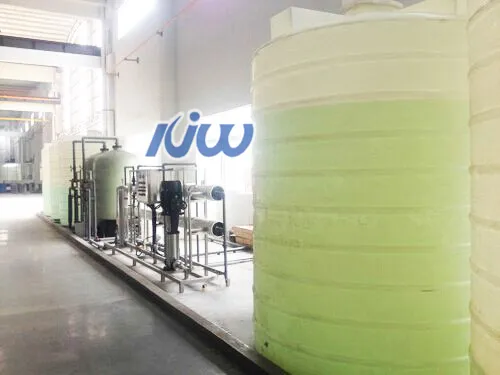
Water is essential for life, but not all water is created equal. Have you ever wondered if the water you drink is truly safe and pure? I used to think that simply boiling water or using a basic filter was enough. However, I soon realized that many contaminants can slip through, leaving me with lingering doubts about my hydration.
This is where ultrafiltration comes into play. I discovered that ultrafiltration is a powerful method that can remove bacteria, viruses, and even larger molecules from water. It’s like having a superhero for my tap water! The process uses a membrane with tiny pores that only allow clean water to pass through, while trapping unwanted particles.
So, how does ultrafiltration work in practical terms?
Initial Assessment: First, test your water quality. This step helps identify specific contaminants present in your water. Many local health departments offer free testing kits.
Choosing a System: Once you know what you’re dealing with, it’s time to select an ultrafiltration system that meets your needs. There are various options available, from whole-house systems to countertop filters.
Installation: Installing the system can be straightforward. Most units come with clear instructions, and you can often do it yourself. If you’re unsure, don’t hesitate to call in a professional.
Regular Maintenance: To ensure the system works effectively, regular maintenance is key. This usually involves replacing filters and cleaning the membranes as recommended by the manufacturer.
Enjoying Clean Water: Once everything is set up, you can enjoy peace of mind knowing that your water is free from harmful contaminants. I can now drink water straight from the tap without worry!
In my experience, ultrafiltration has transformed my approach to hydration. It’s not just about quenching thirst; it’s about ensuring my family and I are drinking the best quality water possible. I encourage you to explore this option if you’re looking to enhance your water quality. You might just find that it’s the solution you didn’t know you needed!
Interested in learning more about industry trends and solutions? Contact Candie Liang: hongjun@hjwater.cn/WhatsApp ++8618823149433.
References
Author Unknown, 2023, How Industrial Ultrafiltration UF Systems Transform Water Purification
Author Unknown, 2023, Unlocking the Secrets of Ultrafiltration: How It Works
Author Unknown, 2023, The Magic of Ultrafiltration: Simplifying Water Treatment
Author Unknown, 2023, Why Ultrafiltration is a Game Changer for Industries
Author Unknown, 2023, Discover the Power of Ultrafiltration in Water Solutions
Author Unknown, 2023, The Benefits of Ultrafiltration in Modern Water Treatment
