Is your wastewater treatment system working harder than you are? In an industry often perceived as grimy and hazardous, the reality of modern wastewater treatment facilities tells a different story. While past experiences, like those of James Constantine in 1981, highlighted the risks of noxious gases and hazardous materials, today's technology has transformed the landscape. Operators now monitor equipment, collect samples, and respond to alarms with minimal direct contact with sewage, thanks to advanced filtration and automation. Personal protective gear ensures safety, and strict health regulations are in place to mitigate risks like pathogen exposure. Despite some inherent dangers, a career in wastewater treatment is rewarding, contributing to public health by preventing pollution. However, industrial wastewater presents unique challenges due to its high pollutant concentrations and variable volumes, complicating treatment processes. Unlike stable municipal sewage, industrial effluents contain organic matter, heavy metals, and toxic chemicals, making conventional methods less effective. This variability can lead to inefficiencies and regulatory issues, pushing industries to explore alternative treatment solutions like anaerobic digesters and aerobic systems. Upgrading technologies is essential for tackling persistent contaminants—pharmaceuticals, hormones, THMs, microbeads, and chlorides—that many treatment plants struggle to eliminate. Innovative methods like activated carbon filtering and reverse osmosis can achieve remarkable removal rates. Companies like Lakeside Equipment Corporation are stepping up, offering tailored solutions to enhance wastewater treatment processes. So, is your system pulling its weight, or is it time for an upgrade?
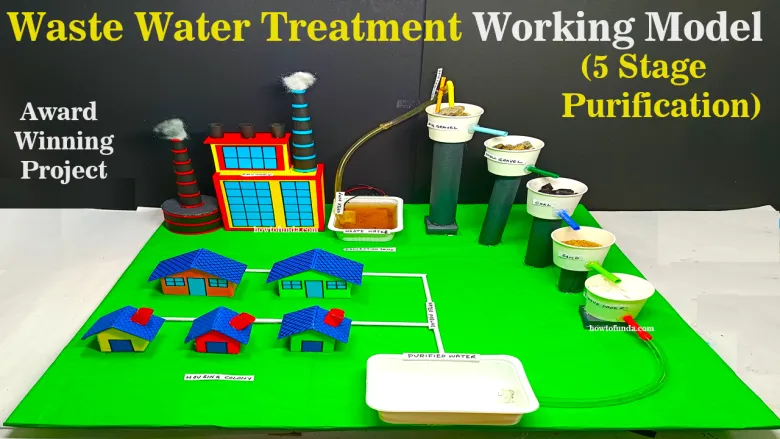
Is Your Wastewater Treatment System Overwhelmed?
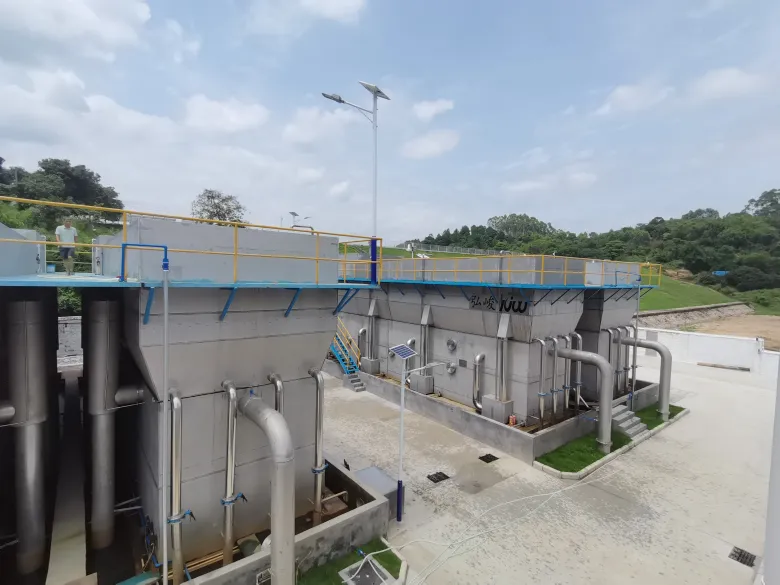
Is your wastewater treatment system feeling the pressure? You're not alone. Many of us have faced the daunting challenge of keeping our systems running smoothly amidst increasing demands. Whether it's due to population growth, industrial expansion, or simply aging infrastructure, an overwhelmed system can lead to costly repairs and environmental concerns.
I remember the first time I encountered this issue. Our facility was struggling to keep up with the inflow, and I could almost hear the system groaning under the pressure. It was a wake-up call that made me realize the importance of proactive maintenance and timely upgrades.
So, how do we tackle this? Here are some steps I found helpful:
Assess Your Current System: Take a close look at your wastewater treatment system. Identify bottlenecks and areas that are frequently overloaded. This step is crucial in understanding where improvements are necessary.
Invest in Upgrades: Sometimes, the solution lies in technology. Upgrading your system can significantly enhance its capacity and efficiency. Consider options like advanced filtration systems or automated monitoring tools.
Regular Maintenance: Just like a car, your wastewater system needs regular check-ups. Schedule maintenance visits to clean and inspect your system. This proactive approach can prevent minor issues from becoming major headaches.
Educate Your Team: Ensure that everyone involved in the operation understands the system's limits and best practices. Training can empower your team to recognize potential problems before they escalate.
Monitor Performance: Implement a monitoring system to keep an eye on key performance indicators. This data can help you make informed decisions about when to intervene or upgrade.
By following these steps, I’ve seen facilities not only survive but thrive, even in challenging conditions. It’s all about staying ahead of the curve and being prepared for the unexpected.
In summary, an overwhelmed wastewater treatment system doesn’t have to spell disaster. With careful assessment, timely upgrades, and regular maintenance, you can keep your system running smoothly and efficiently. Remember, a little proactive effort today can save you from significant issues tomorrow.
How to Ensure Your Wastewater System Is Efficient
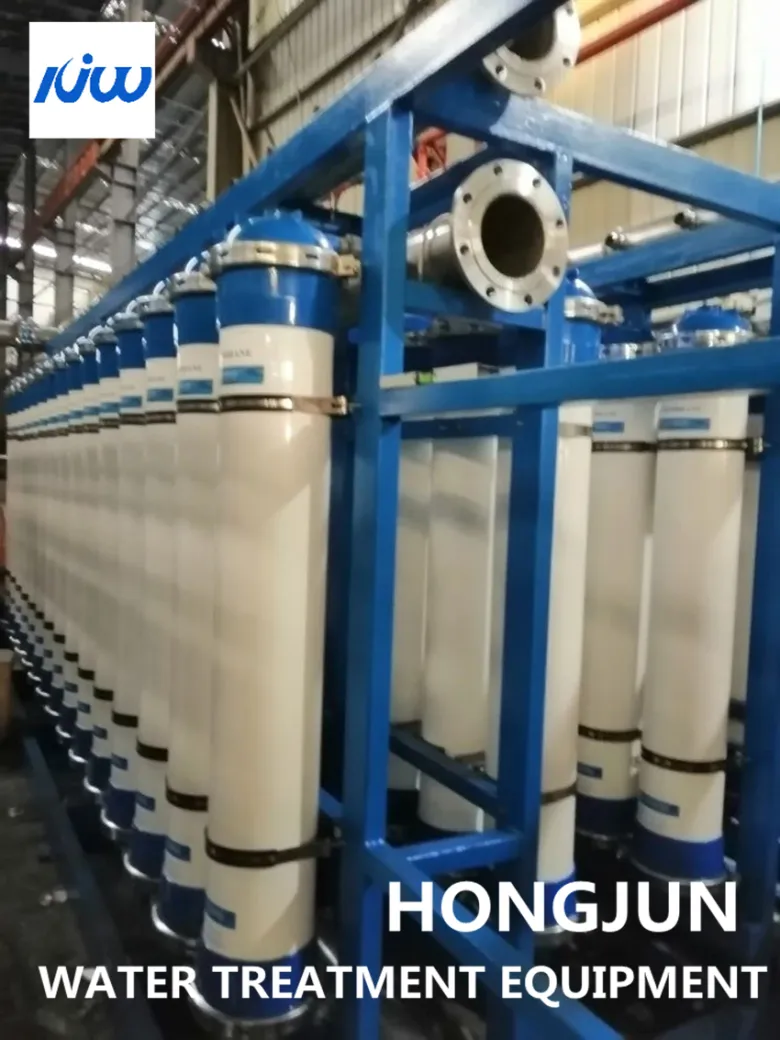
Every time I think about wastewater systems, I feel a mix of confusion and concern. After all, an inefficient system can lead to costly repairs, environmental issues, and a whole lot of headaches. If you're like me, you want to ensure your wastewater system operates smoothly without breaking the bank. Let's dive into how to make that happen!
Identify the Problem Areas
First, take a good look at your wastewater system. Is there an unpleasant odor? Are there frequent backups? These are signs that something isn’t right. I remember when my own system started acting up—clogs became a regular occurrence, and I was left scrambling for solutions. Identifying these issues early can save you a lot of trouble down the line.
Regular Maintenance is Key
Just like changing the oil in your car, regular maintenance of your wastewater system is crucial. Schedule routine inspections and cleanings. I found that having a professional check my system every six months helped catch potential problems before they escalated. It’s a small investment that pays off by preventing larger, more expensive repairs later.
Know Your System
Understanding how your specific wastewater system works can make a world of difference. Whether you have a septic system or a municipal sewage system, knowing its components and how they function will help you troubleshoot issues more effectively. I once had a friend who was completely unaware of the importance of his tank's baffles until it was too late. Knowledge is power!
Educate Your Household
Make sure everyone in your household knows what can and cannot go down the drain. I learned this the hard way when my kids thought flushing wipes was a good idea. Educating your family about proper waste disposal can prevent clogs and other costly issues. It’s a simple step that can save you a lot of trouble.
Keep Records
Finally, keep detailed records of any maintenance, repairs, or inspections. This not only helps you track the system's performance over time but also provides valuable information if you ever need to call in a professional. I started maintaining a log after a particularly frustrating incident, and it has made managing my system so much easier.
In summary, ensuring your wastewater system is efficient doesn’t have to be a daunting task. By identifying problem areas, scheduling regular maintenance, understanding your system, educating your household, and keeping records, you can avoid many common pitfalls. Trust me; your future self will thank you for it!
Is Your Wastewater System Keeping Up with Demand?
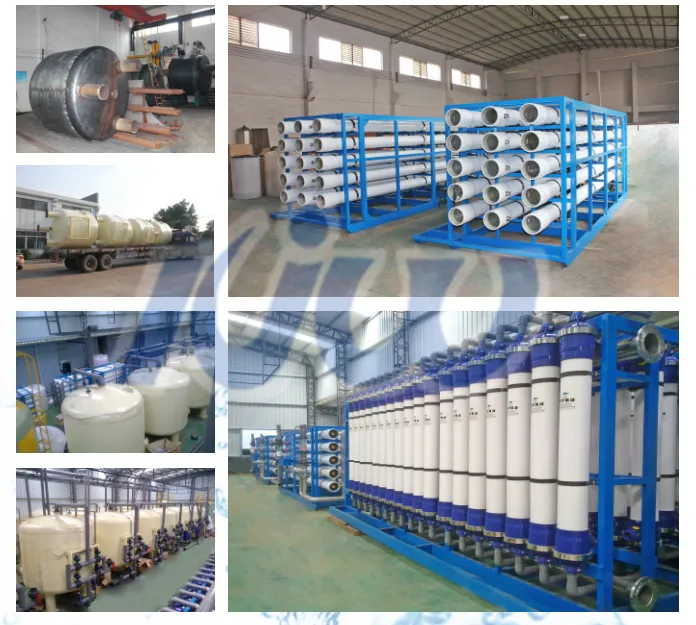
Is your wastewater system keeping up with demand? This question might not cross your mind daily, but it can have significant implications for your home or business. If you’ve ever experienced slow drains, unpleasant odors, or even backups, you know the frustration that comes with an overwhelmed wastewater system. Let’s dive into this issue and explore how to ensure your system is up to the task.
First, it’s essential to recognize the signs that your wastewater system may be struggling. Slow drains are often the first indicator. If you find yourself waiting longer than usual for water to disappear down the sink, it’s time to pay attention. Additionally, if you notice any foul smells wafting from your drains or yard, that’s a clear warning sign that your system might be overloaded.
So, what can you do about it? Here are some practical steps to help you assess and improve your wastewater system:
Regular Inspections: Schedule routine inspections of your system. A professional can identify potential issues before they escalate into costly repairs. Think of it as a check-up for your plumbing.
Avoid Overloading: Be mindful of what goes down your drains. Grease, food waste, and non-biodegradable items can cause blockages. Consider composting food scraps and using strainers in sinks to minimize waste.
Upgrade Your System: If your system is older or frequently overwhelmed, it may be time for an upgrade. Modern systems are designed to handle greater demands and can often operate more efficiently.
Educate Your Household: Ensure everyone in your home understands what can and cannot go down the drain. A little education can go a long way in preventing future issues.
Emergency Preparedness: Have a plan in place for emergencies. Knowing who to call and what steps to take can save you time and money when a problem arises.
In summary, keeping your wastewater system in check is crucial for maintaining a healthy and functional home. By staying vigilant and proactive, you can prevent small issues from becoming major headaches. Remember, a well-maintained wastewater system not only protects your property but also contributes to a cleaner environment. Let’s keep our systems running smoothly!
Signs Your Wastewater Treatment Needs an Upgrade
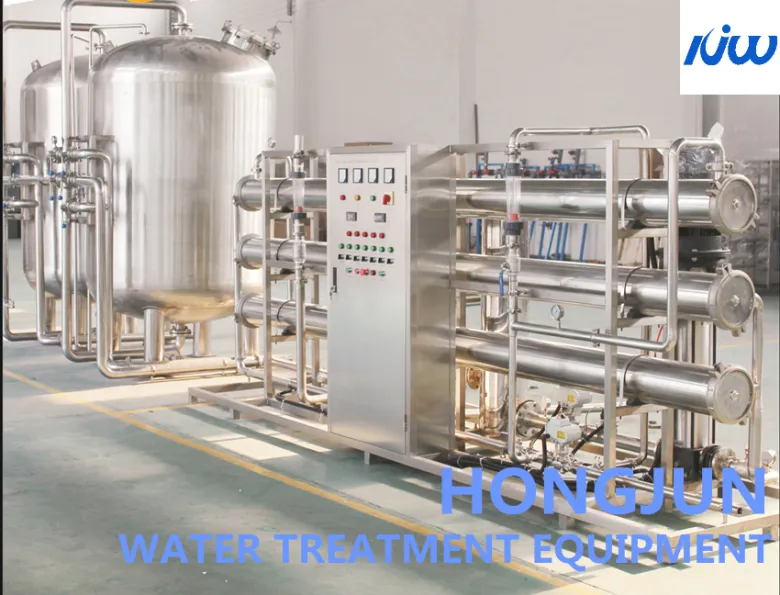
When it comes to wastewater treatment, I’ve often found myself in conversations that revolve around one critical question: Is my system still doing its job? It’s a valid concern, especially when you consider the potential implications of a failing system. Let’s dive into some signs that indicate your wastewater treatment might need an upgrade.
First off, let’s talk about odors. If you’ve noticed unpleasant smells wafting from your treatment area, it’s a clear signal that something is off. A well-functioning system should operate with minimal odor. If you’re catching whiffs of something unsavory, it’s time to investigate further.
Next, consider the clarity of the effluent. If the water coming out of your system looks murky or discolored, it’s a sign that the treatment process isn’t effective. Clean, clear water is the goal, and if your system isn’t delivering that, it may be time for an upgrade.
Another red flag is the frequency of maintenance. If you find yourself calling for repairs more often than you’d like, your system may be struggling. Frequent breakdowns not only disrupt your operations but can also lead to higher costs in the long run.
Now, let’s not forget about capacity. If your facility has grown but your wastewater treatment hasn’t kept pace, you might be facing overload issues. An outdated system can’t handle increased demand, leading to inefficiencies and potential regulatory issues.
Additionally, if you’re noticing an increase in energy bills, it could be due to an inefficient system working overtime. Upgrading to a more energy-efficient model can save you money while ensuring compliance with environmental standards.
Lastly, keep an eye on regulatory compliance. If you’re receiving warnings or citations from local authorities, it’s a clear indication that your system may not be meeting current standards. Upgrading can help you avoid fines and ensure that you’re doing your part for the environment.
In summary, recognizing these signs early can save you from bigger headaches down the road. Whether it’s unpleasant odors, murky water, frequent repairs, capacity issues, rising energy costs, or compliance concerns, each of these factors can point to the need for an upgrade. Addressing these issues proactively not only protects your investment but also contributes to a healthier environment. So, if you find yourself nodding along to any of these points, it might be time to take action and explore your options for an upgrade.
Contact us today to learn more Candie Liang: hongjun@hjwater.cn/WhatsApp ++8618823149433.
References
Liang C 2023 Is Your Wastewater Treatment System Overwhelmed
Liang C 2023 How to Ensure Your Wastewater System Is Efficient
Liang C 2023 Is Your Wastewater System Keeping Up with Demand
Liang C 2023 Signs Your Wastewater Treatment Needs an Upgrade
Liang C 2023 Practical Steps to Improve Your Wastewater System
Liang C 2023 The Importance of Regular Maintenance for Wastewater Systems
