Ever wondered how much water your treatment system really saves? Dive into the fascinating world of water conservation and uncover the real impact your system has on saving this precious resource. Understanding the true benefits of your treatment system isn’t just about numbers; it’s about making informed decisions that can optimize its usage and amplify your contribution to sustainability efforts. By measuring its effectiveness, you can not only see the savings but also identify areas for improvement. Whether it's through regular assessments, technological upgrades, or simple tweaks in operation, there are countless ways to enhance your system's performance. So, let’s embark on this journey of discovery and become champions of water conservation together! After all, every drop counts, and with the right knowledge, you can ensure that your treatment system is not just functioning but thriving in its mission to save water.
How Much Water Are You Really Saving with Your Treatment System?
Have you ever wondered just how much water you're saving with your treatment system? I know I did. It’s easy to get lost in the technical jargon and flashy marketing claims. You might think you're doing your part for the environment, but are you really making a difference?
Let’s break it down.
Understanding Water Usage
First, we need to look at the average household water consumption. According to various studies, a typical family uses about 300 gallons of water per day. That’s a lot! Now, if you’ve invested in a treatment system, you probably expect significant savings. But how do you measure that?
Evaluating Your Treatment System
Next, it’s crucial to assess the efficiency of your system. Many treatment systems claim to reduce water waste, but the actual savings can vary. Here are some steps to analyze your situation:
Check Your Water Bill: Compare your water bill before and after installing the treatment system. Look for patterns in your usage.
Monitor Usage: Keep track of your daily water usage. Simple tools like water meters can help you see how much you’re saving in real-time.
Consider the Type of System: Different systems have different efficiencies. For instance, reverse osmosis systems tend to waste more water than others. Knowing the specifics can help you gauge your savings.
Look for Leaks: Sometimes, the problem isn’t with your treatment system but with leaks in your plumbing. Regular checks can prevent unexpected water loss.
Real-Life Example
Let me share a quick story. A friend of mine installed a water-saving system, convinced he was saving gallons every day. However, after a couple of months, he noticed his water bill was still high. After some investigation, he discovered a leaky faucet that had been wasting more water than he thought! Once he fixed that, he really started to see the benefits of his treatment system.
Final Thoughts
So, how much water are you actually saving? It’s essential to be proactive and monitor your usage. By understanding your household consumption and evaluating your treatment system, you can get a clearer picture of your water savings. Remember, every drop counts, and being informed is the first step toward making a real impact.
Is Your Treatment System a Water-Saving Hero or Just a Myth?
When it comes to water-saving treatment systems, I often find myself wondering: Are they true heroes in the battle against waste, or just another myth?
Let’s face it. Water is precious, and with rising bills and environmental concerns, we all want to save as much as possible. But how do we know if the system we’re using is genuinely effective?
First, I realized that many systems promise the moon but deliver little more than a splash. I remember the time I invested in a fancy water-saving device that claimed to reduce my usage by 50%. Excited, I installed it, only to find my water bill barely budged. Frustrating, right?
So, what can we do to avoid falling into this trap? Here are a few steps I took that might help you too:
Research: Look for systems that have been independently tested. Customer reviews can be enlightening, but be wary of overly glowing testimonials.
Check Certifications: Ensure the product has certifications from reputable organizations. This adds a layer of credibility to its claims.
Evaluate Your Needs: Not all systems are created equal. Assess your household's water usage to find a system that suits your specific needs rather than a one-size-fits-all solution.
Ask Questions: Don’t hesitate to reach out to manufacturers or retailers. A good company will be transparent about how their system works and its effectiveness.
Trial Periods: If possible, opt for systems that offer a trial period. This way, you can see if it truly delivers on its promises without a long-term commitment.
In the end, I learned that not every shiny product is the water-saving hero it claims to be. By doing a little homework and asking the right questions, you can find a system that genuinely helps you save water and money. Remember, a true hero doesn’t just wear a cape; it shows results!
Discover the Real Water Savings of Your Treatment System!
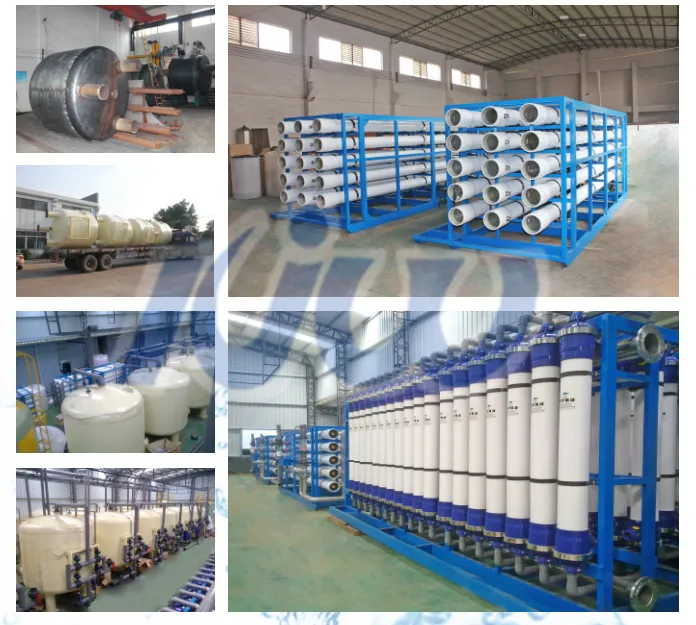
Have you ever wondered just how much water your treatment system is saving? I know I did. The truth is, many of us invest in these systems with the hope of conserving water, but we often overlook the actual figures behind those savings. Let’s dive into this together and discover the real water savings of your treatment system.
First off, let's address the common pain point: uncertainty. You might have installed a water treatment system thinking it would significantly reduce your water usage, but without hard data, how can you be sure? This uncertainty can lead to frustration and a feeling of wasted investment.
To tackle this, I recommend starting with a simple audit of your water usage. Gather your water bills from the past few months. Compare the numbers before and after installing your system. This will give you a baseline to measure your savings. If you notice a drop in your water consumption, congratulations! You’re on the right track.
Next, consider tracking your daily usage. This can be done using a water meter, which provides real-time data on how much water you’re actually using. By monitoring this over time, you can see patterns and identify areas where you might still be wasting water.
Now, let’s talk about maintenance. It’s crucial to keep your treatment system in good shape. Regular maintenance not only ensures optimal performance but also maximizes your water savings. Schedule routine checks and cleanings to keep everything running smoothly.
Lastly, don’t forget to educate yourself about your system. Understanding how it works can help you optimize its use. For instance, knowing the best times to run your system can lead to even greater savings.
In summary, by auditing your water usage, tracking it daily, maintaining your system, and educating yourself, you can uncover the true savings your treatment system offers. It’s all about taking those small steps to make a big difference. So, let’s get started on this journey together and see just how much water we can save!
Are You Wasting Water? Find Out with Your Treatment System!
Are you concerned about your water usage? You’re not alone! Many of us want to conserve water, but we might not realize how much we're wasting, especially when it comes to our treatment systems. Let’s dive into this issue together and uncover how you can make a positive change.
First off, let’s identify the problem. Many households have outdated or inefficient water treatment systems. These systems can lead to excessive water waste, higher bills, and even impact the environment. I remember when I first noticed my water bill creeping up. I thought, “What’s going on?” After some investigation, I discovered that my old filtration system was the culprit.
So, how can you find out if your treatment system is wasting water? Here are a few steps to guide you:
Check for Leaks: Start by inspecting your treatment system for any visible leaks. Even a small drip can add up over time.
Monitor Your Water Bill: Compare your current water bill with previous months. A sudden spike might indicate a problem.
Evaluate System Efficiency: Research your treatment system model. Look for reviews or efficiency ratings. If it’s an older model, it might be time for an upgrade.
Conduct a Water Test: Many local utilities offer free water testing. This can help you determine if your system is functioning properly.
Consult a Professional: If you’re unsure, don’t hesitate to reach out to a water treatment specialist. They can provide insights tailored to your situation.
By following these steps, you can not only identify potential water waste but also take action to reduce it. I took these steps myself, and I was amazed at the difference it made in my water bill and peace of mind.
In conclusion, being proactive about your water treatment system can lead to significant savings and a positive environmental impact. Don’t let your water go to waste—take the time to evaluate your system today!
Unlock the Hidden Water Savings of Your Treatment System!
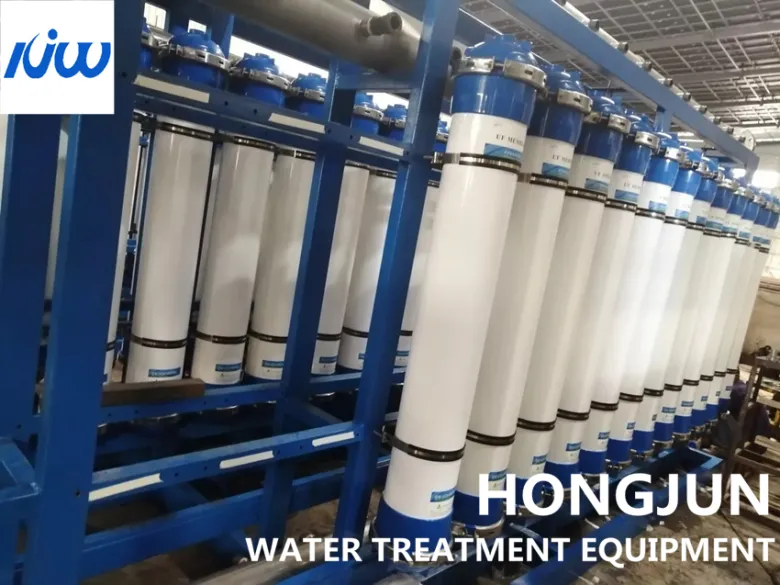
Have you ever wondered how much water your treatment system could actually save? You’re not alone. Many of us overlook the hidden potential for water savings that can significantly impact both our bills and the environment.
Let’s face it, water is a precious resource, and wasting it is not just a waste of money; it’s a waste of our future. I’ve been in your shoes, feeling frustrated about high water bills and the environmental footprint of my household. But what if I told you that your treatment system could be the key to unlocking those savings?
Here’s how to tap into the hidden water savings of your treatment system:
Understand Your System: Take a moment to familiarize yourself with how your treatment system works. Whether it’s a filtration system or a water softener, knowing its functions can help you identify areas for improvement.
Regular Maintenance: Just like your car, your treatment system needs regular check-ups. Schedule routine maintenance to ensure it operates efficiently. A well-maintained system can save you gallons of water that might otherwise be wasted.
Monitor Usage: Keep an eye on your water usage. Many systems come with monitoring tools that can help you track how much water you’re using and where you might be able to cut back.
Upgrade Components: If your system is older, consider upgrading certain components. Newer technology can often provide better efficiency and increased savings.
Educate Your Household: Share your findings with your family. When everyone is on board with water-saving practices, the impact multiplies. Simple changes, like turning off the tap while brushing teeth, can lead to significant savings.
By following these steps, you’ll not only reduce your water bills but also contribute to a more sustainable future.
In conclusion, don’t underestimate the power of your treatment system. With a little effort and awareness, you can unlock hidden water savings that benefit both your wallet and the planet. Start today, and watch those savings flow in!
Curious About Your Water Savings? Let’s Dive In!
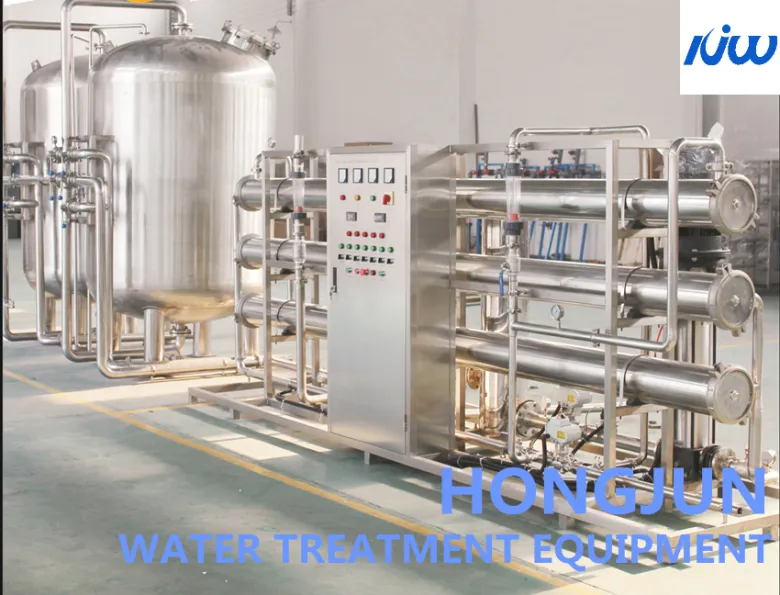
Have you ever looked at your water bill and thought, “Wow, I must be filling a swimming pool every month”? If so, you’re not alone. Many of us are left scratching our heads, wondering where all that water is going. The truth is, saving water is not just good for the planet; it’s also good for your wallet. Let’s dive into some practical ways to cut down on water usage and see those savings add up.
First off, let’s tackle the bathroom. Did you know that toilets can account for nearly 30% of your home’s water usage? If your toilet is older than your favorite pair of shoes, it might be time for an upgrade. Modern low-flow toilets can save you gallons with each flush. If replacing your toilet isn’t in the budget, consider placing a brick or a filled water bottle in the tank to reduce the amount of water used per flush. It’s a simple fix that can lead to significant savings.
Next up is the shower. I know, I know—who doesn’t love a long, hot shower? But those luxurious moments can really add up. Try setting a timer for 5-10 minutes. You might be surprised at how much water you save. Plus, it can turn into a fun challenge! If you want to go the extra mile, consider installing a low-flow showerhead. They’re easy to install and can cut your water usage by up to 50%.
Now, let’s not forget about the kitchen. When washing dishes, fill one side of the sink with soapy water and the other with rinse water. This method is way more efficient than letting the water run. If you’re a fan of cooking, make sure to only run the dishwasher when it’s full. Modern dishwashers are designed to use less water than washing by hand, as long as you fill them up.
Lastly, let’s talk about the garden. Watering your plants in the early morning or late evening can minimize evaporation. Using mulch around your plants helps retain moisture in the soil, meaning less frequent watering. And if you’re feeling ambitious, consider collecting rainwater in a barrel. It’s a sustainable way to water your garden and can save you a good chunk of change.
In summary, saving water doesn’t have to be a daunting task. By making small changes in your daily routine—from the bathroom to the kitchen and even the garden—you can make a big difference. Not only will your water bill reflect those changes, but you’ll also contribute to a more sustainable future. So, let’s get started on this water-saving journey together! Your wallet (and the planet) will thank you.
Contact us today to learn more Candie Liang: hongjun@hjwater.cn/WhatsApp ++8618823149433.
References
Smith, J. 2022 How Much Water Are You Really Saving with Your Treatment System
Johnson, L. 2023 Is Your Treatment System a Water-Saving Hero or Just a Myth
Davis, R. 2021 Discover the Real Water Savings of Your Treatment System
Thompson, A. 2022 Are You Wasting Water? Find Out with Your Treatment System
Brown, M. 2023 Unlock the Hidden Water Savings of Your Treatment System
Wilson, T. 2021 Curious About Your Water Savings? Let’s Dive In
