The document provides a comprehensive FAQ section regarding the operation and maintenance of Electropure EDI modules and systems. It covers various topics including flow, recovery, pressure, temperature, current and voltage, EDI quality, oxidation damage, cleaning and sanitizing, CO2 management, and installation considerations. Key points include the design flow ranges for EDI modules, troubleshooting low flow issues, recommended recovery rates, the impact of temperature on performance, and the importance of maintaining high-quality feed water. Specific guidance on managing oxidation damage, performing chemical cleanings, and reducing CO2 levels is also included. Additionally, the document emphasizes the need for proper installation practices to prevent leaks and ensure optimal operation, along with the importance of adequate ventilation for electrode streams. For detailed information, users are directed to the OEM Technical Manual and troubleshooting checklist.
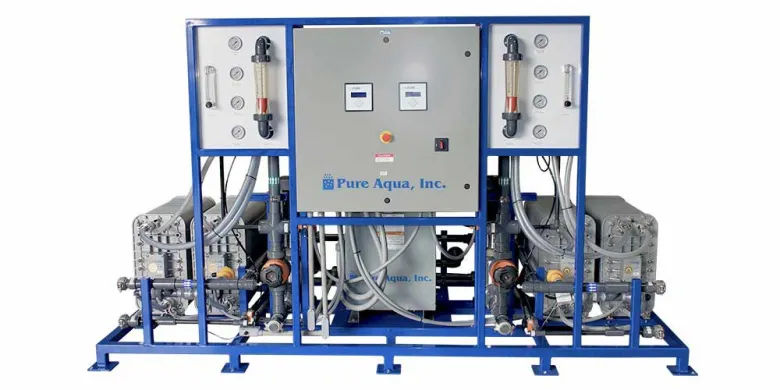
Unlocking the Secrets of EDI Water Systems: A Simple Guide!
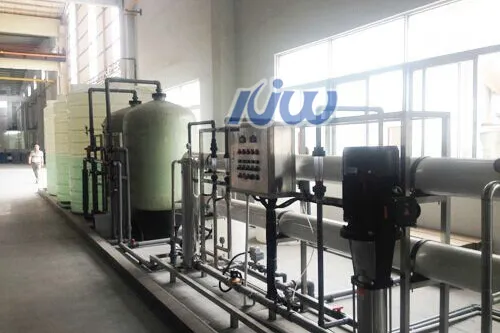
Are you feeling overwhelmed by the complexities of EDI water systems? You’re not alone! Many people find themselves puzzled by how these systems work and what they truly need. Let’s break it down together in a simple and straightforward way.
First, let’s address the common pain points. Many users struggle with understanding the technical jargon and the installation processes. It can feel like trying to decipher a foreign language, right? Plus, the fear of making a costly mistake adds to the stress.
Now, let’s simplify things. Here are the key steps to get you started with EDI water systems:
Understand the Basics: EDI stands for Electrodeionization. It's a process that purifies water by removing ions. Think of it as a high-tech water filter that uses electricity to enhance the purification process.
Identify Your Needs: Before diving in, ask yourself what you need the EDI system for. Are you using it for industrial applications, laboratory work, or something else? Knowing your requirements will guide your decision.
Choose the Right System: There are various EDI systems available, each designed for specific applications. Research and compare options based on your needs, capacity, and budget.
Installation: This is where many people feel stuck. If you’re not familiar with plumbing or electrical systems, consider hiring a professional. A proper installation ensures optimal performance and longevity of your system.
Regular Maintenance: Once your system is up and running, don’t forget about maintenance. Regular checks and cleaning will keep your EDI system functioning efficiently.
Seek Support: If you encounter issues, don’t hesitate to reach out for help. Most manufacturers offer customer support to assist you with troubleshooting and maintenance.
In conclusion, understanding EDI water systems doesn’t have to be a daunting task. By breaking it down into manageable steps, you can navigate the process more easily. Remember, the key is to know your needs, choose the right system, and maintain it properly. With a little effort, you’ll be on your way to enjoying the benefits of pure, high-quality water in no time!
EDI Water Systems Explained: What You Need to Know!
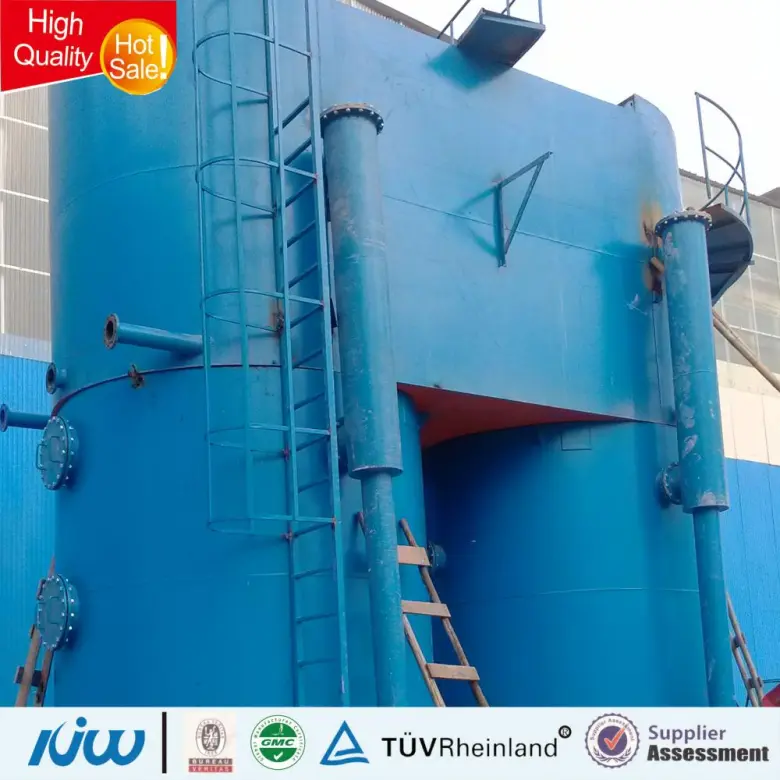
When it comes to understanding EDI water systems, I often find myself thinking about the common frustrations many of us face. Have you ever struggled with water quality issues in your home or business? If so, you’re not alone. Many people grapple with the same concerns, and that's where EDI systems come into play.
So, what exactly are EDI water systems? EDI stands for Electrodeionization, a technology that combines ion exchange and electrochemical processes to produce high-purity water. It’s particularly useful for industries that require ultra-pure water, such as pharmaceuticals, electronics, and power generation. But why should you care? Because the quality of water can significantly impact your operations and product quality.
Let’s break this down. First, consider the benefits of using an EDI system:
Consistent Water Quality: EDI systems provide a reliable source of high-purity water, which can help eliminate the variability often seen with traditional water purification methods.
Reduced Chemical Use: Unlike conventional systems that rely heavily on chemicals for regeneration, EDI minimizes chemical usage, making it a more environmentally friendly option.
Lower Operating Costs: While the initial investment might seem high, the long-term savings from reduced maintenance and chemical costs can be substantial.
Now, if you’re thinking about implementing an EDI system, here are a few steps to guide you:
Assess Your Needs: Determine the specific purity requirements for your application. This will help you choose the right system.
Choose the Right System: There are various EDI systems available, each designed for different capacities and applications. Research and select one that fits your needs.
Installation and Maintenance: Work with a reputable provider for installation. Regular maintenance is crucial to ensure the system operates efficiently.
Monitor Water Quality: Implement a monitoring system to regularly check the purity of the water produced. This will help you catch any issues early on.
In summary, understanding and utilizing EDI water systems can make a significant difference in your water quality and operational efficiency. By addressing your water needs with this advanced technology, you can enhance your processes and ensure that you’re using the best possible water for your applications.
If you're still unsure, consider reaching out to experts in the field who can provide tailored advice based on your specific situation. Remember, investing in quality water systems today can lead to substantial benefits down the line.
How EDI Water Systems Operate: Let’s Simplify It!
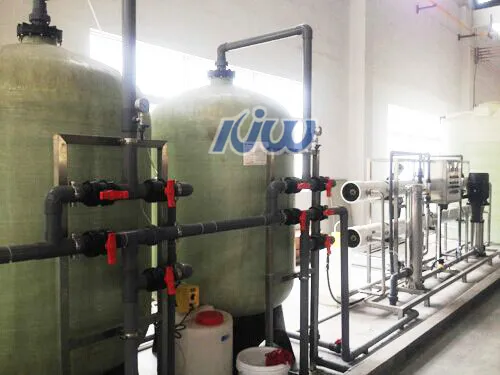
When it comes to understanding how EDI water systems operate, many of us can feel a bit overwhelmed. I remember the first time I heard about them; my eyes glazed over as technical jargon flew around the room. What is EDI, and why should I care? Let’s break it down into bite-sized pieces.
The Pain Point: Confusion Around EDI Systems
You might be wondering why your business needs to consider EDI water systems. Perhaps you’re dealing with water quality issues, or maybe you’re just trying to comply with environmental regulations. Whatever the reason, the complexity of EDI systems can be daunting. The good news is that once you grasp the basics, everything becomes clearer.
What is EDI?
EDI stands for Electrodeionization. It’s a process that combines ion exchange and electrolysis to purify water. Imagine it as a high-tech water filter that doesn’t just remove impurities but also regenerates itself. This means less downtime and lower operational costs for your business.
How Does It Work?
Water Inlet: The process begins with raw water entering the EDI system. This water often contains various dissolved salts and impurities.
Ion Exchange: Inside the system, ion exchange resins remove unwanted ions from the water. Think of it as a sponge soaking up dirt.
Electrolysis: Here’s where the magic happens. An electric current is applied, which helps to regenerate the ion exchange resins. This step is crucial because it allows the system to maintain high performance without the need for chemical regeneration.
Pure Water Out: Finally, the purified water exits the system, ready for use in your applications. Whether it’s for manufacturing, laboratory work, or even drinking, you can trust that the water is clean.
Why Choose EDI?
You might be asking, “What’s in it for me?” Here are a few benefits:
Cost-Effective: EDI systems often have lower operational costs compared to traditional methods, thanks to their self-regenerating capabilities.
Environmentally Friendly: They reduce the need for chemicals, making them a greener choice for water purification.
Quality Assurance: The consistent output of high-quality water can enhance your product quality and compliance with regulations.
In Summary
Understanding how EDI water systems operate doesn’t have to be a headache. By breaking down the process into simple steps, I hope you feel more equipped to consider this technology for your business. Whether you’re looking to improve water quality or meet regulatory standards, EDI systems could be the solution you’ve been searching for. So, the next time someone mentions EDI, you can nod along with confidence!
Demystifying EDI Water Systems: Easy Insights for Everyone!
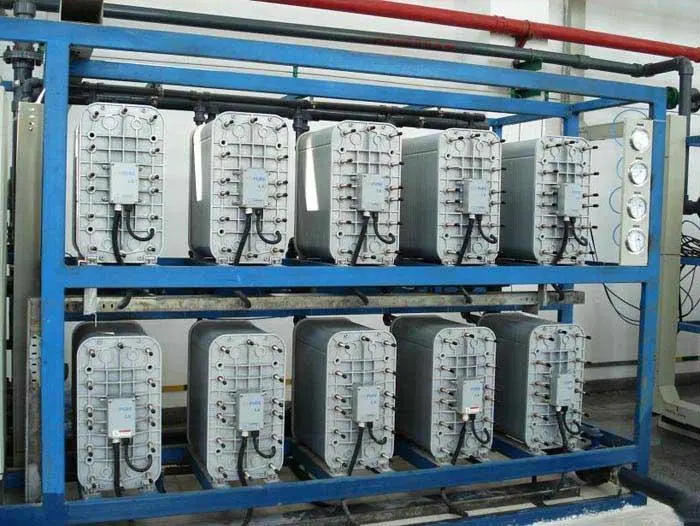
When it comes to EDI water systems, many people feel overwhelmed. I get it—there’s a lot of jargon floating around, and it can seem like a complex puzzle. But fear not! I’m here to break it down into bite-sized pieces that are easy to digest.
Let’s start with the basics. EDI stands for Electrodeionization. It’s a technology used to purify water, particularly in industries where high-quality water is essential. Now, you might be wondering, “Why should I care?” Well, if you’re in a field like pharmaceuticals, electronics, or even food and beverage, the quality of your water can directly impact your product. Poor water quality can lead to costly mistakes and unhappy customers.
So, what are the steps to understanding EDI water systems? Here’s a simple breakdown:
Understand the Components: EDI systems typically consist of a feed water source, an EDI module, and a power supply. The feed water is treated to remove impurities, and then it goes through the EDI module where ion exchange occurs.
Know the Process: In an EDI system, water flows through a series of membranes and electrodes. As water passes through, ions are removed, resulting in purified water. This process is continuous, meaning you get a steady supply of high-quality water.
Maintenance Matters: Like any system, EDI requires regular maintenance. This includes monitoring water quality and ensuring that the system is functioning optimally. Ignoring maintenance can lead to issues down the line.
Consider the Benefits: EDI systems are efficient and environmentally friendly. They reduce the need for chemical regeneration, which is a plus for both your budget and the planet.
Now that we’ve unpacked the essentials, let’s summarize. EDI water systems may seem daunting at first, but by understanding the components, the process, and the importance of maintenance, you can navigate this technology with confidence.
In real-world terms, think of EDI as your water purification superhero. It swoops in to save the day, ensuring that the water you use is top-notch. So, whether you’re a seasoned pro or just starting out, embracing EDI technology can lead to better products and happier customers.
Now, go forth and conquer the world of EDI water systems! You’ve got this.
EDI Water Systems 101: Understanding the Basics!
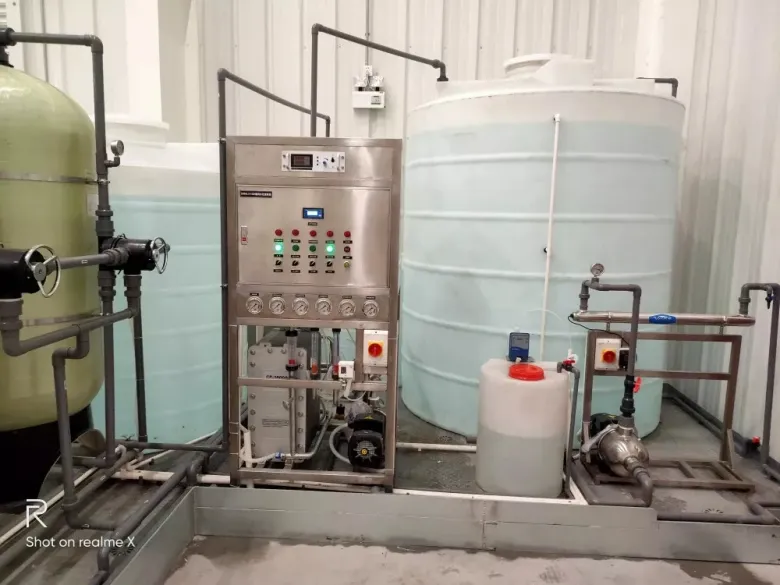
Understanding EDI Water Systems can feel like trying to decipher a foreign language. I remember the first time I encountered it; I was overwhelmed by technical jargon and complex diagrams. If you’re anything like me, you might be wondering: What are EDI Water Systems, and why should I care?
Let’s break it down. EDI stands for Electrodeionization, a process that combines ion exchange and electrochemical processes to purify water. This technology is essential for industries that require ultra-pure water, such as pharmaceuticals, electronics, and power generation. The demand for such high-quality water is growing, and understanding EDI can help you meet those needs efficiently.
So, what are the key components of EDI Water Systems?
Ion Exchange Resins: These are the heart of the EDI system. They remove ions from water, replacing them with hydrogen and hydroxyl ions. This step is crucial for achieving high purity levels.
Electrodes: The system uses electrodes to create an electric field. This field drives the movement of ions towards the appropriate electrodes, facilitating the purification process.
Membranes: Selective membranes allow only certain ions to pass through, enhancing the overall efficiency of the system.
Now, let’s address some common pain points associated with EDI systems:
High Maintenance Costs: Many people worry about the ongoing costs of maintaining an EDI system. Regular monitoring and maintenance are essential, but the initial investment pays off in the long run due to reduced chemical usage and waste.
Complexity of Operation: It can be daunting to operate an EDI system, especially for those new to the technology. However, with proper training and support, many users find that the systems are intuitive and manageable.
Quality Assurance: Ensuring the water quality meets industry standards is crucial. Regular testing and validation protocols can help you stay compliant and avoid costly penalties.
To effectively implement an EDI Water System, consider these steps:
Assess Your Needs: Determine the quality of water required for your specific application. This will guide your system specifications.
Choose the Right System: Not all EDI systems are created equal. Research and select a system that fits your requirements, considering factors like capacity and efficiency.
Training and Support: Invest in training for your team. Understanding how to operate and maintain the system is key to maximizing its benefits.
Regular Monitoring: Set up a routine for monitoring system performance. This proactive approach can help you catch issues before they escalate.
In summary, EDI Water Systems play a crucial role in producing ultra-pure water for various industries. By understanding the basics and addressing common concerns, you can make informed decisions that benefit your operations. Remember, the journey to mastering EDI doesn’t have to be overwhelming; with the right approach, it can be an enlightening experience.
The A-Z of EDI Water Systems: Get Informed Fast!
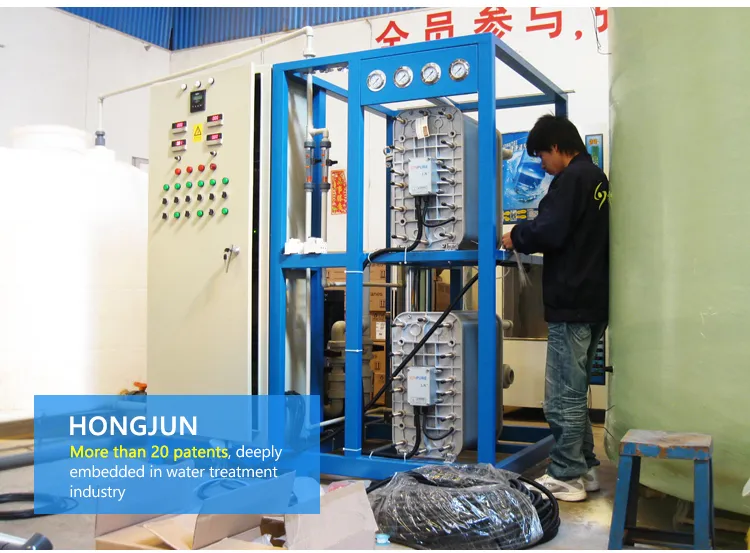
When it comes to EDI water systems, many of us feel overwhelmed. I remember my first encounter with this technology; I was bombarded with jargon and complex concepts that made my head spin. If you’re like me, you probably just want clear, straightforward information. Let’s break it down together.
Understanding EDI Water Systems
EDI, or Electrodeionization, is a process that purifies water by removing ions and contaminants. This technology is crucial for industries that require high-purity water, such as pharmaceuticals and electronics. The pain point here? Finding reliable information without getting lost in technical details.
Why You Need EDI Water Systems
If you’re in a business that relies on pure water, you know the struggle of maintaining quality. Traditional methods can be costly and inefficient. EDI systems offer a solution by providing continuous, high-quality water without the need for chemicals. Imagine reducing your operational costs while ensuring your product meets the highest standards. That’s a win-win!
Steps to Implement EDI Water Systems
Assess Your Needs: Start by evaluating your current water quality and usage. What are your specific requirements? Understanding this will guide your next steps.
Research Options: Not all EDI systems are created equal. Look for systems that fit your needs and budget. Reading reviews and case studies can provide insights into what works best.
Consult Experts: Don’t hesitate to reach out to professionals. They can help you navigate the options and find a system that suits your operation.
Plan for Installation: Once you’ve chosen a system, plan the installation process. This might involve downtime, so prepare your team accordingly.
Monitor and Adjust: After installation, keep an eye on the system’s performance. Regular monitoring ensures you’re getting the best results and can help you make adjustments as needed.
Final Thoughts
Navigating the world of EDI water systems doesn’t have to be daunting. By breaking it down into manageable steps, you can make informed decisions that benefit your business. Remember, the goal is to find a solution that meets your needs without unnecessary complications. With the right approach, you’ll be well on your way to enjoying the advantages of high-purity water systems.
Contact us today to learn more Candie Liang: hongjun@hjwater.cn/WhatsApp ++8618823149433.
References
Candie Liang 2023 Unlocking the Secrets of EDI Water Systems: A Simple Guide
Candie Liang 2023 EDI Water Systems Explained: What You Need to Know
Candie Liang 2023 How EDI Water Systems Operate: Let’s Simplify It
Candie Liang 2023 Demystifying EDI Water Systems: Easy Insights for Everyone
Candie Liang 2023 EDI Water Systems 101: Understanding the Basics
Candie Liang 2023 The A-Z of EDI Water Systems: Get Informed Fast
