Electrodeionization (EDI) is revolutionizing the water treatment landscape with its innovative approach to purifying water. This cutting-edge technology combines electrodialysis and ion exchange processes to effectively deionize water without the need for harmful chemical treatments. EDI utilizes electrical current and specialized membranes to remove dissolved ions and impurities, achieving impressive purity levels with conductivity below 0.1 μS/cm. Ideal for use as a polishing step after reverse osmosis (RO), EDI is particularly advantageous in laboratory environments where ultrapure water is critical for experiments. One of the standout features of EDI systems is their ability to continuously regenerate ion exchange resins, allowing for extended operation without the need for replacement, which in turn ensures consistent water quality and significantly reduces maintenance requirements. Unlike traditional ion exchange methods, EDI eliminates the need for hazardous chemical regeneration, minimizes waste, and operates at lower overall costs. While initial purchase costs and concerns about system longevity may pose challenges to wider adoption, the benefits of EDI are undeniable. This technology not only represents a significant advancement in the water treatment industry but also aligns with green technology initiatives, offering reliable and environmentally friendly water purification solutions for a sustainable future.
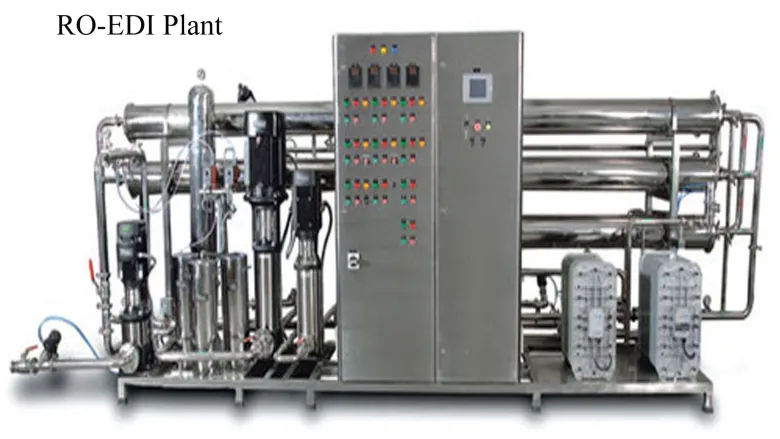
Why Go for EDI Water Systems? Here’s the Scoop!
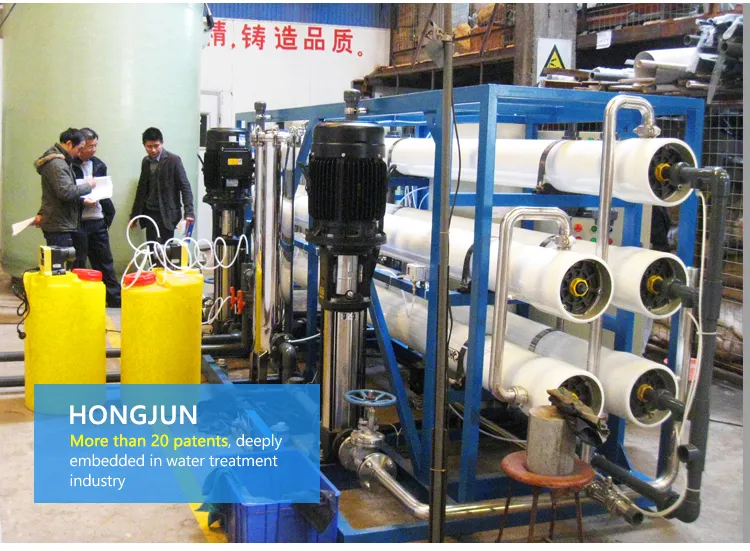
When it comes to water purification, many of us might find ourselves overwhelmed by the choices out there. I remember standing in a store, staring at shelves lined with various systems, wondering which one would actually deliver clean, safe water. The confusion was real, and I bet many of you have felt the same way.
So, why consider EDI (Electrodeionization) water systems? Let’s break it down.
First, let’s talk about quality. EDI systems are designed to produce ultra-pure water. This means they remove nearly all contaminants, including ions, which is essential for applications like pharmaceuticals or electronics manufacturing. If you’ve ever dealt with the frustration of poor-quality water affecting your work or health, you understand how crucial this is.
Next, efficiency is key. EDI systems are not just effective; they’re also energy-efficient. Unlike traditional methods, they use electricity to remove impurities, which can lead to lower operational costs over time. Imagine saving money while ensuring you have the best water quality! It’s a win-win.
Now, let’s address the maintenance aspect. Many water purification systems require regular upkeep, which can be a hassle. EDI systems, on the other hand, are relatively low-maintenance. This means less time worrying about your water system and more time enjoying the benefits of clean water.
Another point worth mentioning is the environmental impact. EDI systems typically produce less waste compared to other purification methods. If you’re someone who cares about sustainability, choosing an EDI system can align with your values.
Finally, let’s consider the ease of use. Many EDI systems are designed with user-friendliness in mind. They often come with intuitive controls and monitoring systems that make it easy to keep track of water quality. I can’t tell you how many times I’ve struggled with complicated systems, so this is a huge plus!
In summary, EDI water systems offer a range of benefits: superior water quality, energy efficiency, low maintenance, environmental friendliness, and user-friendliness. If you’re in the market for a water purification solution, EDI systems are definitely worth considering. They might just be the answer you’ve been looking for!
Unlock the Benefits of Electrodeionization for Pure Water
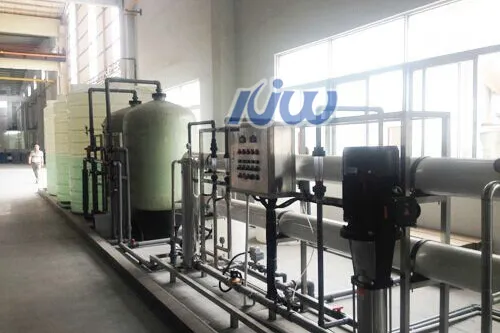
In today's world, having access to pure water is more than just a luxury; it's a necessity. But let’s face it, the process of obtaining that purity can often feel like a daunting task. As someone who has navigated the murky waters of water purification, I understand the frustration of dealing with complex systems and expensive solutions. That’s where electrodeionization (EDI) comes into play, and trust me, it’s a game changer.
Imagine this: you’re trying to produce high-quality water for your home or business. You’ve tried traditional methods, but the costs are piling up and the results are inconsistent. You’re caught in a cycle of frustration. The good news? EDI offers a streamlined solution that can help you overcome these challenges.
So, what are the benefits of incorporating electrodeionization into your water purification process? Let’s break it down step by step:
Cost-Effectiveness: EDI systems can significantly reduce operational costs. Unlike traditional ion exchange methods, they require less frequent regeneration, which means lower chemical costs and less waste.
Simplicity: The EDI process combines ion exchange and electrochemical processes, resulting in a system that is easier to operate and maintain. You won’t need to juggle multiple processes or spend hours on maintenance.
Consistent Water Quality: With EDI, you can achieve a stable and high-quality output. The technology effectively removes ions and impurities, ensuring that the water you receive meets your standards every time.
Environmentally Friendly: EDI systems generate less waste compared to traditional methods. By reducing the need for harsh chemicals and minimizing water waste, you're making a choice that benefits both your pocket and the planet.
Space-Saving Design: Many EDI units are compact, making them ideal for facilities with limited space. You won’t need to dedicate an entire room to your water purification system.
Now that we’ve highlighted the key benefits, you might be wondering how to get started with EDI. Here’s a straightforward approach:
Assess Your Needs: Determine the quality of water you require and the volume you need to produce. This will help you choose the right EDI system for your application.
Research Options: Look for reputable manufacturers and compare their products. Pay attention to reviews and case studies to see how their systems have performed in real-world scenarios.
Consult Experts: Don’t hesitate to reach out to professionals who specialize in water treatment. They can provide valuable insights and help you make an informed decision.
Implement and Monitor: Once you’ve chosen a system, implement it and keep an eye on its performance. Regular monitoring will ensure that you maintain optimal water quality.
In summary, electrodeionization can transform the way you approach water purification. By embracing this technology, you can enjoy the benefits of cost savings, simplicity, and consistent quality. If you’ve been struggling with traditional methods, it might just be time to dive into the world of EDI. You’ll wonder why you didn’t make the switch sooner!
EDI Water Systems: The Smart Choice for Your Business
When it comes to running a business, water quality is often an overlooked aspect that can have significant impacts on operations. I’ve seen it firsthand: machines breaking down, products failing to meet standards, and customer complaints piling up. It’s frustrating, isn’t it? You invest in top-notch equipment and processes, yet the water you use could be the weak link in your chain.
This is where EDI Water Systems come into play. They provide a smart solution for businesses looking to enhance water quality and efficiency. Let’s break down how EDI systems can address these common pain points.
Understanding Your Needs
First, it’s essential to identify the specific water quality issues your business faces. Are you dealing with hard water that clogs pipes? Or perhaps you need consistent purity for manufacturing processes? Knowing your unique requirements will guide you in selecting the right EDI system.
Choosing the Right System
Once you’ve pinpointed your needs, the next step is selecting an EDI system that fits. Look for systems that offer:
- Scalability: As your business grows, your water needs will change. Choose a system that can adapt to increasing demands.
- Efficiency: Opt for models that minimize waste and maximize output. This not only saves money but also reduces environmental impact.
- Ease of Use: A user-friendly interface can save you time and training costs.
Implementation Steps
After selecting the right system, it’s time to implement it. Here’s a straightforward approach:
- Site Assessment: Evaluate your current water setup to determine installation requirements.
- Installation: Work with professionals to ensure everything is set up correctly.
- Testing: Conduct thorough testing to confirm that the system meets your quality standards.
- Training: Ensure your team knows how to operate and maintain the system effectively.
Real-World Example
Take a look at a local beverage manufacturer I know. They struggled with inconsistent water quality, which affected their product taste. After installing an EDI system, they noticed an immediate improvement. Not only did their product quality soar, but they also reduced maintenance costs on their equipment.
In summary, investing in EDI Water Systems is a smart choice for businesses looking to improve their water quality and operational efficiency. By understanding your needs, choosing the right system, and following a structured implementation process, you can turn a potential weak link into a strong asset.
So, if you’re tired of dealing with water quality issues, consider making the switch to EDI systems. Your business—and your customers—will thank you!
Why EDI is a Game Changer for Water Purification
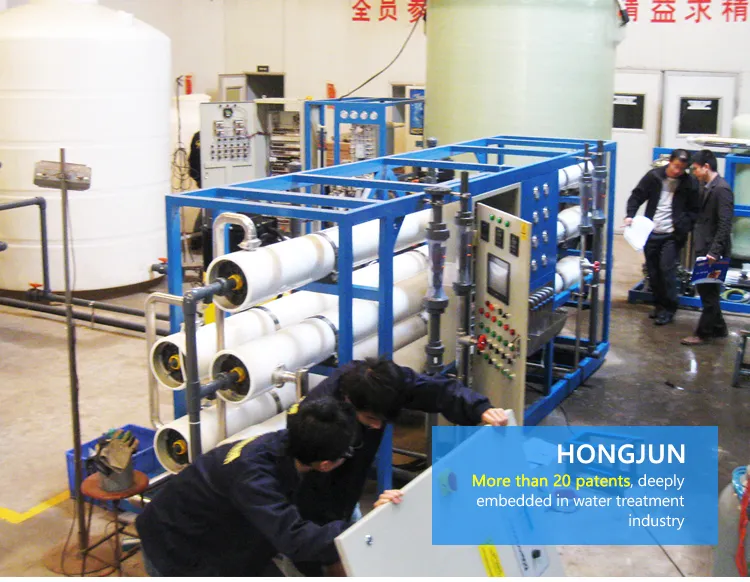
Water purification is a crucial concern for many of us. With increasing pollution and contaminants in our water supply, ensuring that we have access to clean, safe water has never been more important. I’ve often found myself frustrated by the inefficiencies of traditional water purification methods. They can be slow, costly, and sometimes not as effective as we’d hope. Enter EDI, or Electrical Deionization, which has emerged as a game changer in this field.
So, what makes EDI stand out? First, let’s talk about its efficiency. Traditional methods often require extensive time and resources to purify water, leaving us waiting and worrying. EDI, on the other hand, operates continuously, providing a steady stream of purified water. This means no more waiting around or stockpiling water for emergencies.
Next, consider the cost-effectiveness. Many traditional systems involve high maintenance costs and frequent replacements. EDI systems, however, are designed for durability and require less frequent upkeep. This not only saves money in the long run but also reduces the hassle of constant repairs or replacements.
Now, let’s address the effectiveness of EDI in removing contaminants. I’ve seen firsthand how traditional filters can struggle with certain pollutants. EDI excels in this area, effectively removing ions and other impurities that can compromise water quality. This gives me peace of mind knowing that the water I consume is truly clean.
To implement EDI in your water purification process, here are a few steps to consider:
Assess Your Needs: Determine the volume of water you need to purify and the specific contaminants you’re dealing with.
Choose the Right System: Research and select an EDI system that fits your requirements. Look for reputable brands and read reviews to ensure reliability.
Installation: Work with a professional to install the system correctly. Proper installation is key to maximizing the benefits of EDI.
Regular Monitoring: Even though EDI systems are low-maintenance, it’s essential to monitor performance regularly to ensure optimal function.
Educate Yourself: Stay informed about water quality and purification methods. Understanding what you’re consuming is crucial.
In conclusion, EDI represents a significant advancement in water purification technology. It addresses many of the pain points we face with traditional methods, offering efficiency, cost savings, and superior effectiveness. By making the switch to EDI, I’ve not only improved my access to clean water but also simplified my life. If you’re looking for a reliable solution to your water purification needs, EDI might just be the answer you’ve been searching for.
Discover the Power of Electrodeionization in Water Treatment
Water treatment can often feel like trying to solve a Rubik's Cube while blindfolded. You know there’s a solution, but the complexity can be overwhelming. I’ve been there, grappling with the challenges of ensuring clean, safe water. One method that has truly transformed my approach is electrodeionization (EDI).
Let’s break down the pain points first. Traditional water treatment methods often involve cumbersome processes, high costs, and significant chemical usage. This can lead to inefficiencies and environmental concerns. As someone who has navigated these waters, I understand the need for a more streamlined solution.
Now, let’s dive into how electrodeionization can address these challenges:
Efficiency: EDI combines ion exchange and electrochemical processes. This means less time spent on maintenance and more focus on what really matters—providing clean water.
Cost-Effective: While the initial investment might seem daunting, EDI systems reduce the need for chemical regenerants and lower operational costs over time. Think of it as investing in a high-quality coffee maker that saves you money on daily coffee runs.
Environmental Impact: With EDI, the reliance on harmful chemicals diminishes. This not only benefits the environment but also aligns with the increasing demand for sustainable practices in various industries.
Quality of Water: The end product is often purer than what traditional methods can achieve. I’ve seen firsthand how EDI can produce water that meets stringent quality standards, which is crucial for industries like pharmaceuticals and electronics.
To implement EDI in your water treatment process, consider the following steps:
- Assessment: Evaluate your current water treatment needs and identify areas where EDI can fit in.
- Consultation: Work with experts who can provide insights into the best EDI systems for your specific requirements.
- Installation: Ensure that the installation is handled by professionals to maximize efficiency.
- Monitoring: Regularly check the system’s performance to ensure it continues to meet your needs.
In summary, electrodeionization isn’t just a trend; it’s a powerful tool that can revolutionize the way we approach water treatment. By reducing costs, improving water quality, and minimizing environmental impact, EDI addresses the core issues many of us face in this industry. If you’re still on the fence about making the switch, just remember: sometimes, the simplest solutions are the most effective.
Elevate Your Water Quality with EDI Technology
Water quality is a concern that many of us face daily. Whether it's the taste of tap water, the presence of contaminants, or the need for pure drinking water, these issues can affect our health and well-being. I’ve been there, wondering if the water I’m drinking is truly safe. That’s where EDI technology comes into play, offering a solution that can elevate your water quality significantly.
So, what exactly is EDI technology? EDI stands for Electrodeionization. It’s a process that combines ion exchange and electrochemical processes to remove impurities from water. This means you can enjoy water that not only tastes better but is also free from harmful contaminants.
Let’s break it down into manageable steps:
Understanding Your Water Source: The first step is to analyze the quality of your current water source. You might want to get a water testing kit or consult local reports to identify any potential issues.
Choosing the Right EDI System: Once you know what’s in your water, it’s time to select an EDI system that fits your needs. Look for systems that are designed for residential use and can handle the specific contaminants you’re concerned about.
Installation: Installing an EDI system is usually straightforward. Many systems come with clear instructions, or you can hire a professional to ensure everything is set up correctly.
Regular Maintenance: To keep your water quality high, regular maintenance is key. This might include checking filters, cleaning the system, or replacing parts as needed.
Enjoying Better Water: Finally, once your EDI system is up and running, you can enjoy the peace of mind that comes with drinking high-quality water. Notice the difference in taste, clarity, and overall quality!
In my experience, making the switch to an EDI system has been a game-changer. I no longer worry about what’s in my water, and my family enjoys a refreshing drink every time. Elevating your water quality can be simpler than you think, and with the right technology, you can ensure that every sip is safe and delicious.
So, if you’re tired of second-guessing your water quality, consider EDI technology. It’s a practical solution that can make a significant difference in your daily life.
We welcome your inquiries: hongjun@hjwater.cn/WhatsApp ++8618823149433.
References
Author Unknown 2023 Why Go for EDI Water Systems Here’s the Scoop
Author Unknown 2023 Unlock the Benefits of Electrodeionization for Pure Water
Author Unknown 2023 EDI Water Systems The Smart Choice for Your Business
Author Unknown 2023 Why EDI is a Game Changer for Water Purification
Author Unknown 2023 Discover the Power of Electrodeionization in Water Treatment
Author Unknown 2023 Elevate Your Water Quality with EDI Technology
