Whistleblowers have exposed a troubling reality within UK water companies: these entities are knowingly flouting sewage treatment laws by failing to process the legally mandated amounts of sewage and manipulating wastewater systems to divert untreated sewage into rivers and seas. An investigation by the Guardian and Watershed Investigations has unveiled a systemic issue where treatment plants frequently fail to meet their environmental permit obligations, often without reporting these failures to the regulators. Techniques like "flow trimming" are utilized to limit the sewage flow to treatment facilities, enabling companies to falsely assert compliance. Insiders reveal that this practice is alarmingly widespread, with some treatment works diverting as much as 30% of sewage directly into the environment. The motivation behind this manipulation is primarily financial, as companies seek to reduce operational costs and gain regulatory performance rewards. While water companies may report satisfactory overall compliance, a closer examination reveals that many treatment facilities are not processing the sewage volumes they are required to handle. Regulatory bodies, including Ofwat and the Environment Agency, recognize the unacceptable frequency of sewage spills and are investigating potential widespread non-compliance. In light of these revelations, there are increasing calls for stricter oversight and accountability to ensure the protection of the environment.
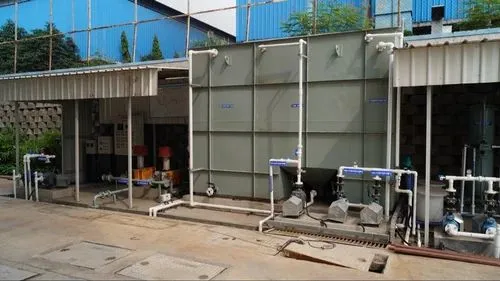
Is Your Wastewater Treatment Plant Sabotaging Your Success?
Are you feeling the pressure of managing a wastewater treatment plant that seems to be working against your success? You’re not alone. Many plant operators face challenges that can hinder their productivity and efficiency. Let’s dive into some common pain points and explore practical solutions to turn things around.
First, let's talk about the inefficiencies in your current processes. I remember when I first took over a plant that was plagued by outdated equipment and slow response times. It felt like trying to run a marathon in flip-flops. The good news? Upgrading your technology can make a world of difference. Consider investing in modern monitoring systems that provide real-time data. This way, you can catch issues before they escalate, saving time and resources.
Next up is staff training. I once worked with a team that was incredibly skilled, but they were using outdated methods. After implementing regular training sessions, I noticed a significant improvement in both morale and efficiency. Knowledge is power, and keeping your team informed about the latest practices can lead to smoother operations and a safer work environment.
Another common issue is compliance with regulations. It can feel overwhelming, but staying informed is key. I found that creating a checklist of compliance requirements and regularly reviewing it with the team helped keep everyone on track. Plus, it reduces the risk of costly fines and shutdowns.
Finally, let’s address the importance of community relations. I learned firsthand that a good relationship with the local community can be a game-changer. Hosting open houses or educational workshops can foster goodwill and transparency. This not only enhances your plant's reputation but also builds trust with the community you serve.
In summary, managing a wastewater treatment plant doesn’t have to be a daunting task. By upgrading equipment, investing in staff training, staying compliant, and engaging with the community, you can transform your plant into a success story. Remember, the journey may have its bumps, but with the right strategies, you can navigate through them and come out on top.
The Hidden Dangers of Your Wastewater System
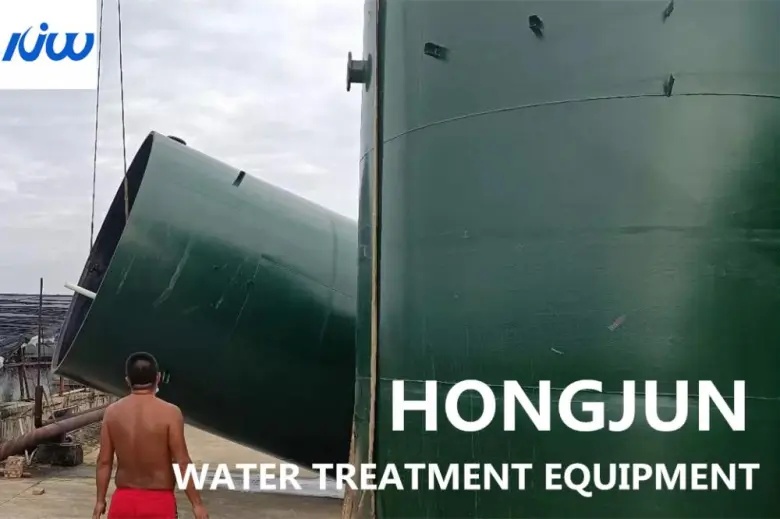
When I first moved into my new home, I was excited about everything—except for one thing: the wastewater system. Honestly, I never really thought about it until I started noticing some strange smells and odd noises. That's when I realized that there might be hidden dangers lurking beneath the surface.
The Issue at Hand
You might think, "What’s the big deal? It’s just wastewater." But let me tell you, neglecting your wastewater system can lead to some serious problems. Clogs, leaks, and even backups can disrupt your daily life, not to mention the potential health risks. It’s not just about inconvenience; it’s about safety and hygiene.
Identifying the Risks
Clogs: Over time, grease, hair, and other debris can build up in your pipes. I learned this the hard way when my sink started draining slower than molasses. Regular maintenance can help prevent this.
Leaks: A small leak can quickly turn into a big problem. I once had a minor leak that went unnoticed for weeks, leading to water damage. Keeping an eye on your pipes can save you from costly repairs.
Backups: Imagine getting ready for work, only to find your toilet overflowing. That’s a nightmare I wouldn’t wish on anyone. Installing a backflow prevention device can help keep your system running smoothly.
Steps to Take
Regular Inspections: Schedule a yearly inspection of your wastewater system. It’s worth the investment to catch problems before they escalate.
Mind What You Flush: Be mindful of what goes down the drain. Avoid flushing anything but toilet paper to minimize clogs.
Know Your System: Familiarize yourself with the layout of your wastewater system. Understanding how it works can help you troubleshoot issues more effectively.
Final Thoughts
Taking care of your wastewater system might not be glamorous, but it’s essential. By staying proactive and informed, you can avoid many of the pitfalls I faced. Remember, a little maintenance goes a long way in ensuring a safe and pleasant home environment.
So, the next time you hear a strange noise or smell something off, don’t ignore it. Your wastewater system deserves a little love and attention!
Are You Ignoring These Wastewater Warning Signs?
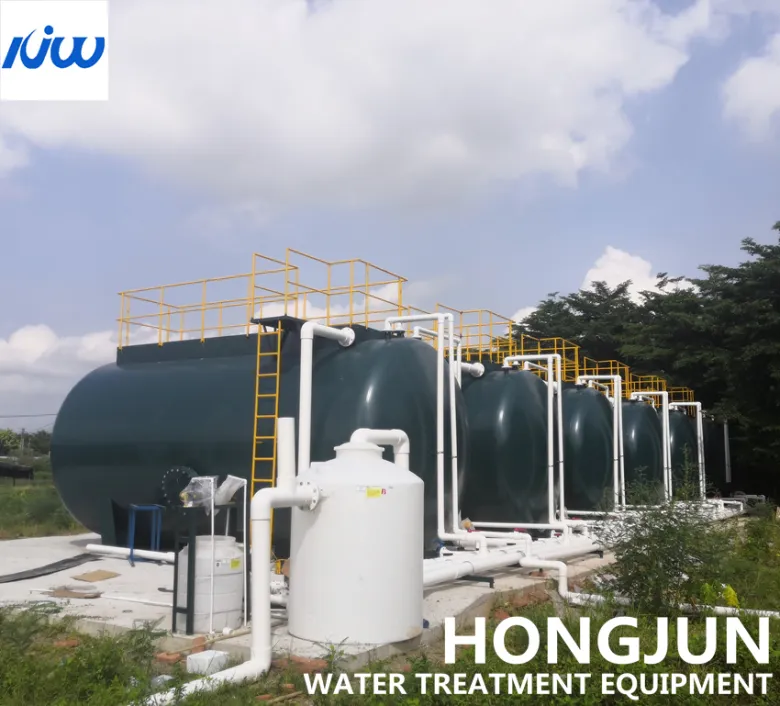
Have you ever noticed a strange smell in your home or a sudden increase in your water bill? These could be signs that your wastewater system is trying to tell you something important. Ignoring these warning signs can lead to bigger problems down the line, and trust me, you don’t want to be dealing with a flooded basement or a costly repair bill.
Let’s break down some common wastewater warning signs and what you can do about them.
1. Unpleasant Odors
If you catch a whiff of something foul, it’s time to pay attention. A bad smell can indicate a blockage or a leak in your wastewater system. I once ignored a persistent odor in my kitchen, thinking it was just leftover food. Turns out, it was a sign of a clogged drain. I had to call a plumber, and let me tell you, that was not a fun experience.
Solution: Check for any visible leaks or blockages. If the smell persists, consider calling a professional to inspect your system.
2. Slow Drains
Are your sinks draining slower than usual? This is another red flag. Slow drains can mean that there’s a buildup of waste or debris in your pipes. I remember when my bathroom sink took ages to drain. I tried using a plunger, but that only made things worse.
Solution: Try using a drain cleaner or a mixture of baking soda and vinegar to clear minor clogs. If that doesn’t work, it might be time to call in the experts.
3. Water Bill Spike
A sudden increase in your water bill can be alarming. It might mean that there’s a leak somewhere in your system. I once had a month where my bill was twice as high as normal. After some investigation, I discovered a small leak in my toilet.
Solution: Regularly check your water meter and inspect your plumbing for leaks. Catching these issues early can save you a lot of money.
4. Gurgling Sounds
If your toilet or drains are making strange gurgling noises, that’s not just a quirky feature of your home. It can indicate that air is trapped in your pipes, often due to a blockage. I remember hearing those gurgles and ignoring them, only to find out later that my main sewer line was partially clogged.
Solution: If you hear gurgling, it’s best to investigate further. You might need to clear a blockage or check for venting issues.
Conclusion
Being proactive about your wastewater system can save you from headaches and hefty repair bills. Keep an eye out for these warning signs, and don’t hesitate to take action. Trust me, addressing these issues early on is much easier than dealing with the aftermath of a plumbing disaster. Your home will thank you!
Uncovering the Secrets of Your Wastewater Treatment Plant
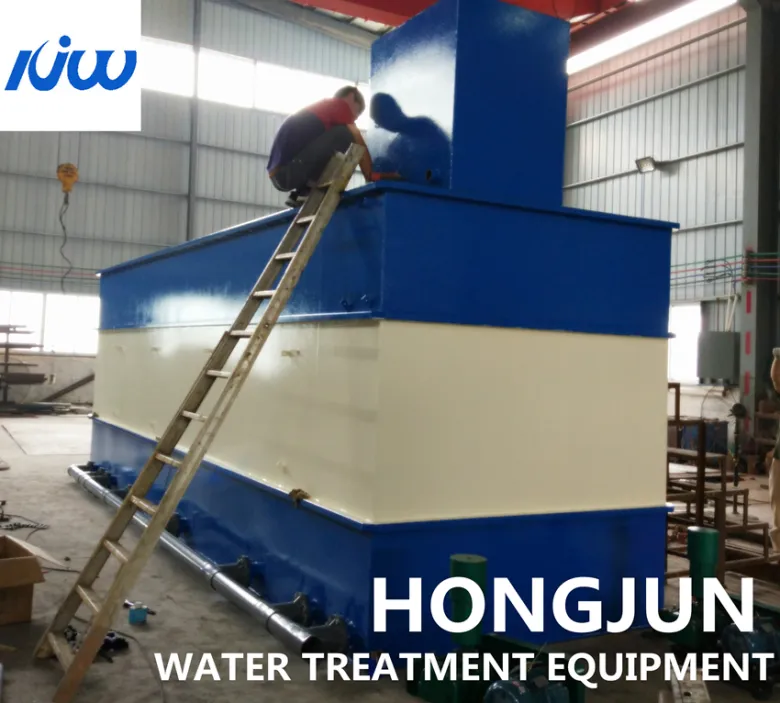
When it comes to wastewater treatment plants, many of us might feel like we’re navigating a maze. I remember my first encounter with one—confusing signs, complex machinery, and a lot of technical jargon that made my head spin. If you’re like me, you probably have questions. What exactly happens to the water? How can I ensure the plant operates efficiently?
Let’s break it down.
Understanding the Basics
First, it’s essential to grasp what a wastewater treatment plant does. Simply put, it’s a facility designed to remove contaminants from water before it’s released back into the environment. This process is crucial for protecting our water sources and ensuring public health.
Identifying Common Pain Points
Now, let’s talk about the common issues that arise. Many plant operators face challenges like:
- Inefficient treatment processes
- Equipment malfunctions
- Regulatory compliance concerns
Each of these issues can lead to increased costs and environmental risks.
Steps to Improve Efficiency
Regular Maintenance: Just like your car needs a tune-up, wastewater treatment plants require regular checks. Schedule routine inspections to catch problems early.
Staff Training: Ensure your team is well-trained. Knowledgeable staff can spot issues before they escalate and operate machinery effectively.
Upgrade Technology: Investing in modern technology can significantly enhance efficiency. Look for systems that offer real-time monitoring and data analytics.
Community Engagement: Involve the community in understanding the importance of wastewater treatment. Educated citizens are more likely to support your efforts and comply with regulations.
Real-World Example
Take the case of a small town that revamped its wastewater treatment plant. By implementing regular maintenance schedules and investing in staff training, they reduced operational costs by 20%. Not only did they save money, but they also improved water quality, which was a win-win for everyone involved.
Final Thoughts
Navigating the ins and outs of a wastewater treatment plant doesn’t have to be overwhelming. By understanding the basics, identifying pain points, and taking actionable steps, you can ensure your plant runs smoothly. Remember, it’s all about being proactive rather than reactive. With a little effort, you can turn your wastewater treatment plant into a model of efficiency and effectiveness.
Is Your Wastewater Plant a Silent Partner or a Saboteur?
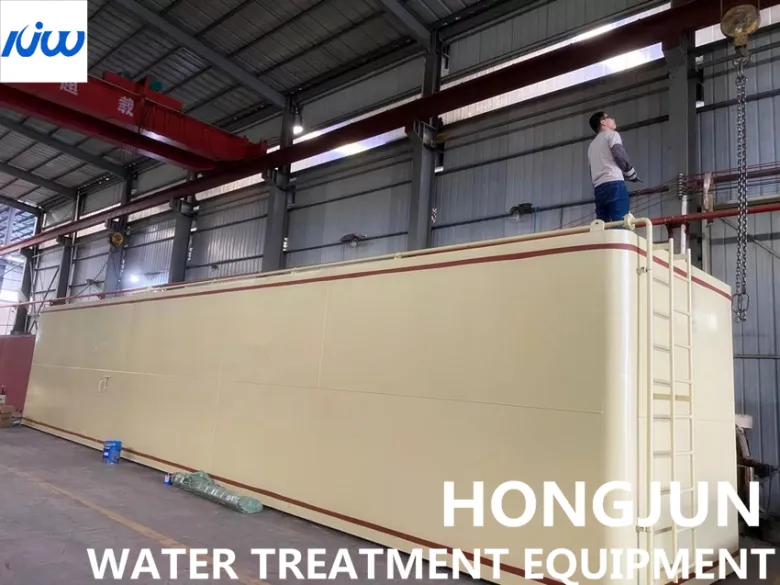
Is your wastewater plant working for you or against you? This question might seem trivial, but the truth is, many of us overlook the potential pitfalls lurking in our wastewater management systems. As someone who has navigated the murky waters of wastewater operations, I can tell you that a poorly functioning plant can turn into a silent saboteur, wreaking havoc on your budget and compliance.
Identifying the Pain Points
First, let’s talk about the signs that your plant might not be the partner you thought it was. Have you noticed:
- Increased operational costs?
- Frequent compliance violations?
- Unpleasant odors or visible issues in the surrounding area?
These are all red flags that your wastewater plant might be causing more problems than it solves. I’ve been there, and it’s frustrating when you realize that what should be a reliable asset is instead draining your resources.
Solutions to Turn the Tide
So, what can you do to ensure your wastewater plant is a true partner? Here’s a straightforward approach:
Conduct a Thorough Assessment: Start by evaluating your current operations. Look at your maintenance logs, energy consumption, and treatment efficiency. This will give you a clear picture of where things stand.
Engage with Your Team: Your operators are on the front lines and can provide invaluable insights. Regular meetings can help identify recurring issues and brainstorm solutions.
Invest in Upgrades: Sometimes, the solution is as simple as upgrading outdated equipment. Whether it’s more efficient pumps or advanced treatment technologies, investing in the right tools can lead to significant long-term savings.
Implement Regular Training: Ensure that your team is well-trained in the latest practices and technologies. A knowledgeable staff can spot issues early and take proactive measures, preventing small problems from snowballing into major headaches.
Monitor and Adjust: After implementing changes, keep a close eye on your operations. Use data analytics to track performance and make adjustments as needed.
Final Thoughts
In my experience, transforming your wastewater plant from a potential saboteur to a reliable partner is entirely achievable. It requires diligence, investment, and a willingness to adapt. Don’t let your plant work against you—take charge and turn it into the ally it should be. Remember, a well-run wastewater plant not only protects the environment but also saves you money in the long run.
How to Ensure Your Wastewater Treatment Plant is Working for You
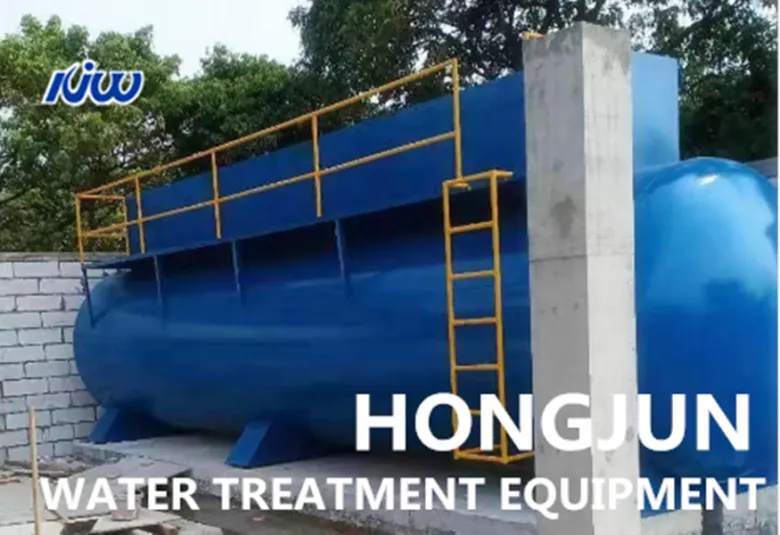
When I first stepped into the world of wastewater treatment, I quickly realized it wasn't just about pipes and tanks. It was about ensuring that everything works seamlessly to protect our environment and our communities. However, many operators face common pain points: inefficiencies, unexpected costs, and regulatory pressures. So, how do we ensure that our wastewater treatment plant is truly working for us?
Let’s dive into some straightforward steps that can help you optimize your plant's performance.
1. Conduct Regular Assessments
I learned the hard way that neglecting regular assessments can lead to bigger problems down the line. Schedule routine inspections to evaluate equipment performance and identify any potential issues before they escalate. This proactive approach saves time and money, and it keeps operations running smoothly.
2. Invest in Training
I can't stress enough how crucial it is to invest in training for your staff. A well-trained team can spot inefficiencies and troubleshoot problems quickly. Consider workshops or online courses that focus on the latest technologies and best practices in wastewater management. Knowledge is power, and in this case, it’s also a money-saver.
3. Embrace Technology
In my experience, incorporating technology can significantly enhance plant operations. From automation systems that monitor flow rates to data analytics tools that track performance metrics, technology can provide insights that manual processes may overlook. By leveraging these tools, you can make informed decisions that boost efficiency.
4. Optimize Chemical Usage
I used to underestimate the impact of chemical usage on operational costs. Regularly review your chemical dosing practices to ensure you’re using the right amounts. Too much can lead to unnecessary expenses, while too little can compromise treatment quality. Finding that sweet spot is essential for both effectiveness and cost management.
5. Foster Communication
Creating a culture of open communication among your team can lead to innovative solutions and improvements. Encourage staff to share their insights and observations. Often, those working directly with the equipment have valuable perspectives that can enhance operations.
6. Stay Updated on Regulations
Regulatory compliance is non-negotiable in wastewater treatment. I’ve learned that keeping abreast of changes in environmental regulations can prevent costly fines and operational disruptions. Subscribe to industry newsletters or join professional organizations to stay informed.
In summary, optimizing your wastewater treatment plant involves a combination of regular assessments, staff training, technology adoption, chemical management, effective communication, and regulatory awareness. By following these steps, you can ensure that your plant not only meets compliance standards but also operates efficiently and cost-effectively.
Remember, a well-functioning wastewater treatment plant is not just about processing waste; it's about safeguarding our future. So let’s roll up our sleeves and make it work for us!
Contact us on Candie Liang: hongjun@hjwater.cn/WhatsApp ++8618823149433.
References
Liang, C. 2023 Is Your Wastewater Treatment Plant Sabotaging Your Success
Liang, C. 2023 The Hidden Dangers of Your Wastewater System
Liang, C. 2023 Are You Ignoring These Wastewater Warning Signs
Liang, C. 2023 Uncovering the Secrets of Your Wastewater Treatment Plant
Liang, C. 2023 Is Your Wastewater Plant a Silent Partner or a Saboteur
Liang, C. 2023 How to Ensure Your Wastewater Treatment Plant is Working for You
