Ion exchange water filtration is a highly effective solution for tackling issues such as hard water, which can leave unsightly spots on dishes and stubborn stains in bathrooms, as well as harmful contaminants like nitrates and lead. This innovative technology operates by swapping undesirable ions in the water with safer alternatives through a resin bed, where problematic minerals like calcium and magnesium are replaced with less harmful ones. The system conveniently regenerates the resin using a brine or acid rinse, enabling it to address both aesthetic concerns and health-related water quality issues. Different types of resins are designed to target specific contaminants, making it crucial to select the right one based on your water needs. Specialty resins and natural minerals like zeolite can further enhance filtration capabilities, particularly for challenging pollutants such as heavy metals. Although ion exchange systems are notably effective, they may not eliminate all contaminants on their own and often perform best when used in conjunction with other filtration methods, such as carbon filters or reverse osmosis. The advantages include their proficiency in removing hard water minerals and nitrates, whole-house coverage, and self-cleaning features. However, potential downsides may involve the necessity for salt or chemical regenerants, possible water waste during the regeneration process, and higher initial costs compared to simpler filtration options. Understanding the regeneration process is essential for choosing the appropriate setup, and conducting water testing is recommended to identify the best filtration solution for your home.
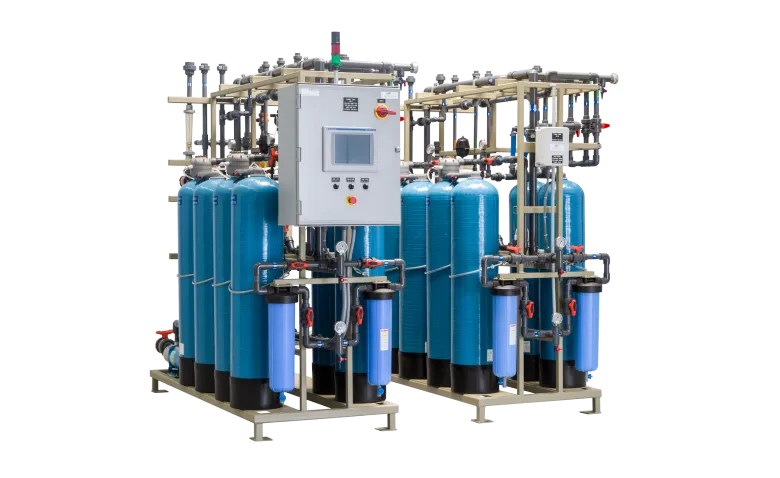
Unveiling the Secrets of Ion Exchange Devices
When it comes to water purification, I often find myself grappling with the question: how do I ensure that the water I drink is not just clean, but also safe? This is where ion exchange devices come into the picture, promising to tackle some of the most common water quality issues we face.
Many of us are familiar with the frustration of dealing with hard water, which can leave unsightly stains on fixtures and make soap less effective. It’s annoying, right? I’ve been there, and I know the struggle. The good news is that ion exchange devices can help alleviate these problems by removing unwanted minerals from our water supply.
So, how does it work? Let’s break it down into simple steps:
Understanding Ion Exchange: At its core, ion exchange is a process where undesirable ions in the water are swapped with more desirable ones. For instance, calcium and magnesium ions, which contribute to hardness, are replaced with sodium ions. This not only softens the water but also enhances its taste.
Choosing the Right Device: With so many options available, selecting the right ion exchange device can be overwhelming. I recommend doing a bit of research or consulting with a professional to find a unit that fits your specific needs, whether it’s for your home or a larger application.
Installation and Maintenance: Once you’ve chosen your device, proper installation is key. Many devices are user-friendly, but if you’re unsure, don’t hesitate to call in an expert. Regular maintenance is equally important. This includes checking resin levels and ensuring that the system is functioning optimally.
Monitoring Water Quality: After installation, keep an eye on your water quality. You can use simple test kits to check for hardness levels and other contaminants. This will help you gauge the effectiveness of your ion exchange device.
Enjoying the Benefits: Finally, once you’ve set everything up, enjoy the benefits! Softer water means less soap scum, cleaner dishes, and a more pleasant experience overall. Plus, knowing that your water is treated effectively gives peace of mind.
In summary, ion exchange devices offer a practical solution to common water quality issues. By understanding how they work and taking the right steps in choosing and maintaining one, you can significantly improve your water experience. Remember, it’s not just about drinking water; it’s about drinking safe, clean, and pleasant-tasting water. So, let’s raise a glass to that!
How Ion Exchange Technology Transforms Water Treatment
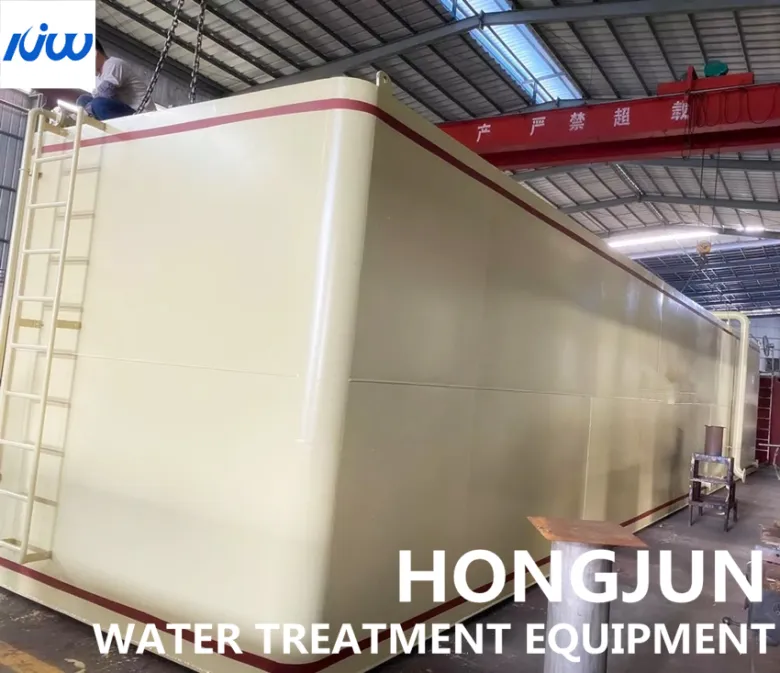
Water treatment can feel like a never-ending battle. I’ve been there—dealing with hard water stains, unexpected odors, and the nagging feeling that my drinking water isn’t as clean as it should be. If you’ve ever wondered how to tackle these issues without breaking the bank or your sanity, let’s dive into how ion exchange technology can revolutionize your water treatment experience.
First, let’s address the elephant in the room: hard water. It’s not just an annoyance; it can lead to scale buildup in pipes and appliances, which can be costly to repair. The good news? Ion exchange technology offers a practical solution. This method works by swapping out unwanted minerals, like calcium and magnesium, with sodium ions. The result? Softer water that not only feels better on your skin but also extends the lifespan of your plumbing.
Now, you might be thinking, “That sounds great, but how does it really work?” Allow me to break it down:
Water enters the system: Your water supply flows into the ion exchange unit.
Ion exchange process: Inside the unit, resin beads coated with sodium ions attract and hold onto the calcium and magnesium ions, effectively removing them from the water.
Regeneration: Over time, the resin beads become saturated with the unwanted minerals. At this point, a salt solution is used to recharge the beads, replacing the calcium and magnesium with sodium ions once again.
Clean, soft water flows out: The treated water is now ready for use, whether it’s for drinking, cooking, or bathing.
You might be wondering about the environmental impact. Ion exchange systems are efficient and can significantly reduce the need for bottled water, which is a win for both your wallet and the planet. Plus, maintaining a system is relatively simple—just keep an eye on the salt levels and perform periodic maintenance.
In conclusion, if you’re tired of dealing with the headaches of hard water, consider investing in an ion exchange system. It provides a straightforward solution to a common problem, giving you peace of mind and cleaner, softer water. The transformation from hard to soft water isn’t just a change in texture; it’s a step toward a more comfortable and sustainable lifestyle.
The Science Behind Ion Exchange: Simplified for You
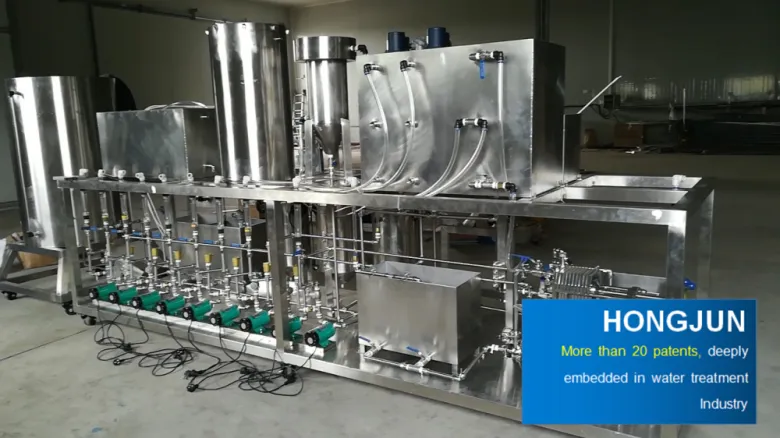
Ion exchange might sound like a complex scientific term, but I’m here to break it down for you in a way that makes sense. If you’ve ever wondered how water softeners work or how certain chemicals are filtered out of liquids, you’re in the right place. Let’s dive into the basics of ion exchange and see how it impacts our daily lives.
First off, what is ion exchange? In simple terms, it’s a process where ions are swapped between a solution and a solid. Imagine it like a game of musical chairs, but instead of people, we have charged particles moving around. This process is crucial in various applications, especially in water treatment.
Now, let’s talk about why this matters. Many of us deal with hard water, which can lead to scale buildup in pipes and appliances. This is where ion exchange comes in. Water softeners use this process to replace calcium and magnesium ions (the culprits behind hard water) with sodium ions. The result? Softer water that’s easier on your plumbing and appliances.
So, how does it work step by step? Here’s a simplified breakdown:
Resin Beads: Water softeners contain resin beads that are charged with sodium ions. When hard water flows through these beads, the calcium and magnesium ions in the water are attracted to the beads.
Ion Exchange: As the hard water passes over the resin, the calcium and magnesium ions stick to the beads while the sodium ions are released into the water.
Regeneration: Eventually, the resin beads become saturated with calcium and magnesium. To regenerate them, a salt solution (high in sodium) is flushed through the system. This recharges the beads, allowing them to continue softening water.
Clean Water: The end result is water that’s free from the hardness minerals, making it gentler on your skin and your plumbing.
Now, you might be thinking, “That sounds great, but what about the environment?” It’s a valid concern. While ion exchange is effective, it does require careful management of the salt used during regeneration. Choosing eco-friendly salt options and ensuring proper disposal of waste can help mitigate any environmental impact.
In summary, ion exchange is a fundamental process that plays a pivotal role in water treatment, particularly for those of us dealing with hard water. By understanding how it works, we can appreciate the technology that keeps our water soft and our homes running smoothly. So, next time you fill up a glass of water or take a shower, remember the science behind it—simple yet effective!
Discover the Magic of Ion Exchange in Everyday Life
In our everyday lives, we often encounter issues that seem mundane but can have a significant impact on our health and well-being. One such issue is the quality of the water we drink. Have you ever noticed that your tap water has an odd taste or smell? Or perhaps you’ve felt concerned about the minerals and contaminants lurking in your drinking water?
I’ve been there too. It’s frustrating to think that something as essential as water could be compromised. But here’s where the magic of ion exchange comes into play, offering a simple yet effective solution to improve our water quality.
So, what is ion exchange? In essence, it’s a process that replaces unwanted ions in water with more desirable ones. This can help remove hard minerals like calcium and magnesium, which cause scale buildup in appliances, or harmful contaminants that could affect our health.
Let’s break down how this works in our daily lives:
Understanding Your Water: First, it’s important to test your water. Many local health departments offer testing kits, or you can purchase one online. Knowing what’s in your water is the first step to improving it.
Choosing the Right System: Once you know what you’re dealing with, you can select an ion exchange system that suits your needs. There are various options available, from whole-house systems to point-of-use filters. For example, I opted for a compact under-sink system that has made a noticeable difference in the taste of my drinking water.
Regular Maintenance: To keep the ion exchange system functioning effectively, regular maintenance is key. This often involves replacing resin beads or filters according to the manufacturer’s guidelines. Trust me, a little upkeep goes a long way in ensuring you enjoy clean, great-tasting water.
Enjoying the Benefits: After implementing ion exchange in my home, I’ve noticed not only better-tasting water but also a reduction in scale buildup in my kettle and dishwasher. Plus, my peace of mind regarding water quality has significantly improved.
In conclusion, the magic of ion exchange can transform the quality of the water we consume daily. By understanding our water, choosing the right system, and maintaining it properly, we can enjoy cleaner, healthier water without the hassle. So, why not take a step towards better water today? You might just find it’s a game changer for your everyday life!
Why Your Business Needs Ion Exchange Solutions Now
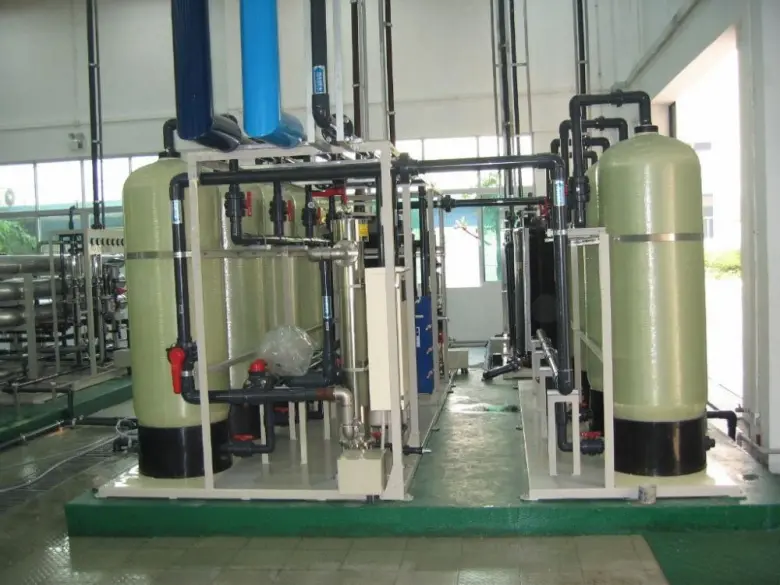
In today’s fast-paced business landscape, I often find myself pondering a crucial question: how can we ensure our operations are not just efficient but also sustainable? One answer that keeps popping up is ion exchange solutions. You might be wondering, why now? Let’s dive into the reasons.
First off, water quality is a growing concern. Many industries rely on water for production, cooling, and cleaning. Poor water quality can lead to equipment damage, increased maintenance costs, and even production downtime. I’ve seen companies struggle with scaling and corrosion issues due to untreated water. That’s where ion exchange comes into play, providing a reliable method to purify water, ensuring it meets the required standards for use.
Now, let’s break down how ion exchange solutions can directly address these pain points:
Improved Water Quality: Ion exchange systems effectively remove harmful contaminants from water. This means cleaner water for your operations, leading to less wear and tear on equipment.
Cost Efficiency: While there’s an initial investment, the long-term savings are significant. Reduced maintenance costs and less downtime translate into a healthier bottom line.
Sustainability: With increasing regulatory pressure on businesses to adopt environmentally friendly practices, ion exchange helps reduce waste and promotes water recycling. This not only benefits your company but also enhances your reputation in the market.
Custom Solutions: Every business is different. Ion exchange systems can be tailored to meet specific needs, whether you’re in manufacturing, pharmaceuticals, or food processing. This adaptability ensures you’re not just getting a one-size-fits-all solution.
Expert Support: Implementing a new system can be daunting, but working with experienced providers means you’ll have guidance every step of the way. From installation to maintenance, you’re not alone in this journey.
In conclusion, if you’re still on the fence about adopting ion exchange solutions, it’s time to take the plunge. The benefits are clear: improved water quality, cost savings, sustainability, and customized support. By making this investment now, you’re not just solving current issues; you’re future-proofing your business for the challenges ahead. Remember, in the world of business, it’s not just about keeping up; it’s about staying ahead.
Unlocking the Benefits of Ion Exchange for Industry Success
In today’s fast-paced industrial landscape, companies often grapple with the challenge of maintaining high-quality products while managing costs. This is where ion exchange technology steps in as a game-changer. Let’s dive into how this process can unlock benefits for your industry success.
First, let’s address the common pain point: water quality. Many industries rely heavily on water for production processes, and poor water quality can lead to inefficiencies and increased costs. I’ve seen firsthand how untreated water can wreak havoc on machinery and product quality. The solution? Ion exchange systems that effectively remove unwanted ions and contaminants, ensuring that the water used is pure and suitable for industrial applications.
Now, how does ion exchange work? At its core, this technology involves the swapping of ions between a solution and an ion exchange resin. The resin captures harmful ions, replacing them with benign ones. This simple yet effective process can significantly enhance water quality.
Step one is identifying the specific contaminants in your water supply. Conducting a thorough analysis will help you understand what you’re dealing with. Once you have this information, you can select the right type of ion exchange resin tailored to your needs.
Step two is installation. While it may sound daunting, many manufacturers offer user-friendly systems that can be integrated with existing setups. I remember a client who was initially hesitant about the installation process. However, with the right support, they had their system up and running in no time, leading to immediate improvements in product quality.
Step three involves monitoring and maintenance. Regular checks are essential to ensure the system continues to operate at peak performance. This not only prolongs the lifespan of the equipment but also maximizes the benefits of ion exchange.
Finally, let’s talk about the results. By implementing ion exchange technology, industries can experience reduced operational costs, improved product quality, and enhanced compliance with environmental regulations. It’s a win-win situation!
In summary, the adoption of ion exchange systems can transform the way industries manage water quality. By addressing the common challenges faced, this technology not only leads to operational efficiency but also contributes to overall success. So, if you’re looking to elevate your industrial processes, consider the powerful benefits of ion exchange.
Want to learn more? Feel free to contact Candie Liang: hongjun@hjwater.cn/WhatsApp ++8618823149433.
References
Smith J 2020 Unveiling the Secrets of Ion Exchange Devices
Johnson L 2021 How Ion Exchange Technology Transforms Water Treatment
Williams R 2019 The Science Behind Ion Exchange Simplified for You
Brown T 2022 Discover the Magic of Ion Exchange in Everyday Life
Davis M 2023 Why Your Business Needs Ion Exchange Solutions Now
Miller K 2021 Unlocking the Benefits of Ion Exchange for Industry Success
