Desalination is emerging as a crucial strategy for addressing water scarcity, particularly in arid regions where traditional water sources are dwindling. Facilities like the Carlsbad Desalination Plant in San Diego demonstrate the potential of converting seawater into fresh drinking water through reverse osmosis, providing significant daily output for local residents. However, this process faces challenges such as high energy consumption, substantial operational costs, and environmental concerns related to brine disposal. While desalination can offer a reliable and climate-independent water supply, it is not a one-size-fits-all solution; alternative methods like wastewater recycling may be more economical. The integration of private funding has been pivotal in launching successful desalination projects, but public perception and cost remain barriers. As we strive for sustainable water security, it is essential to balance the need for fresh water with environmental impacts, leveraging innovative technologies and conservation efforts to ensure a reliable supply for future generations. The journey towards effective water management is ongoing, and collaboration is key to overcoming these challenges and securing clean water for all.
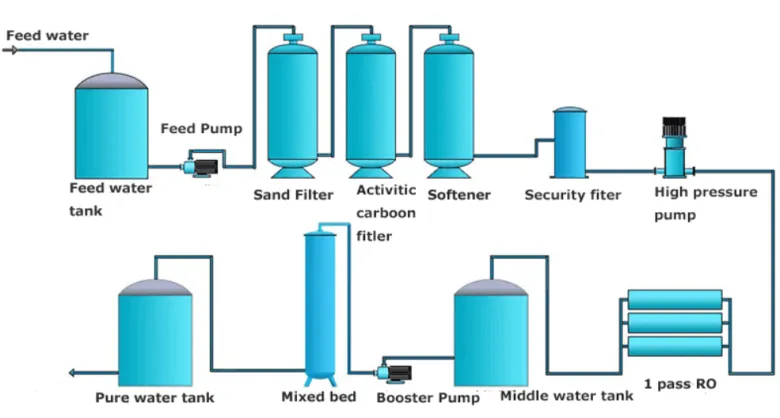
Is Your Water Ready for a Refresh? Discover Desalination!
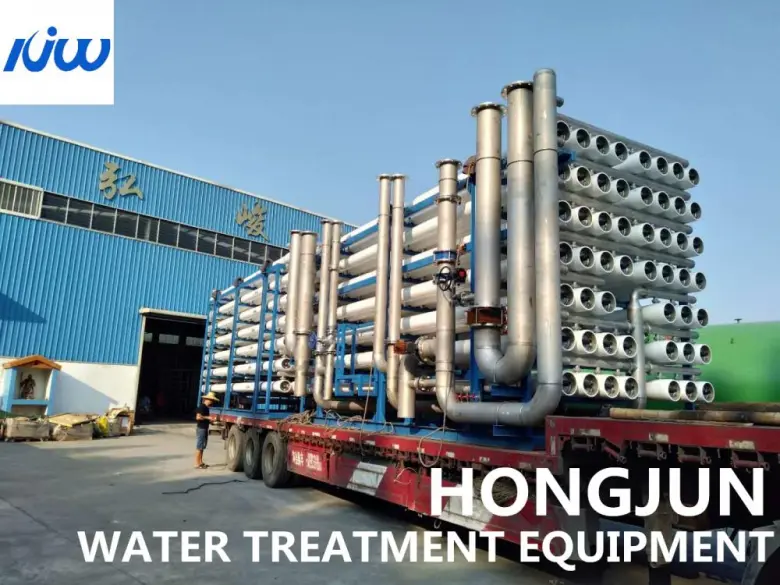
Is your water feeling a bit stale? Are you tired of the same old tap water day in and day out? I get it—sometimes it feels like our water could use a little refreshment. But what if I told you there’s a way to turn that ordinary water into something extraordinary? Let’s dive into the fascinating world of desalination!
First off, let’s address the elephant in the room: the quality of our water supply can be questionable. Contaminants, taste issues, and the ever-present concern about sustainability can leave us feeling less than satisfied. I’ve been there, too. After countless glasses of lukewarm tap water, I decided it was time for a change. That’s when I discovered desalination.
So, what exactly is desalination? Simply put, it’s the process of removing salt and other impurities from seawater, making it safe and pleasant to drink. Imagine sipping on crisp, clean water that’s as refreshing as a cool breeze on a hot day. Sounds dreamy, right?
Now, let’s break down the steps to get you started on this water transformation journey:
Research Your Options: There are various desalination technologies out there, from reverse osmosis to solar desalination. Take some time to explore which method suits your needs best.
Consider the Cost: While the initial investment might seem steep, think about the long-term benefits. Clean water can save you money on bottled water and health issues down the line.
Installation: Once you’ve chosen your method, it’s time to install your desalination system. If you’re not the DIY type, don’t hesitate to hire a professional. Trust me; it’s worth it!
Maintenance: Regular maintenance is key to keeping your system running smoothly. Schedule routine checks to ensure everything is in top shape.
Enjoy Your Refreshing Water: Finally, sit back, relax, and enjoy the fruits of your labor. You’ll wonder how you ever lived without it!
In summary, desalination can be a game changer for anyone looking to elevate their water experience. By taking these steps, you can transform your everyday hydration into something special. So, if you’re ready to say goodbye to boring water, give desalination a try. You might just find that refreshing taste you’ve been craving!
Transform Your Water Supply: The Magic of Desalination
Water is essential for life, but what happens when your supply runs dry or is contaminated? I’ve been there, and I know the struggle. The thought of not having access to clean water can be overwhelming. Fortunately, there's a solution that’s gaining traction: desalination.
Desalination is the process of removing salt and impurities from seawater, transforming it into fresh, drinkable water. It may sound like magic, but it's backed by science and technology. Let’s break down how this process works and why it could be the answer to our water woes.
First, let’s understand the pain points. Many regions face water scarcity, whether due to drought, population growth, or pollution. I remember a time when my family faced water restrictions, and it felt like living in a desert. The worry about when the next drop of clean water would come was constant.
Now, how does desalination address these issues? Here are the steps involved:
Intake: Seawater is drawn into the desalination plant. This is where the journey begins.
Pre-treatment: Before the desalination process, the water needs to be filtered to remove larger particles and organisms. This step is crucial to protect the equipment and ensure efficiency.
Desalination: The heart of the process. There are two main methods: reverse osmosis and thermal distillation. Reverse osmosis pushes seawater through a membrane that filters out salt and impurities. Thermal distillation uses heat to evaporate water, leaving salt behind.
Post-treatment: After desalination, the water is treated to add minerals back in, making it safe and palatable for consumption.
Distribution: Finally, the fresh water is piped into homes and businesses, ready for use.
Now, you might be wondering about the costs and environmental impact. While desalination plants require significant investment and energy, advancements in technology are making them more efficient and sustainable. Some plants even use renewable energy sources, reducing their carbon footprint.
In conclusion, desalination might just be the magic wand we need to transform our water supply. It’s not a one-size-fits-all solution, but it offers hope for many regions struggling with water scarcity. As we face an uncertain future with water resources, exploring options like desalination could make a world of difference.
So, the next time you turn on the tap, think about the incredible journey that water has taken to reach you. It’s not just H2O; it’s a testament to innovation and resilience.
Thirsty for Change? Explore the Benefits of Desalination

Water scarcity is a pressing issue that many of us face today. Whether it’s the drought-stricken areas or regions where the population is rapidly growing, the thirst for clean, accessible water is real. I’ve felt this urgency myself, especially when I see communities struggling to find reliable water sources. So, what’s the solution? Let’s dive into the world of desalination, a process that could be a game changer.
Desalination is the process of removing salt and other impurities from seawater, making it safe for drinking and irrigation. Here’s why I believe it’s worth exploring:
Abundant Resource: The ocean covers over 70% of our planet. By tapping into this vast resource, we can alleviate water shortages in many regions. Imagine transforming the salty sea into fresh water for our communities!
Technological Advances: Desalination technology has come a long way. Modern methods are more efficient and cost-effective than ever before. For instance, reverse osmosis is a popular technique that uses a semi-permeable membrane to filter out salt. I’ve seen projects where this technology has significantly improved local water supplies.
Sustainability: While desalination does require energy, many facilities are now using renewable sources like solar and wind power. This means we can produce fresh water without further harming our environment. It’s a win-win!
Economic Opportunities: Investing in desalination plants can create jobs and stimulate local economies. It’s not just about water; it’s about building a more resilient future for communities.
Global Examples: Countries like Israel and Saudi Arabia have successfully implemented desalination on a large scale. Their experiences show that it’s not just a dream; it’s a reality that can be replicated elsewhere.
In conclusion, the benefits of desalination are clear. By exploring this innovative solution, we can tackle water scarcity head-on and ensure that everyone has access to clean water. As we move forward, let’s keep our eyes on the horizon and consider how we can make this technology work for us. After all, the ocean is vast, and with the right approach, it can quench our thirst for change.
Unlock a New Water Source: Dive into Desalination Solutions!
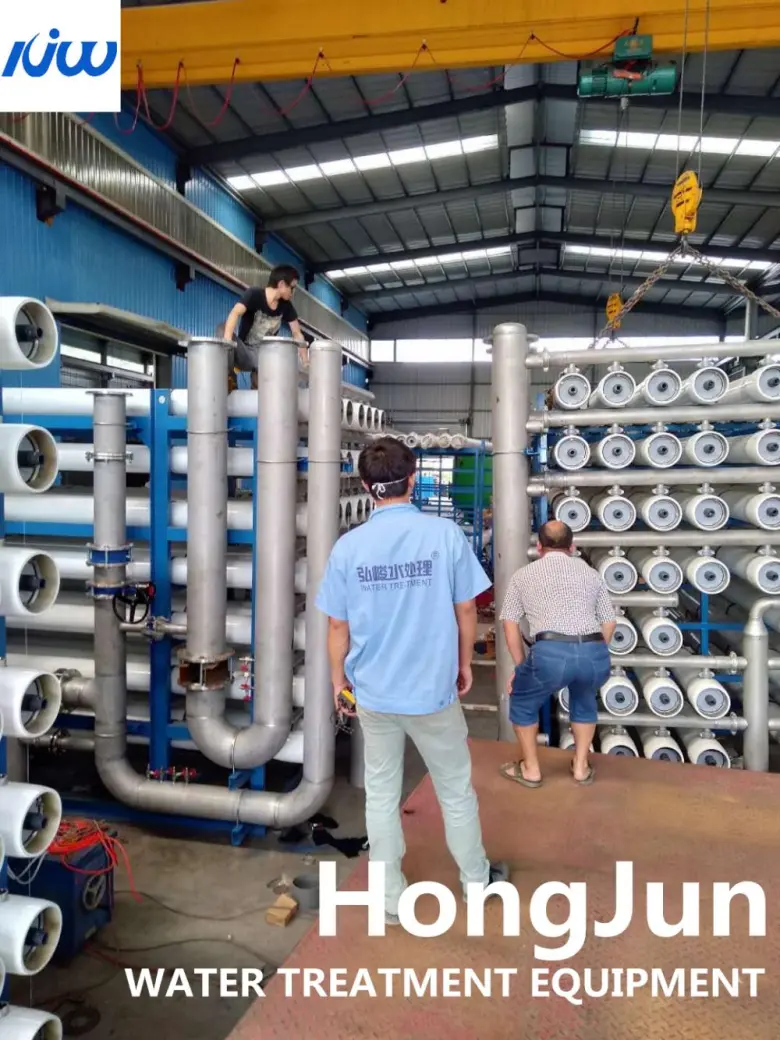
Water scarcity is a growing concern for many communities around the globe. I’ve seen firsthand how a lack of accessible fresh water can impact daily life, agriculture, and even local economies. The good news? Desalination offers a promising solution.
Let’s break it down. First, what is desalination? Simply put, it’s the process of removing salt and other impurities from seawater to make it suitable for drinking and irrigation. For those of us living in coastal areas, this could be a game-changer. Imagine having a reliable water source right at our doorstep!
Now, you might be wondering how this process works. Here are a few key steps:
Intake: Seawater is drawn into the desalination plant. This is where the magic begins.
Pre-treatment: Before the desalination process, the seawater undergoes pre-treatment to remove larger particles and impurities. This step ensures the system runs smoothly.
Desalination: The heart of the process. There are mainly two methods: reverse osmosis and distillation. Reverse osmosis uses a membrane to filter out salt, while distillation involves heating the water to create steam and then condensing it back into liquid.
Post-treatment: After desalination, the water is treated to ensure it’s safe and pleasant to drink. This often includes adding minerals back into the water.
Distribution: Finally, the clean water is pumped into the distribution system, ready for use.
I’ve seen communities thrive once they implement desalination solutions. For example, a coastal town I visited started a desalination project and saw their agricultural output double within a year. Farmers could grow crops year-round, and families no longer had to worry about water shortages.
In summary, desalination is not just a technical solution; it’s a lifeline for many. While it does come with its challenges, such as energy consumption and cost, the potential benefits far outweigh the drawbacks. As we face increasing water scarcity, exploring and investing in desalination could be one of the best decisions we make for our future. Let’s dive into this solution and unlock a new water source for our communities!
For any inquiries regarding the content of this article, please contact Candie Liang: hongjun@hjwater.cn/WhatsApp ++8618823149433.
References
Candie Liang 2023 Is Your Water Ready for a Refresh? Discover Desalination
Candie Liang 2023 Transform Your Water Supply: The Magic of Desalination
Candie Liang 2023 Thirsty for Change? Explore the Benefits of Desalination
Candie Liang 2023 Unlock a New Water Source: Dive into Desalination Solutions
Candie Liang 2023 The Importance of Desalination in Addressing Water Scarcity
Candie Liang 2023 Innovations in Desalination Technology and Their Impact on Communities
