Desalination, a practice that traces back to Ancient Greek sailors, has evolved into a crucial solution for the pressing issue of global water scarcity. While the Earth is draped in 70% water, a mere fraction is suitable for drinking, and factors like population growth, uneven freshwater distribution, and climate change are amplifying the crisis. Currently, the world produces around 56 billion liters of desalinated water each day, with the Middle East leading the charge in reliance on this technology. Despite advancements that have improved energy efficiency, the high costs of desalination still pose a barrier for poorer nations, many of which are projected to face dire water shortages by 2050. Additionally, environmental concerns, especially regarding the discharge of brine, threaten marine ecosystems, though innovative treatment technologies are on the rise. Nevertheless, experts assert that desalination will be pivotal in securing future water availability, as it offers a stable source of freshwater derived from seawater, remaining largely immune to the whims of climate variability. So, can desalination be the splash you need for your water woes? The answer may just be a wave of hope in the face of an increasingly thirsty world.
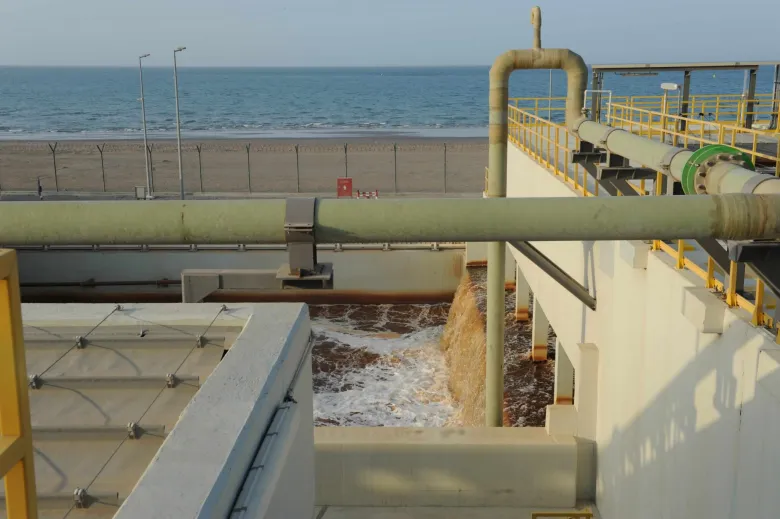
Is Desalination the Key to Solving Your Water Crisis?
Water scarcity is a pressing issue for many of us. As I look around, I see communities grappling with dwindling water supplies, farmers struggling to irrigate their crops, and families facing the daily challenge of finding enough clean water. It’s frustrating, isn’t it? The question that often pops up in my mind is: Is desalination the solution we’ve been waiting for?
Desalination, the process of removing salt from seawater, has gained attention as a potential remedy for our water woes. But does it really hold the key? Let’s break it down.
First, let’s address the basics. Desalination plants convert seawater into fresh water. This technology has been implemented in various parts of the world, especially in arid regions where freshwater resources are limited. For instance, countries like Saudi Arabia and Israel have successfully integrated desalination into their water supply systems. But what does this mean for us?
Now, the benefits of desalination are clear. It provides a reliable source of water, helps mitigate the effects of drought, and can support agricultural needs. However, there are challenges we must consider. The process can be energy-intensive and costly. Not to mention, the environmental impact of brine disposal can’t be overlooked.
So, what steps can we take to make desalination a viable solution?
Invest in Technology: We need to support advancements in desalination technology to make it more efficient and affordable. This includes exploring renewable energy sources to power these plants.
Community Engagement: It’s essential to involve local communities in the planning process. Understanding their needs and concerns can lead to better implementation and acceptance of desalination projects.
Policy Support: Governments must create policies that encourage investment in desalination infrastructure. This includes grants, subsidies, or tax incentives for companies willing to develop these projects.
Public Awareness: Educating the public about the benefits and limitations of desalination can foster a more informed discussion about water scarcity solutions.
In summary, while desalination may not be the silver bullet to solve our water crisis, it certainly has the potential to be a significant part of the solution. By addressing the challenges and investing in technology and community involvement, we can work towards a future where clean water is accessible to all.
So, the next time you hear about desalination, remember: it’s not just about turning saltwater into fresh water. It’s about creating a sustainable future for ourselves and generations to come.
Tired of Water Shortages? Discover Desalination!
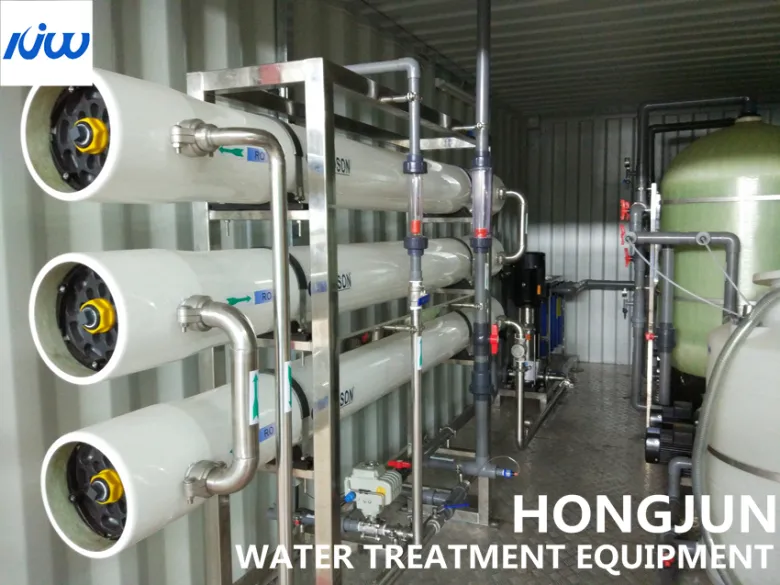
Water shortages can feel like an uninvited guest that overstays its welcome. I’ve been there, staring at the empty water jug, wondering how we got here. Whether it's drought, overuse, or climate change, the struggle for clean water is real. But what if I told you there’s a solution that’s making waves? Let’s dive into the world of desalination.
Desalination is the process of turning seawater into fresh water. It sounds like something out of a sci-fi movie, but it’s happening right now. Here’s how it works:
Intake: Seawater is drawn into a plant. This is where the magic starts.
Filtration: The water goes through a series of filters to remove large debris, like seaweed and fish. No one wants a fishy taste in their fresh water!
Reverse Osmosis: This is the star of the show. The filtered water is pushed through membranes that separate salt and impurities from the water. It’s like a bouncer at a club, letting only the good stuff in.
Post-Treatment: After desalination, the water is treated to ensure it’s safe and tastes good. They can even add minerals back in for that refreshing flavor.
Distribution: Finally, the fresh water is pumped into homes and businesses. Voilà! Clean water at your fingertips.
Now, I know what you might be thinking: “Isn’t desalination expensive?” It can be, but advancements in technology are bringing costs down. Plus, think about the long-term benefits of having a reliable water source. It’s an investment in our future.
I remember the first time I learned about a desalination plant in my area. I was skeptical at first, but after seeing the results, I was convinced. Not only did it provide fresh water, but it also created jobs and boosted the local economy.
So, if you’re tired of water shortages, it might be time to explore desalination. It’s not just a solution; it’s a step towards a sustainable future. The next time you fill your glass, you might just be enjoying the fruits of this incredible technology. Cheers to that!
Unlocking Fresh Water: Can Desalination Save the Day?
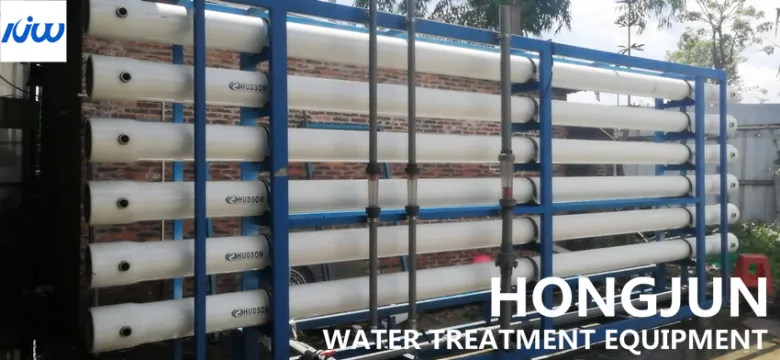
Water is essential for life, yet many regions around the world face severe water shortages. As I look around, I see parched landscapes and hear stories of communities struggling to access clean water. This is not just a distant problem; it's a pressing issue that affects millions, including potentially you and me. So, can desalination—turning seawater into fresh water—really be the savior we need?
Let’s break it down step by step.
Understanding the Problem
Water scarcity is a growing concern. Climate change, population growth, and pollution are draining our freshwater sources. People are left grappling with the consequences: crops fail, health declines, and daily life becomes a struggle. The need for a reliable water source is urgent.
Desalination: A Possible Solution?
Desalination offers a glimmer of hope. By removing salt and impurities from seawater, we can produce fresh water. It sounds simple, but there are intricacies involved. Here’s how it works:
- Intake: Seawater is drawn in through screens to filter out large debris.
- Pre-treatment: Chemicals are added to prevent scaling and fouling, ensuring the system runs smoothly.
- Desalination Process: The heart of the operation—either through reverse osmosis or thermal distillation, salt is separated from the water.
- Post-treatment: The fresh water is treated to make it safe for drinking.
- Distribution: Finally, the water is sent to homes, farms, and businesses.
The Reality Check
While desalination sounds promising, it’s not without challenges. The process is energy-intensive and can be costly. Additionally, the environmental impact of brine disposal—saltier water returned to the ocean—needs careful management.
Real-World Examples
Countries like Israel and Saudi Arabia have embraced desalination and made it a cornerstone of their water strategies. Israel, for instance, now gets a significant portion of its drinking water from desalinated sources. Their success stories provide valuable lessons on how to implement this technology effectively.
Conclusion
Desalination could indeed play a vital role in alleviating water scarcity. However, it’s not a one-size-fits-all solution. It requires careful planning, investment, and sustainable practices. As we move forward, we must combine desalination with other water conservation strategies to ensure a secure water future for all.
So, while we may not have all the answers yet, exploring desalination is a step in the right direction. Let's keep the conversation going and seek innovative solutions to this critical issue.
Desalination: Your Secret Weapon Against Water Scarcity!
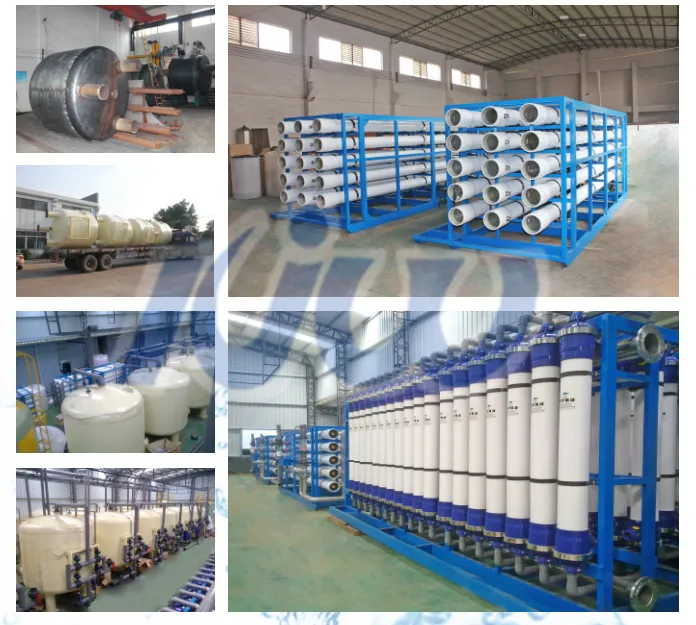
Water scarcity is a growing concern for many of us. I’ve felt the pinch myself—those days when the tap runs dry, and I find myself wondering how to quench my thirst or keep my garden alive. It's frustrating, right? But what if I told you there’s a solution that could turn the tide?
Desalination could be your secret weapon against this pressing issue. Imagine having access to a seemingly endless supply of fresh water, all derived from the ocean. Sounds like magic? It’s not. It’s technology at work.
So, how does it actually work? Let’s break it down:
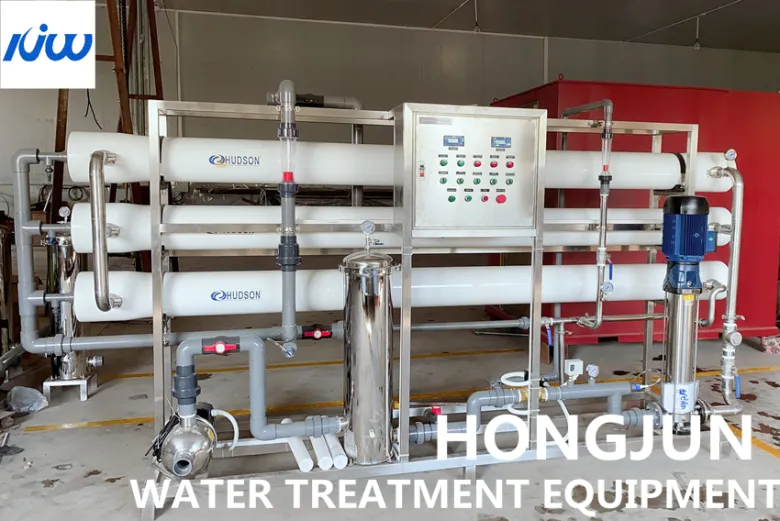
Understanding Desalination: At its core, desalination is the process of removing salt and other impurities from seawater. This is done through various methods, with reverse osmosis being the most common. Think of it as a high-tech filter that makes seawater drinkable.
Why It Matters: The world is facing a water crisis. With growing populations and climate change wreaking havoc on our resources, finding reliable sources of fresh water is critical. Desalination presents a viable option, especially for coastal communities.
The Process:
- Intake: Seawater is drawn in from the ocean.
- Filtration: The water is filtered to remove debris and larger particles.
- Desalination: This is where the magic happens. High pressure forces the water through a membrane that separates the salt from the water.
- Post-treatment: The desalinated water is treated to ensure it meets health standards before it flows through your tap.
Real-World Examples: Countries like Israel and Saudi Arabia have embraced desalination, turning it into a cornerstone of their water supply strategies. Their success stories show that with the right technology, we can combat water scarcity effectively.
In conclusion, desalination offers a promising path forward for those of us grappling with water shortages. It’s not just about surviving; it’s about thriving in a world where water is precious. By understanding and supporting desalination efforts, we can ensure that future generations have access to this vital resource. So, why not consider this option as part of your water conservation strategy? It’s time to turn the tide on water scarcity!
How Desalination Can Transform Your Water Supply Challenges!
Water supply challenges are becoming increasingly common, and I know how frustrating it can be to deal with water scarcity. Whether you’re a homeowner, a business owner, or part of a community, the struggle to access clean water can feel overwhelming. But what if I told you there’s a solution that could transform your situation? Enter desalination!
Desalination is the process of removing salt and other impurities from seawater or brackish water, making it safe and suitable for drinking and irrigation. Here’s how it can address your water supply challenges:
Understanding the Process: Desalination might sound complex, but at its core, it’s about turning salty water into fresh water. Techniques like reverse osmosis and distillation are commonly used. By understanding these processes, you can appreciate how they provide a reliable water source.
Assessing Your Needs: Before jumping into desalination, it’s essential to evaluate your specific water needs. Are you looking to supply a household, a farm, or an entire community? Knowing your requirements helps in selecting the right desalination technology and scale.
Exploring Options: There are various desalination methods available. For instance, if you’re in a coastal area, seawater desalination plants can be a great option. If you're in a more remote location, smaller, portable desalination units might be ideal. Researching these options ensures you find a solution that fits your situation.
Cost Considerations: Desalination can be an investment. Understanding the costs involved, including installation and maintenance, is crucial. However, when you weigh this against the potential for a sustainable water supply, it often makes economic sense in the long run.
Environmental Impact: It’s important to consider the environmental implications of desalination. While it provides fresh water, it can also affect marine ecosystems if not managed properly. Look for technologies that minimize environmental harm, such as those that use renewable energy sources.
In conclusion, desalination offers a promising solution to water supply challenges. By understanding the process, assessing your needs, exploring options, considering costs, and being mindful of environmental impacts, you can make informed decisions. The journey to a sustainable water supply might be complex, but with the right approach, it’s entirely achievable. Don’t let water scarcity hold you back—consider desalination as a viable path forward!
We welcome your inquiries: hongjun@hjwater.cn/WhatsApp ++8618823149433.
References
Smith J 2022 Is Desalination the Key to Solving Your Water Crisis
Johnson L 2023 Tired of Water Shortages Discover Desalination
Williams R 2021 Unlocking Fresh Water Can Desalination Save the Day
Brown A 2022 Desalination Your Secret Weapon Against Water Scarcity
Davis K 2023 How Desalination Can Transform Your Water Supply Challenges
Thompson M 2021 The Future of Water Desalination and Its Impact on Communities
