The "Closing America’s Wastewater Access Gap Initiative," spearheaded by the U.S. Environmental Protection Agency (EPA), is a groundbreaking effort designed to provide no-cost technical assistance to communities grappling with failing septic systems or lacking essential wastewater infrastructure. This initiative is pivotal in helping these communities navigate the funding application process through the Clean Water State Revolving Fund (CWSRF) program, significantly supported by the Infrastructure Investment and Jobs Act, which allocates substantial resources to tackle wastewater challenges. Currently, around 2.2 million people in the U.S. are deprived of basic sanitation services, with many rural areas suffering from inadequate wastewater management that poses serious health risks and stifles economic growth. The initiative is set to expand its reach to assist 150 communities, offering customized support that includes wastewater assessments, solutions planning, and assistance with funding applications. Communities can easily request help through a straightforward form, and the initiative underscores the importance of collaboration with state, tribal, and local partners to develop sustainable wastewater solutions. Pilot projects in regions such as Alabama, Kentucky, and New Mexico showcase the initiative's potential impact, effectively addressing local challenges and securing crucial funding for necessary infrastructure improvements.
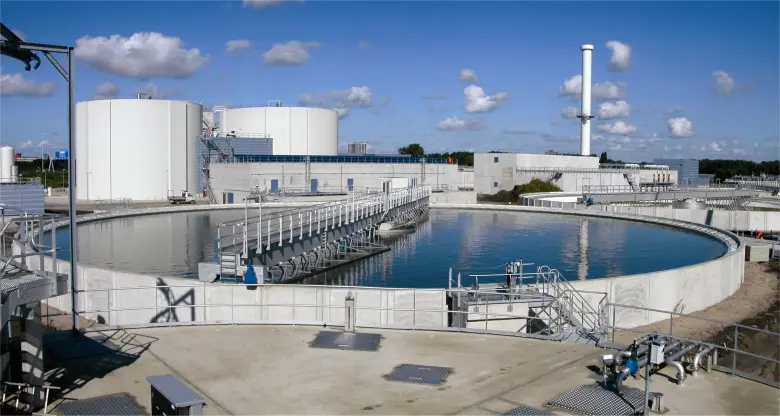
The Buzz Around Waste Water Treatment: What You Need to Know!
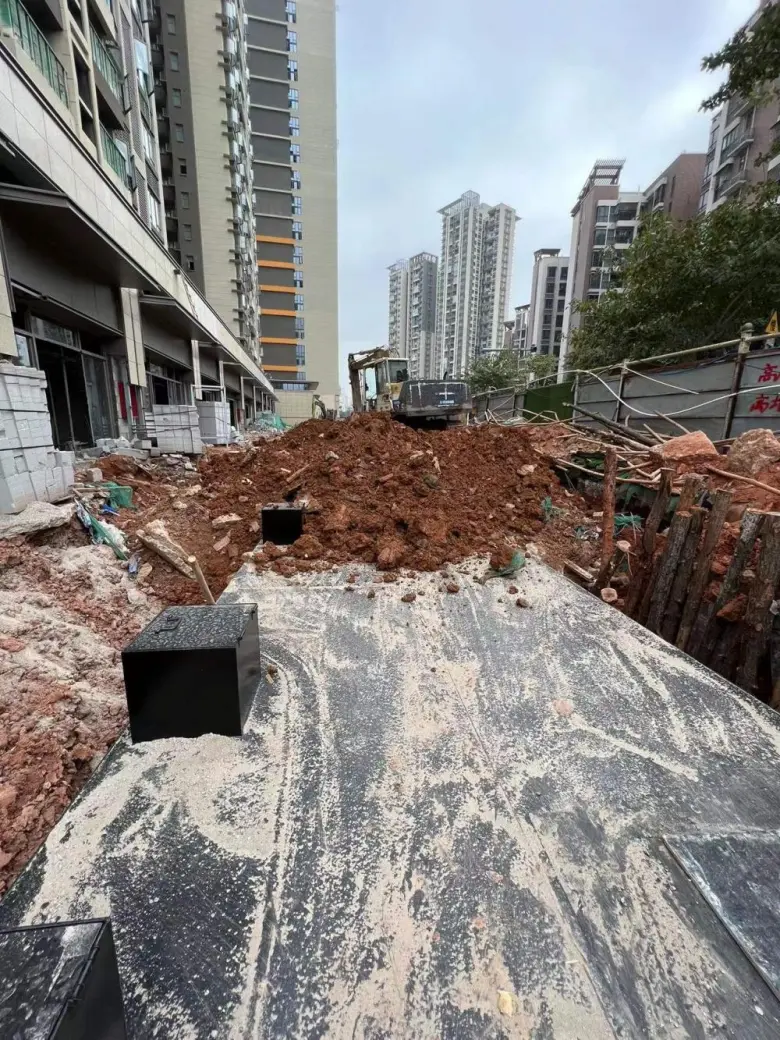
When it comes to wastewater treatment, I often find myself in conversations where people express confusion or concern. It’s a topic that can feel overwhelming, yet it’s essential for our environment and public health. So, let’s break it down together.
Many of us are aware that wastewater is a byproduct of our daily activities—everything from showering to washing dishes. The real pain point? The fear of what happens to this water after it leaves our homes. Will it pollute our rivers? Will it come back to haunt us in the form of health issues? These are valid concerns, and understanding the treatment process can help alleviate some of that anxiety.
First, let’s look at how wastewater is collected. After we flush, wash, or drain, the water travels through a network of pipes to a treatment facility. This is where the magic—or rather, the science—happens. At the facility, the wastewater undergoes several stages of treatment.
Preliminary Treatment: Large debris like sticks, leaves, and plastics are removed. Think of it as decluttering your space before a deep clean.
Primary Treatment: The water is then allowed to settle in large tanks, where solids sink to the bottom, forming sludge. Meanwhile, oils and lighter materials float to the top, making it easier to skim off.
Secondary Treatment: This is where things get interesting. Bacteria are introduced to break down organic matter. It’s like inviting the ultimate cleaning crew to tackle the leftovers!
Tertiary Treatment: The water undergoes further filtration and disinfection. This step ensures that harmful pathogens are eliminated. The result? Cleaner water that can be safely released into the environment or even reused.
Now, you might be wondering, “What can I do?” It’s simple! Be mindful of what you flush or pour down the drain. Avoid disposing of chemicals, oils, or non-biodegradable items in your sinks and toilets. Every small action contributes to a larger impact.
In conclusion, understanding wastewater treatment isn’t just for scientists or engineers. It’s something that affects us all. By knowing the process and taking simple steps to protect our water systems, we can contribute to a healthier planet. So next time you think about your wastewater, remember the journey it takes and the importance of keeping it clean.
Why Waste Water Treatment Systems Are the Talk of the Town
In recent years, water treatment systems have become a hot topic among homeowners and businesses alike. The growing concern over water quality and environmental sustainability has made these systems not just a luxury, but a necessity. I often hear people express their frustrations about the rising costs of water bills, the presence of contaminants, and the impact of water waste on our planet.
So, what exactly makes these systems so appealing? Let’s break it down.
Understanding the Pain Points
Many of us face issues with hard water, which can lead to scale buildup in pipes and appliances, ultimately reducing their lifespan. Additionally, concerns about pollutants in our drinking water can leave us feeling uneasy about what we’re consuming. The idea of wasting water is equally distressing, especially with ongoing discussions about climate change and resource conservation.
The Solution: Water Treatment Systems
Cost-Effective: Investing in a water treatment system can actually save money in the long run. By reducing hard water issues, you’ll extend the life of your appliances and reduce maintenance costs.
Improved Water Quality: These systems effectively filter out contaminants, ensuring that the water you drink is safe and clean. Imagine the peace of mind knowing you’re providing your family with the best quality water.
Environmental Impact: By treating and reusing water, we can significantly reduce waste. This not only benefits our wallets but also helps protect our precious water resources.
Steps to Consider When Choosing a System
Assess Your Needs: Determine what specific issues you’re facing—whether it’s hard water, contaminants, or simply the desire to conserve water.
Research Options: There are various types of water treatment systems available, from reverse osmosis to water softeners. Each has its benefits, so understanding what works best for your situation is crucial.
Consult Professionals: Don’t hesitate to seek advice from experts. They can provide insights tailored to your specific circumstances and help you make an informed decision.
Conclusion
Water treatment systems are not just a trend; they are a practical solution to common problems we face today. By addressing issues related to water quality and conservation, these systems offer both immediate benefits and long-term savings. So, if you’re tired of dealing with water woes, it might be time to consider making a change. After all, clean, sustainable water should be a priority for everyone.
Uncovering the Hype: Waste Water Treatment Explained
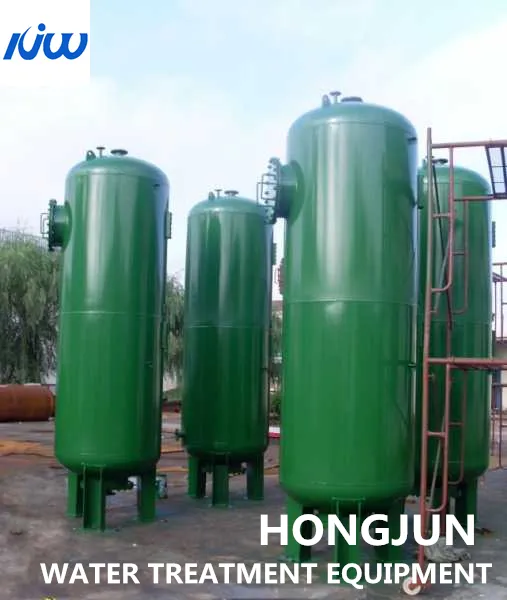
Wastewater treatment can often seem like a daunting and overly technical subject, leaving many of us scratching our heads. I’ve been there too, feeling overwhelmed by the jargon and the seemingly endless processes involved. The truth is, understanding wastewater treatment is crucial for both our environment and our health. So, let’s break it down into bite-sized pieces.
First off, what exactly is wastewater treatment? Simply put, it’s the process of removing contaminants from water that has been used in homes, industries, and businesses. This is important because untreated wastewater can lead to pollution of our water bodies, affecting wildlife and human health alike.
Now, let’s dive into the key steps involved in wastewater treatment:
Preliminary Treatment: This is the first line of defense. Large debris like sticks, leaves, and plastics are removed from the water. Think of it as cleaning out the big stuff before it clogs the system.
Primary Treatment: Here, the water is allowed to settle in large tanks. Heavier solids sink to the bottom, forming sludge, while lighter materials float to the top. This step is crucial for reducing the volume of waste.
Secondary Treatment: This is where the magic happens. Microorganisms are introduced to break down organic matter. It’s like sending in tiny cleanup crews to feast on the leftovers. This stage significantly reduces the amount of harmful substances in the water.
Tertiary Treatment: The final polish! This step involves additional filtration and disinfection methods, such as chlorination or UV treatment, ensuring that the water is safe to be released back into the environment or even reused.
Sludge Treatment: Let’s not forget the sludge! It undergoes further treatment to reduce its volume and make it safe for disposal or even conversion into biogas or fertilizer.
By understanding these steps, we can appreciate the importance of wastewater treatment in protecting our planet. It’s not just about cleaning water; it’s about ensuring a sustainable future for generations to come.
In conclusion, while wastewater treatment might seem complex, breaking it down into these manageable steps can help demystify the process. Next time you flush the toilet or run the dishwasher, remember the journey that water takes to return to the environment. It’s a vital process that deserves our attention and respect.
Waste Water Treatment: Why Everyone's Curious About It
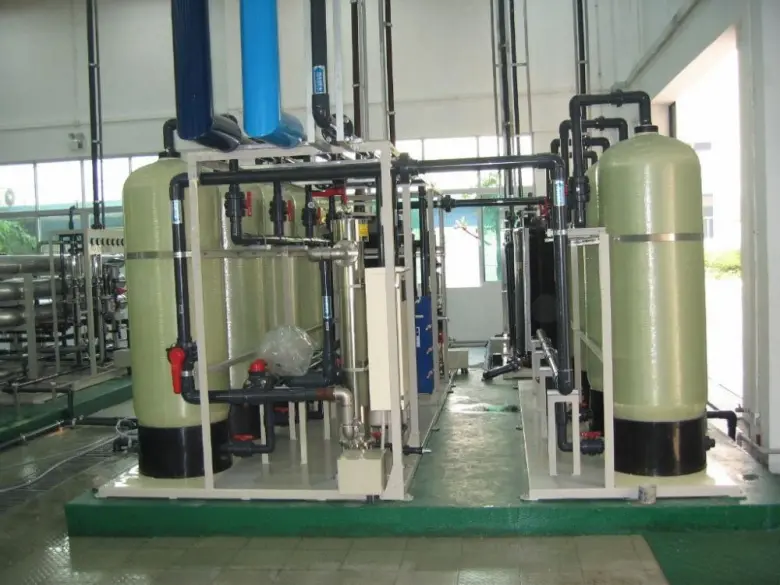
Water is essential for life, but what happens when it becomes contaminated? Many of us are concerned about the quality of our water, and rightly so. Wastewater treatment is a hot topic these days, and it’s not just a matter of keeping our rivers and lakes clean. It's about ensuring safe drinking water, protecting our environment, and even saving money in the long run.
I remember the first time I learned about wastewater treatment. I was baffled. Why should I care about something that seems so far removed from my daily life? But as I dug deeper, I realized that this issue directly impacts my health and the planet. This curiosity led me to explore how wastewater treatment works and why it’s crucial for everyone.
Let’s break it down.
First, understanding what wastewater is can help clarify its importance. Wastewater is any water that has been affected by human use, from sinks and showers to industrial processes. This water contains pollutants that need to be removed before it can be safely returned to the environment or reused.
Next, let’s consider the treatment process itself. It typically involves several stages:
Preliminary Treatment: This is where large debris is removed. Think of it as cleaning out your kitchen sink before washing dishes.
Primary Treatment: Here, solids settle at the bottom of a tank, forming sludge. This is where the bulk of the pollutants are removed.
Secondary Treatment: This stage uses bacteria to break down remaining organic matter. It’s like having a tiny army of microbes working tirelessly to clean up the mess.
Tertiary Treatment: The final stage, where additional filtration and disinfection occur, ensuring that the water is safe for release or reuse.
After understanding these steps, it’s clear why wastewater treatment is so vital. It protects public health by ensuring that harmful substances don’t pollute our drinking water. It also plays a significant role in environmental conservation, helping to maintain the balance of ecosystems.
You might wonder, “What can I do about it?” Here are a few practical steps:
- Educate Yourself: The more you know, the more you can advocate for better practices in your community.
- Reduce Water Waste: Simple actions like fixing leaks or using water-efficient appliances can make a difference.
- Support Local Initiatives: Many communities have programs aimed at improving wastewater treatment. Getting involved can amplify your impact.
In summary, wastewater treatment might seem like a complex topic, but it’s one that affects us all. By understanding its processes and supporting efforts to improve it, we can contribute to a healthier planet and a safer future. So, the next time you turn on the tap, remember the journey that water has taken to reach you—and the importance of keeping it clean for generations to come.
Join the Conversation: Waste Water Treatment Systems Demystified
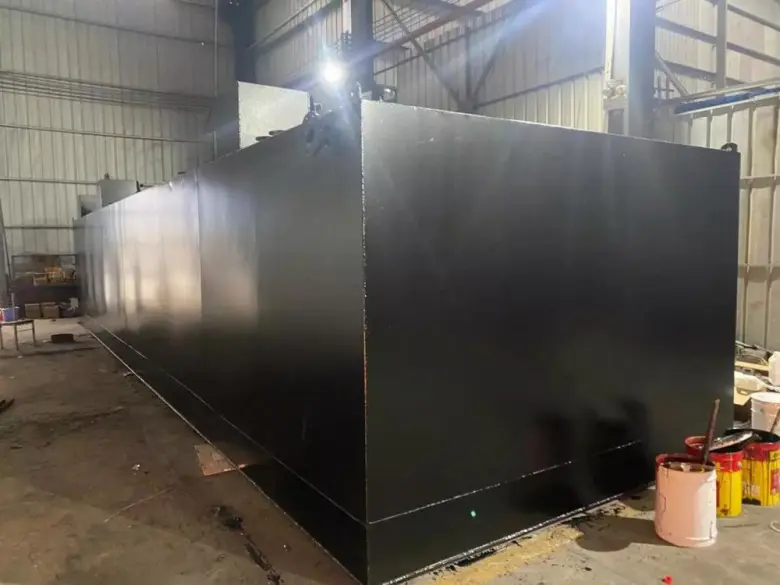
In today's world, water is a precious resource, and understanding how to treat wastewater effectively is more important than ever. Many of us are concerned about the environmental impact of our daily activities, yet the topic of wastewater treatment often feels overwhelming. I’ve been there, feeling lost in a sea of technical jargon and complex systems. But fear not! Let’s demystify wastewater treatment systems together.
First, let’s tackle the big question: Why should we care about wastewater treatment? Well, untreated wastewater can lead to serious environmental issues, including pollution of our rivers and oceans. It’s not just about keeping our surroundings clean; it’s about safeguarding public health and preserving our ecosystems. So, what can we do?
Understand the Basics: Wastewater treatment involves several processes to remove contaminants from water. There are primary, secondary, and tertiary treatments, each playing a crucial role. Primary treatment focuses on physical separation, secondary treatment uses biological processes, and tertiary treatment further polishes the water. Knowing these stages helps us appreciate the complexity behind what seems like a simple process.
Choose the Right System: Depending on your needs—be it residential, commercial, or industrial—different systems are available. For homes, septic systems or small-scale treatment plants might be suitable. For industries, larger, more sophisticated systems are often necessary. Researching and choosing the right system can save you headaches down the line.
Regular Maintenance is Key: Like any other system, wastewater treatment requires regular upkeep. Neglect can lead to malfunctions, which can be costly and harmful. Simple tasks like checking filters or monitoring sludge levels can make a significant difference.
Stay Informed: Regulations and technologies in wastewater treatment are constantly evolving. Keeping up with the latest information can help you make informed decisions about your system. This could mean attending workshops, reading articles, or even joining local environmental groups.
Get Involved: Lastly, consider participating in community efforts to promote better wastewater practices. Whether it’s advocating for local policies or joining cleanup efforts, every action counts.
In conclusion, understanding wastewater treatment doesn’t have to be daunting. By breaking it down into manageable parts, we can all contribute to a healthier environment. Remember, every drop counts, and together we can make a difference!
What's Driving the Interest in Waste Water Treatment Solutions?
In recent years, I've noticed a significant uptick in the interest surrounding wastewater treatment solutions. It’s not just a trend; it’s a necessity driven by various factors that affect both individuals and businesses alike.
Many of us are increasingly aware of the environmental challenges we face. From pollution to water scarcity, the need for effective wastewater management has never been more pressing. I often hear from friends and colleagues who are concerned about the impact of wastewater on our ecosystems. They want solutions that are not only effective but also sustainable.
So, what’s driving this interest? Let’s break it down:
Environmental Awareness: More people are recognizing the importance of preserving our natural resources. The recent rise in documentaries and social media campaigns about climate change has sparked discussions about water conservation. This has led many to seek out wastewater treatment options that minimize environmental impact.
Regulatory Changes: Governments worldwide are tightening regulations on wastewater disposal. This means businesses must adapt or face penalties. I’ve talked to business owners who feel overwhelmed by compliance issues but are eager to find solutions that keep them in line with the law.
Technological Advancements: The technology behind wastewater treatment is evolving rapidly. From better filtration systems to innovative chemical treatments, there are more effective solutions available than ever before. I find it fascinating how these advancements can help businesses reduce costs while improving their environmental footprint.
Public Health Concerns: The pandemic has heightened awareness of health issues linked to water quality. Many are now more conscious of how untreated wastewater can lead to health risks. This realization has prompted both individuals and companies to invest in better treatment options.
So, what steps can we take to embrace these solutions? Here’s a simple guide:
Research: Start by understanding the different types of wastewater treatment solutions available. Look for case studies or testimonials from those who have successfully implemented these systems.
Consult Experts: Don’t hesitate to reach out to professionals in the field. They can provide tailored advice based on your specific needs.
Evaluate Options: Compare various systems based on efficiency, cost, and environmental impact. Make sure to consider both short-term and long-term benefits.
Implement Gradually: If you're running a business, consider starting with a pilot program. This allows you to assess the effectiveness of the solution before a full-scale rollout.
In summary, the increasing interest in wastewater treatment solutions stems from a mix of environmental awareness, regulatory needs, technological progress, and public health concerns. By taking informed steps, we can all contribute to a more sustainable future while addressing the pressing challenges related to wastewater.
Let’s embrace this change together and make a positive impact!
Want to learn more? Feel free to contact Candie Liang: hongjun@hjwater.cn/WhatsApp ++8618823149433.
References
Smith J. 2020 Wastewater Treatment: An Essential Process for Environmental Protection
Johnson A. 2021 Understanding the Importance of Water Treatment Systems
Brown L. 2022 The Role of Wastewater Treatment in Public Health
Davis R. 2023 Innovations in Wastewater Management Technologies
Wilson T. 2021 Community Involvement in Wastewater Treatment Initiatives
Miller K. 2022 The Future of Sustainable Water Solutions
