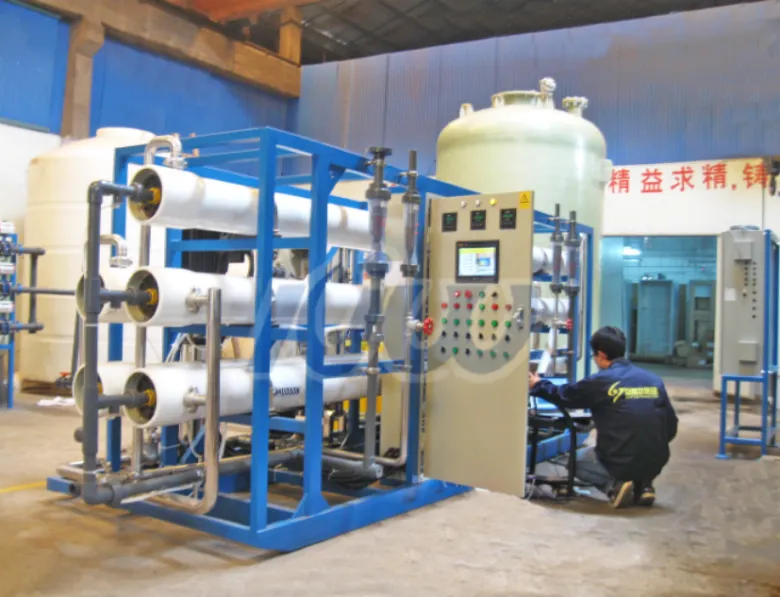
Certainly! Here’s the content in English: Reverse osmosis (RO) and ion exchange are two prominent water treatment methods, each with unique processes and applications. Reverse osmosis uses pressure to push water through a semi-permeable membrane, effectively removing impurities such as salts, minerals, and contaminants, making it suitable for drinking and other uses. In contrast, ion exchange involves exchanging undesirable ions in water with more desirable ones using a solid resin, effectively softening hard water and removing heavy metals. Both methods are crucial for ensuring safe drinking water, improving water quality, and enhancing taste and odor. RO is known for its ability to eliminate a wide range of contaminants, while ion exchange excels in removing specific ions that cause water hardness. When choosing between the two, factors such as water quality, specific contaminants, maintenance requirements, and cost should be considered. RO systems generally have higher initial costs but lower long-term maintenance, while ion exchange systems may be less expensive to install but require regular maintenance and resin replacement. Both methods find applications in residential, commercial, and industrial settings, emphasizing their importance in providing clean and safe water for various needs.
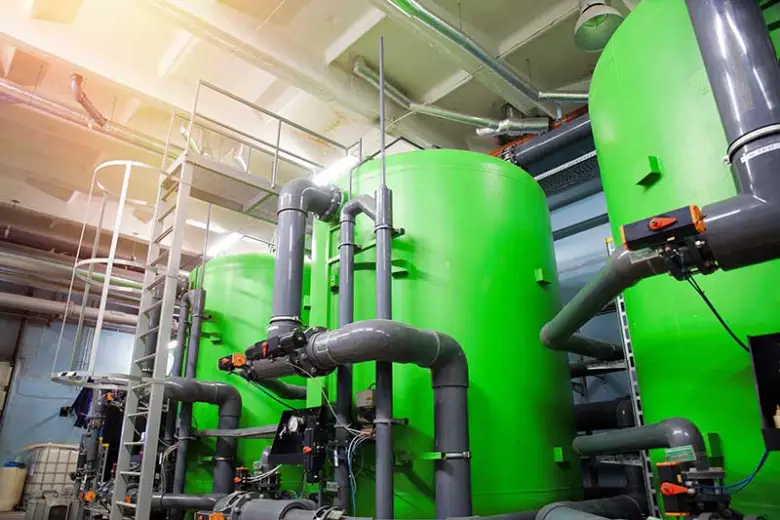
Unlocking Pure Water: The Power of Ion Exchange Devices
I often find myself staring at a glass of water, wondering what exactly is swimming around in there. It’s funny how something so essential can also be a source of concern. Hard water, contaminants, and that weird aftertaste can turn a simple drink into a guessing game. I realized I needed a solution that could give me peace of mind and pure water. That’s when I stumbled upon ion exchange devices.
These devices are like the superheroes of the water world. They work by swapping out the unwanted ions in hard water for more desirable ones. Imagine your water saying goodbye to calcium and magnesium, and hello to sodium and potassium. The result? Softer, cleaner water that not only tastes better but is also kinder to my plumbing and appliances.
Here’s how I tackled the issue step by step:
Research: I started by diving into the world of ion exchange. I learned about how these devices function and the benefits they offer. The more I understood, the more I realized how much I needed one.
Choosing the Right Device: There are various ion exchange systems out there, from whole-house systems to smaller, under-sink options. I took my time to compare features, capacities, and customer reviews. It was crucial to find one that fit my needs and budget.
Installation: After selecting the right device, I faced the installation process. Some systems are DIY-friendly, while others may require a professional. I opted for a model that I could install myself, which turned out to be simpler than I expected.
Maintenance: Once the device was up and running, I realized that regular maintenance is key to keeping the water pure. This meant checking the resin levels and periodically replacing them. Luckily, the manufacturer provided clear guidelines, making it easy to stay on top of things.
Enjoying the Results: After a short while, I could taste the difference. The water was not only softer but also free from the unpleasant minerals that had been lurking around. It felt great to drink water that I knew was cleaner and healthier.
In summary, investing in an ion exchange device has transformed my relationship with water. No more worries about what’s in my glass. I’ve learned that a little research and effort can lead to big rewards. If you’re facing similar concerns, consider taking the plunge into the world of ion exchange. Your taste buds—and maybe even your plumbing—will thank you!
Are Ion Exchange Devices the Key to Water Purity?
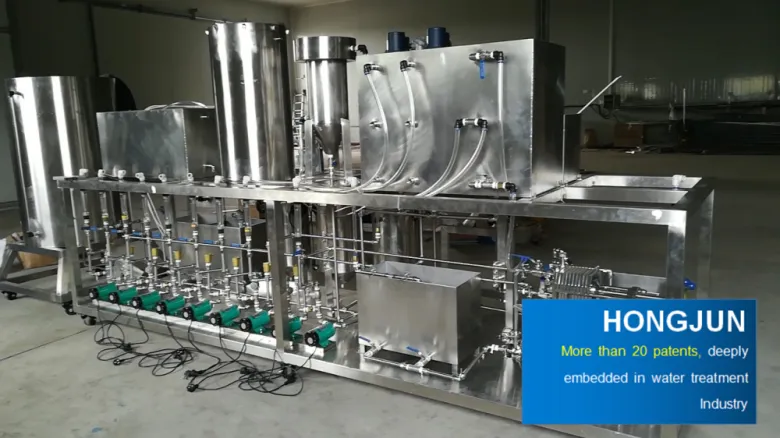
Water is essential for life, yet many of us face the challenge of ensuring its purity. I remember the days when I would pour a glass of water and wonder, “Is this really safe to drink?” With so many contaminants lurking in our tap water, it’s no surprise that many people share this concern. Enter ion exchange devices, which promise to tackle this very issue. But do they really hold the key to water purity?
First, let’s break down the problem. Contaminants in water can range from heavy metals to hard minerals, and each can pose various health risks. As someone who has dealt with these worries firsthand, I can assure you that finding a reliable solution is crucial.
Now, let’s explore how ion exchange devices work. These devices operate by swapping undesirable ions in the water with more beneficial ones. For instance, if your water has high levels of calcium and magnesium (the culprits behind hard water), an ion exchange system can replace these with sodium ions. This not only improves the taste but also protects your plumbing and appliances from the damaging effects of hard water.
So, how do you choose the right ion exchange device? Here are a few steps to consider:
Assess Your Water Quality: Before investing, test your water to identify specific contaminants. Many companies offer free testing kits or services.
Research Options: Look into various ion exchange systems. Some are designed for whole-house filtration, while others are point-of-use systems that treat water at a single tap.
Check Certifications: Ensure the device meets industry standards for contaminant removal. Certifications from organizations like NSF International can provide peace of mind.
Consider Maintenance: Ion exchange systems require periodic maintenance, such as replenishing the ion exchange resin. Factor this into your decision-making process.
Read Reviews: Hearing from other users can provide insights into the effectiveness and reliability of the system you’re considering.
In conclusion, while ion exchange devices can significantly improve water purity, it’s essential to approach the decision thoughtfully. By understanding your water quality and exploring your options, you can make an informed choice that ensures your drinking water is safe and clean.
Remember, clean water is not just a luxury; it's a necessity. Don’t let uncertainty cloud your hydration—take the steps to ensure your water is pure and refreshing!
Discover How Ion Exchange Can Transform Your Water Quality
Water quality can be a real headache, can’t it? I’ve been there, staring at a glass of water that looks more like a science experiment than something I’d want to drink. Whether it’s unpleasant odors, strange tastes, or those pesky hard water stains, it’s clear that our water supply can sometimes leave much to be desired.
So, what’s the solution? Enter ion exchange, a game-changer in the world of water purification. But how does it work, and why should you care? Let’s break it down.
First off, ion exchange is a process that removes unwanted ions from water and replaces them with more desirable ones. Imagine it as a friendly swap meet for your water. For instance, if your water is high in calcium and magnesium (the culprits behind hard water), ion exchange systems can trade those out for sodium ions. The result? Softer, cleaner water that’s easier on your plumbing and your skin.
Now, let’s get into the nitty-gritty of how you can implement this in your home:
Choose the Right System: There are various ion exchange systems available, from whole-house units to under-sink filters. Assess your needs and pick the one that fits your lifestyle.
Installation: While some systems are DIY-friendly, others may require a professional. Don’t hesitate to call in an expert if you’re unsure; it’s worth the peace of mind.
Maintenance: Regular maintenance is key to keeping your system running smoothly. This often involves replenishing the resin with salt or a similar substance.
Monitor Water Quality: After installation, keep an eye on your water quality. Test kits are available to ensure your system is doing its job effectively.
Enjoy the Benefits: Once you’ve got your ion exchange system up and running, you’ll notice the difference right away. Say goodbye to hard water stains and hello to refreshing, clean water!
In summary, ion exchange can truly transform your water quality, making it not only safer but also more enjoyable to drink. If you’re tired of dealing with water issues, this could be the solution you’ve been looking for. Remember, it’s all about finding what works best for you and your home. Cheers to better water!
The Secret Ingredient for Clean Water: Ion Exchange Explained
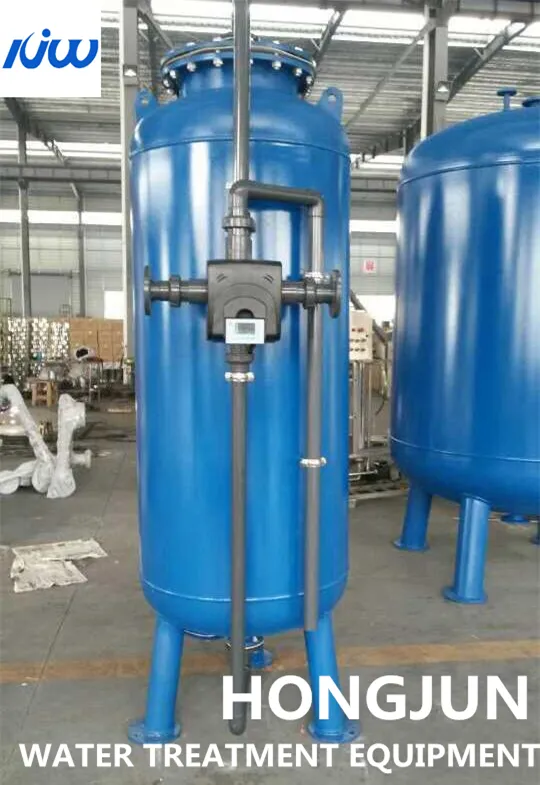
Clean water is something we often take for granted, but when it comes to ensuring its quality, many of us face a common frustration: the presence of unwanted minerals and contaminants. I’ve been there, standing in the kitchen, wondering why my tap water doesn’t taste as fresh as I’d like. The solution? Understanding the secret ingredient: ion exchange.
Let’s break it down.
Identifying the Problem
Many households deal with hard water, which contains high levels of calcium and magnesium. You might notice it in the form of scale buildup on faucets or that your soap doesn’t lather as it should. These minerals can affect not only the taste of your water but also the efficiency of your appliances.
What is Ion Exchange?
So, what’s this ion exchange I keep mentioning? Essentially, it’s a process that removes unwanted ions from water and replaces them with more desirable ones. In simple terms, think of it as a trade-off. The system uses resin beads that attract the hard minerals, swapping them out for sodium or potassium ions.
How It Works
Water Flow: Water enters the ion exchange system, flowing through a tank filled with resin beads.
Ion Exchange: As the hard water passes through, calcium and magnesium ions cling to the resin, while sodium or potassium ions are released into the water.
Regeneration: Eventually, the resin beads become saturated with the hard minerals. At this point, a regeneration process occurs, where a salt solution flushes the beads, restoring their effectiveness.
Benefits of Ion Exchange
Using an ion exchange system can lead to several benefits. You’ll likely notice improved taste and odor of your water, reduced scale buildup in appliances, and even softer skin after showering. Plus, this method is environmentally friendly compared to chemical treatments.
Conclusion
In my experience, switching to an ion exchange system has made a significant difference in my home. If you’re tired of dealing with hard water issues, consider this effective solution. Clean, great-tasting water is just a trade away!
Why Ion Exchange Devices Are Essential for Your Business
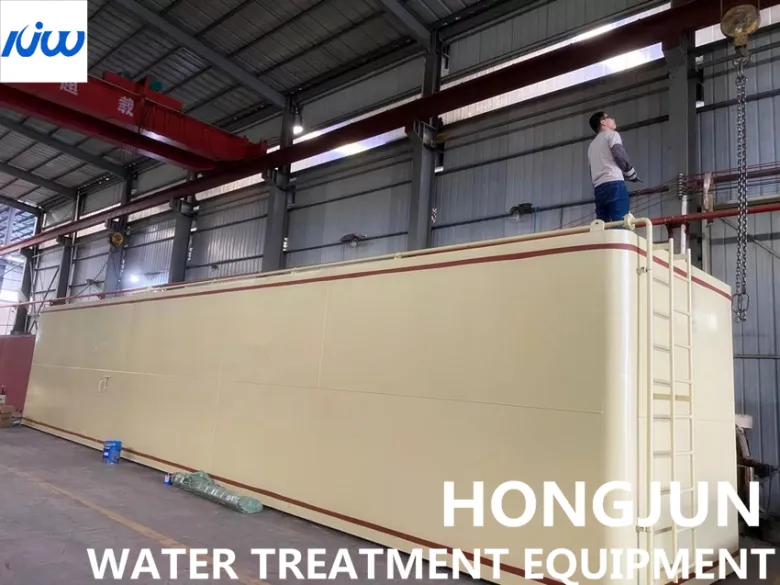
In today’s fast-paced business world, ensuring efficiency and quality in operations is crucial. One common challenge I’ve encountered is managing water quality, especially when it comes to processes that rely on pure water. This is where ion exchange devices come into play, and trust me, they are essential for any business that values operational excellence.
Let’s break it down.
Understanding the Pain Point
Imagine running a manufacturing plant where even a tiny impurity in water can compromise product quality. I’ve been there, and it’s frustrating. You may find yourself dealing with costly reworks, unhappy customers, and a tarnished reputation. This is not just a headache; it’s a significant threat to your bottom line.
The Solution: Ion Exchange Devices
So, how can we tackle this issue? Here’s where ion exchange devices shine. They effectively remove unwanted ions from water, replacing them with more desirable ones. This process ensures that the water used in your operations meets the highest standards.
Steps to Implement Ion Exchange Devices
Assess Your Water Quality Needs: Start by analyzing your current water quality. Identify the specific impurities that could affect your processes.
Choose the Right Device: Not all ion exchange devices are created equal. Depending on your needs, you may require a specific type, such as a softener or deionizer.
Integrate into Your System: Work with a professional to seamlessly integrate the device into your existing water system. This step is crucial to avoid disruptions in your operations.
Regular Maintenance: Once installed, regular maintenance is key. Schedule routine check-ups to ensure the device operates efficiently and continues to meet your water quality standards.
Monitor and Adjust: Keep an eye on the water quality post-installation. Adjust the system as necessary to adapt to any changes in your operational demands.
Conclusion
In my experience, investing in ion exchange devices pays off in the long run. Not only do they enhance product quality, but they also save you from the headaches of dealing with water-related issues. If you’re serious about maintaining high standards in your business, these devices are not just an option; they are a necessity.
By addressing the water quality challenge with the right solutions, you can focus on what you do best—growing your business and delighting your customers.
Pure Water Solutions: The Benefits of Ion Exchange Technology
Water quality is a concern for many of us. Whether it’s the taste, odor, or the presence of contaminants, we all want clean, safe drinking water. I’ve been there, staring at a glass of water, wondering what’s lurking inside. That’s where ion exchange technology comes into play.
So, what exactly is ion exchange? In simple terms, it’s a process that removes unwanted ions from water and replaces them with more desirable ones. Think of it as a friendly swap; bad ions out, good ions in. This technology is particularly effective for softening water, removing heavy metals, and even eliminating certain harmful substances.
Let’s break down the benefits:
Improved Taste and Odor: One of the first things I noticed after using ion exchange systems was the difference in taste. No more metallic or chlorine-like flavors! Just pure, refreshing water that I actually enjoy drinking.
Reduced Hardness: Hard water can wreak havoc on appliances and plumbing. With ion exchange, the minerals that cause hardness, like calcium and magnesium, are reduced. This means longer-lasting appliances and fewer plumbing issues. Trust me, my dishwasher thanks me for this!
Healthier Water: Many ion exchange systems can effectively remove harmful contaminants, including lead and other heavy metals. Knowing that my family is drinking cleaner water gives me peace of mind.
Cost-Effective: While there’s an initial investment in the system, the long-term savings on bottled water and appliance repairs can be significant. Plus, who doesn’t love saving a few bucks?
Now, if you’re considering making the switch, here’s a simple guide:
- Research: Look for reputable brands that offer ion exchange systems. Read reviews and check ratings.
- Consult an Expert: Sometimes, it’s best to get professional advice tailored to your water quality needs.
- Installation: Whether you choose a whole-house system or a point-of-use filter, ensure proper installation for optimal performance.
- Maintenance: Regularly check and replace the resin in your ion exchange system to keep it functioning effectively.
In conclusion, adopting ion exchange technology has transformed my water quality experience. It’s not just about drinking; it’s about enjoying every sip without worry. If you’re facing water quality issues, consider this technology. You might just find yourself raising a glass to cleaner, better-tasting water!
Want to learn more? Feel free to contact Candie Liang: hongjun@hjwater.cn/WhatsApp ++8618823149433.
References
Smith J. 2022 The Importance of Water Purification Technologies
Johnson L. 2021 Understanding Ion Exchange and Its Benefits
Brown T. 2020 Effective Solutions for Hard Water Problems
Davis R. 2023 The Role of Ion Exchange in Water Quality Management
Wilson A. 2022 Innovations in Water Treatment Systems
Taylor M. 2021 A Comprehensive Guide to Water Filtration Methods
