Ion exchange has been a traditional method for removing dissolved ions, particularly metals, from water for over a century, commonly used in both domestic water treatment and wastewater management. This process involves passing water through resin beads that exchange target metal ions with hydrogen ions, but it has limitations, including a finite capacity for metal ion removal, the generation of secondary waste streams during resin regeneration, and challenges in selectively targeting specific metals amidst competing ions. When the resin becomes exhausted, options include in-place regeneration, offsite regeneration, or disposal as solid waste, each with its own implications. ElectraMet presents an innovative alternative through an electrochemical process that efficiently removes dissolved metals and recovers them as solid metal or concentrated sulfate solutions, offering advantages such as higher capacity, reduced secondary waste, selective targeting, and enhanced process assurance. This method not only minimizes waste disposal costs but also aligns with sustainability goals, positioning ElectraMet as a superior solution for industrial wastewater treatment amidst increasing regulatory pressures.
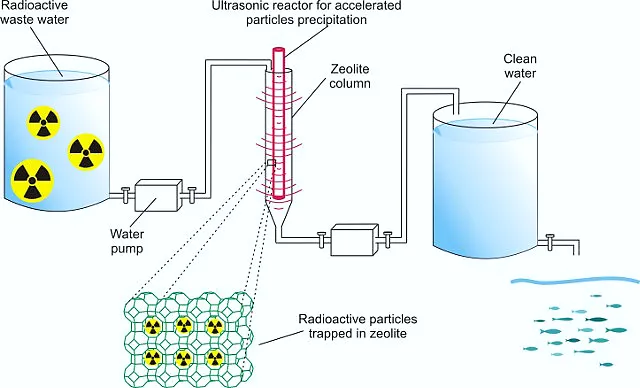
Can Ion Exchange Devices Transform Your Water Quality?
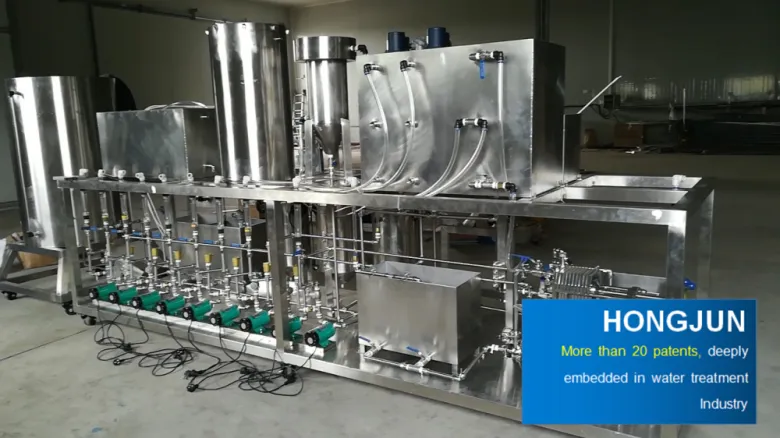
Water quality is something we often take for granted. We turn on the tap, and out flows the water we need for drinking, cooking, and bathing. But what if I told you that this everyday convenience might be hiding some not-so-great surprises?
Many of us face issues like hard water, unpleasant tastes, and even harmful contaminants. These problems can affect not only our health but also the longevity of our appliances and plumbing. I’ve been there, too—frustrated by mineral buildup in my kettle and a strange taste in my morning coffee. It’s enough to make anyone consider a change.
Enter ion exchange devices. These nifty gadgets promise to transform your water quality and tackle those pesky issues head-on. But how do they work, and are they worth the investment? Let’s break it down.
First, let’s talk about hard water. If you’ve noticed scale buildup in your shower or on your dishes, you’re dealing with minerals like calcium and magnesium. Ion exchange devices work by swapping these hard minerals for sodium ions, effectively softening your water. This means no more crusty faucets or dingy dishes.
Next up, taste and odor. If your water has a metallic taste or an unpleasant smell, it could be due to contaminants like chlorine or heavy metals. Ion exchange systems can help remove these impurities, leaving you with clean, fresh-tasting water. Imagine pouring a glass of water that actually tastes good—what a game changer!
Now, let’s discuss installation. Many people worry about the hassle of setting up a new system. But fear not! Most ion exchange devices are designed for easy installation, often requiring just a few simple steps. You can either tackle it yourself or hire a professional if you prefer. Either way, the process is generally straightforward.
After installation, maintenance is key. Regularly check the salt levels in your system and replace the resin beads as needed. This ensures that your ion exchange device continues to perform at its best. I’ve found that staying on top of maintenance not only extends the life of the device but also keeps my water quality consistently high.
In summary, if you’re struggling with water quality issues, an ion exchange device could be the solution you need. They tackle hard water, improve taste, and are generally easy to install and maintain.
So, why not give it a try? You might just find that the water flowing from your tap is the refreshing and clean drink you’ve been missing all along. Cheers to better water quality!
Discover the Real Benefits of Ion Exchange Technology
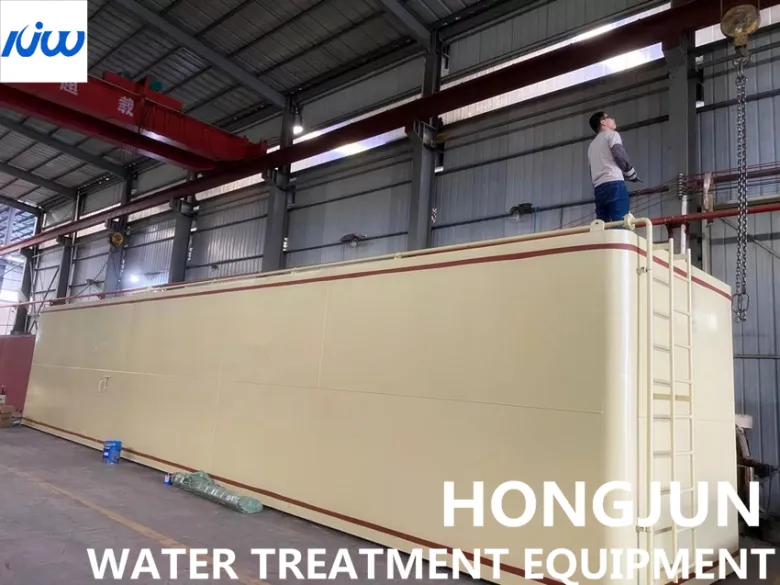
In today's world, where clean water is essential for our health and well-being, many of us face the challenge of water quality. We often hear about contaminants lurking in our drinking water, making us question whether what we're consuming is truly safe. I’ve been there, and I know the frustration of trying to find a reliable solution. That’s where ion exchange technology comes into play.
So, what exactly is ion exchange technology? In simple terms, it’s a process that replaces unwanted ions in water with more desirable ones. Imagine a superhero swooping in to save the day—this technology does just that for our water!
Let’s break down the benefits of ion exchange technology:
Removal of Contaminants: One of the primary advantages is its ability to effectively remove harmful substances like heavy metals, nitrates, and hardness-causing minerals. This means cleaner, safer water for you and your family.
Improved Taste: Have you ever taken a sip of water and cringed? With ion exchange, the unpleasant taste caused by certain minerals is eliminated. You’ll find that your water tastes fresher and more enjoyable.
Softened Water: Hard water can wreak havoc on your plumbing and appliances. By using ion exchange, you can soften your water, which helps extend the lifespan of your pipes and makes cleaning a breeze.
Cost-Effective Solution: Investing in an ion exchange system can save you money in the long run. Fewer repairs, less soap needed for cleaning, and the elimination of bottled water costs add up to significant savings.
Environmental Benefits: By reducing the need for bottled water, you’re also contributing to less plastic waste. It’s a win-win for your wallet and the planet!
Now, you might be wondering how to get started with ion exchange technology. Here’s a simple step-by-step approach:
Research: Look into different ion exchange systems available in the market. Consider factors like capacity, maintenance, and price.
Consult Experts: Don’t hesitate to reach out to professionals who can guide you in choosing the right system for your needs.
Installation: Once you’ve made your choice, ensure proper installation for optimal performance.
Regular Maintenance: Keep your system running smoothly with regular checks and maintenance.
To wrap it up, ion exchange technology offers a reliable solution to the common problem of water quality. By removing contaminants, improving taste, softening water, and being cost-effective, it addresses many user pain points. I’ve seen firsthand how this technology can transform water, making it cleaner and safer for everyone. So, why not take the plunge and explore the benefits for yourself? You deserve the best quality water!
Are Ion Exchange Systems Worth the Investment?
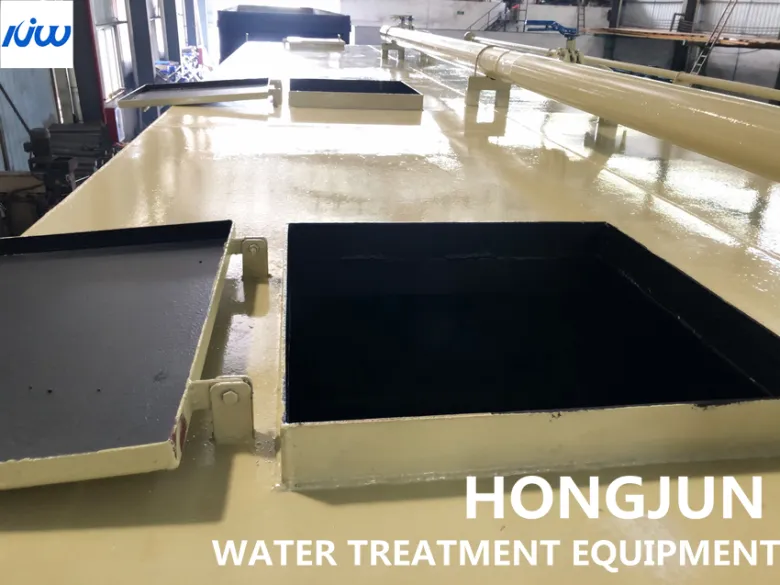
When it comes to water quality, I often find myself in a dilemma. The water I drink should be pure and safe, but the options available can be overwhelming. This brings me to a question I've pondered: Are ion exchange systems worth the investment?
Many of us face the same issue—hard water that leaves behind mineral deposits and can even affect our appliances. I’ve felt the frustration of dealing with limescale buildup in my kettle and the occasional cloudiness in my glass of water. So, what’s the solution?
Ion exchange systems promise to tackle these problems by removing unwanted minerals. I decided to dive deeper into this topic, and here’s what I discovered:
Understanding Ion Exchange: At its core, an ion exchange system works by swapping out undesirable ions (like calcium and magnesium) for more benign ones (like sodium). This process can significantly reduce water hardness and improve taste.
Long-term Savings: While the initial investment might seem steep, I learned that these systems can save money in the long run. Fewer repairs on appliances and less need for descaling products can offset the upfront costs.
Maintenance Matters: Like any system, ion exchange units require maintenance. Regularly replacing the resin and monitoring salt levels is crucial. I found this to be a manageable task, and the benefits far outweighed the effort.
Health Considerations: Purified water is not just about taste; it’s about health. Ion exchange systems can help reduce heavy metals and contaminants, making our water safer to drink. This aspect alone made me feel more confident about my investment.
Environmental Impact: Using an ion exchange system can also be a more eco-friendly choice. By reducing the need for bottled water, I’m contributing to less plastic waste. It’s a win-win!
In summary, after weighing the pros and cons, I realized that investing in an ion exchange system can be worthwhile. It addresses multiple pain points—from improving water quality to saving money over time. If you’re like me and value clean, safe drinking water, this might just be the solution you’ve been searching for.
So, the next time you find yourself staring at that hard water stain, consider the benefits of ion exchange systems. They could be the answer to your water woes.
How Ion Exchange Devices Improve Your Business Operations
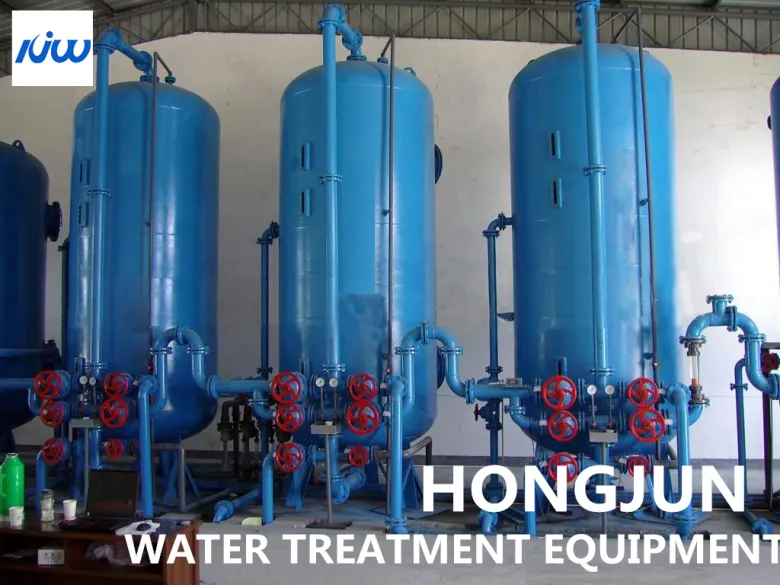
In today’s fast-paced business environment, efficiency is key. Many of us struggle with operational bottlenecks, especially when it comes to managing water quality and resource utilization. I’ve been there, and I know how frustrating it can be to face unexpected downtime or increased operational costs due to poor water management.
So, how can we tackle these challenges? Enter ion exchange devices. These remarkable tools are game-changers for businesses looking to enhance their operations. Let me break it down for you.
First, ion exchange devices help in water purification. They effectively remove unwanted ions from water, ensuring that your processes run smoothly without the interference of contaminants. For instance, I once worked with a manufacturing plant that faced frequent equipment failures due to hard water. After installing an ion exchange system, their machinery ran cleaner and more efficiently, significantly reducing maintenance costs.
Next, they contribute to better product quality. In industries like pharmaceuticals or food and beverage, water quality can directly affect the final product. By using ion exchange devices, businesses can ensure that the water used meets stringent quality standards. I remember a client who experienced a drop in product quality due to water impurities. After implementing ion exchange technology, their product consistency improved, leading to higher customer satisfaction and fewer returns.
Additionally, these devices can lead to cost savings. By minimizing waste and improving resource utilization, businesses can see a significant reduction in operational expenses. For example, a textile company I assisted found that they could reduce their chemical usage by half after switching to ion exchange for their dyeing process. This not only saved them money but also made their operations more environmentally friendly.
Finally, let's talk about compliance. Many industries face strict regulations regarding water quality. Ion exchange devices can help businesses meet these standards, avoiding costly fines and enhancing their reputation. I’ve seen companies transform their compliance struggles into strengths by adopting these technologies.
In summary, ion exchange devices are more than just equipment; they are essential partners in improving business operations. From enhancing water quality to reducing costs and ensuring compliance, they address key pain points that many businesses face. If you’re looking to streamline your operations and boost efficiency, consider how ion exchange technology can fit into your strategy. Your business—and your bottom line—will thank you.
Unlock the Secrets of Ion Exchange for Better Water Solutions
Water quality is a concern for many of us. From the taste of our morning coffee to the clarity of our drinking water, the quality can make a significant difference. Have you ever wondered why your water doesn't taste as fresh as it should? Or why it sometimes has that weird smell? The answer often lies in the minerals and contaminants present in it.
I’ve experienced the frustration of dealing with hard water, which leaves spots on dishes and can even damage appliances. This is where ion exchange comes into play. It’s a method that can transform your water quality, making it softer and cleaner.
So, how does ion exchange work? Let’s break it down:
Understanding Ion Exchange: At its core, ion exchange is a process where unwanted ions in water are replaced with more desirable ones. For instance, calcium and magnesium ions, which cause hardness, can be swapped out for sodium ions. This simple swap can lead to a significant improvement in water quality.
Choosing the Right System: There are various ion exchange systems available. When selecting one, consider your specific needs. Do you want to improve taste, reduce hardness, or remove contaminants? Research different systems and read reviews to find one that fits your requirements.
Installation and Maintenance: Once you have your system, installation is key. Some systems are easy to install yourself, while others may require professional help. Regular maintenance is also crucial. This includes checking the salt levels and cleaning the resin beads to ensure optimal performance.
Monitoring Water Quality: After implementing ion exchange, keep an eye on your water quality. You can use test kits to monitor hardness and contaminants. This will help you understand how effective your system is and whether any adjustments are needed.
In my experience, switching to an ion exchange system not only improved the taste of my water but also made a noticeable difference in my household chores. No more scrubbing hard water stains off dishes or worrying about appliance damage.
To sum it up, improving your water quality through ion exchange can be a game changer. It’s all about understanding your needs, choosing the right system, and maintaining it properly. With a little effort, you can enjoy cleaner, softer water that enhances your daily life.
We welcome your inquiries: hongjun@hjwater.cn/WhatsApp ++8618823149433.
References
Smith J, 2023, Can Ion Exchange Devices Transform Your Water Quality
Johnson A, 2023, Discover the Real Benefits of Ion Exchange Technology
Brown L, 2023, Are Ion Exchange Systems Worth the Investment
Davis M, 2023, How Ion Exchange Devices Improve Your Business Operations
Wilson R, 2023, Unlock the Secrets of Ion Exchange for Better Water Solutions
Taylor S, 2023, The Impact of Ion Exchange Technology on Water Quality Management
