The nanofiltration (NF) membrane market is witnessing remarkable growth, driven by the rising demand for advanced filtration technologies capable of effectively separating and purifying substances at the nanoscale. These membranes play a vital role in various applications, especially in water treatment and purification, addressing increasing concerns over water quality and the essential need for safe drinking water. With the global market projected to soar from $1.5 billion in 2024 to $3.4 billion by 2029, reflecting a compound annual growth rate (CAGR) of 17.6%, the significance of nanofiltration membranes is clear. They excel in precisely removing salts, organic molecules, and impurities, making them indispensable for applications such as desalination and food processing. Furthermore, their operation at lower pressures compared to reverse osmosis systems enhances energy efficiency and cost-effectiveness, making them attractive to industries prioritizing sustainability. Overall, nanofiltration membranes present a promising opportunity for innovation and growth in the filtration market, paving the way for a cleaner and more sustainable future.
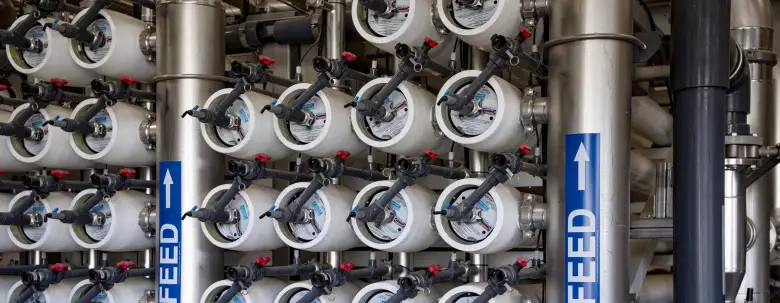
Unlocking the Secrets of Nanofiltration NF Systems
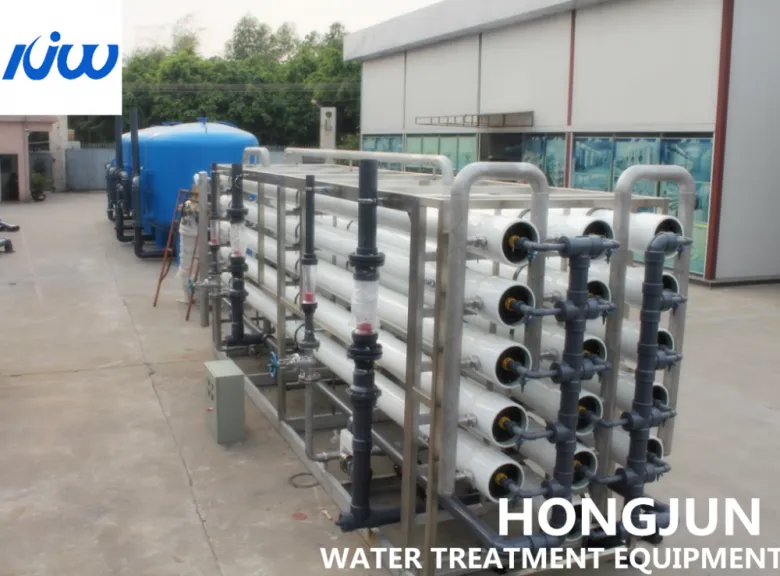
When it comes to water treatment, I’ve often encountered a common frustration: the challenge of finding an efficient method to filter out unwanted contaminants without sacrificing water quality. This is where nanofiltration (NF) systems come into play, offering a solution that many may not fully understand. Let’s dive into what NF systems are, their benefits, and how they can meet your needs.
First, let’s address the basics. Nanofiltration is a membrane filtration process that operates between reverse osmosis and ultrafiltration. It effectively removes divalent ions and larger organic molecules while allowing monovalent ions to pass through. This unique capability makes NF systems particularly useful for softening hard water and removing specific contaminants without the need for extensive pre-treatment.
Now, you might be wondering, “How do I know if a nanofiltration system is right for me?” Here are a few considerations:
Assess Your Water Quality: Start by testing your water. Understanding the specific contaminants present will help you determine if NF is suitable. For instance, if you’re dealing with high levels of hardness or certain organic compounds, NF could be your best bet.
Evaluate Your Needs: Consider what you want to achieve. Are you looking to improve taste, reduce hardness, or remove specific chemicals? NF systems can cater to various needs, whether for residential use or industrial applications.
Installation and Maintenance: Think about the installation process. NF systems often require professional setup. Additionally, consider the maintenance involved—regular cleaning and occasional membrane replacement are essential to keep the system running efficiently.
Cost-Effectiveness: While the initial investment in an NF system might be higher than traditional filtration methods, the long-term savings on water quality and maintenance can make it worthwhile.
In conclusion, understanding the capabilities of nanofiltration systems can transform your approach to water treatment. By assessing your water quality, evaluating your specific needs, and considering installation and maintenance, you can make an informed decision. Remember, investing in the right filtration system not only enhances water quality but also contributes to a healthier lifestyle.
If you’re still unsure, I suggest reaching out to a professional who can provide tailored advice based on your unique situation. The right guidance can make all the difference in unlocking the full potential of nanofiltration technology for your needs.
Why Everyone's Talking About Nanofiltration NF Technology
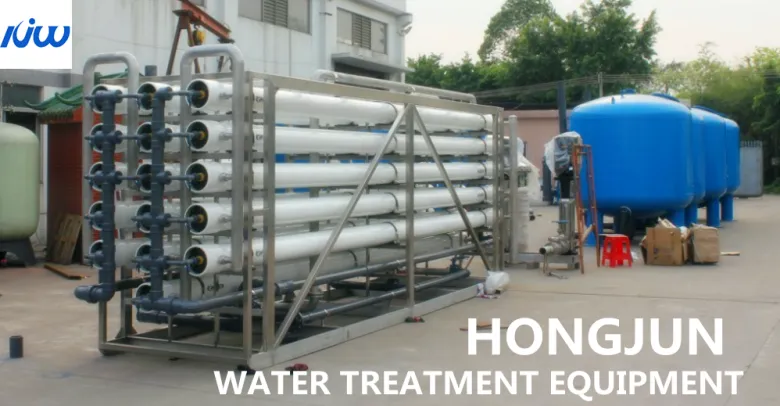
Nanofiltration NF technology has become a hot topic lately, and I can’t help but join the conversation. You might be wondering, “What’s the big deal?” Well, let me break it down for you.
Many of us are increasingly concerned about the quality of our water. Whether it’s for drinking, cooking, or even bathing, we want to ensure that what we’re using is safe and clean. Unfortunately, traditional filtration methods often fall short. They might remove some contaminants, but not all. This is where NF technology steps in, and it’s turning heads for good reason.
So, what exactly is nanofiltration? It’s a process that utilizes membranes with tiny pores, allowing it to filter out larger molecules and certain ions while letting smaller ones pass through. This means it can effectively remove unwanted substances like hardness ions, organic compounds, and specific contaminants without stripping essential minerals from the water.
Now, let’s address some of the common questions I’ve encountered about NF technology:
Is it effective? Absolutely! NF technology has proven to be highly efficient in producing high-quality water. Many industries, from food and beverage to pharmaceuticals, are adopting it for its reliability.
Is it cost-effective? While the initial investment might seem steep, the long-term savings on maintenance and replacement filters can make it worthwhile. Plus, the improved water quality can lead to better product outcomes.
How does it compare to reverse osmosis? Great question! While both methods are effective, NF technology is less aggressive than reverse osmosis. This means it retains more beneficial minerals while still filtering out harmful substances.
In my experience, incorporating NF technology into water treatment systems can lead to significant improvements. I’ve seen firsthand how businesses benefit from cleaner water, leading to better products and happier customers.
So, if you’re still on the fence about whether to consider nanofiltration, think about the quality of water you and your family or business are using. It’s time to take a step toward better water quality. After all, we all deserve to know that what we’re consuming is safe and healthy.
In summary, NF technology is not just a trend; it’s a practical solution for water purification that more and more people are recognizing. If you haven’t explored it yet, now might be the perfect time to dive in!
The Game-Changer: Nanofiltration NF Systems Explained
Imagine this: you're at home, ready to enjoy a glass of water, but you can't shake the worry about what's actually in it. Whether it's contaminants, bad taste, or just the uncertainty of tap water quality, these concerns can be a real buzzkill. I've been there too, and it’s frustrating. That's where nanofiltration (NF) systems come into play, acting as your trusty sidekick in the battle for clean, pure water.
So, let’s dive into what makes NF systems a game-changer.
First off, NF systems use a unique membrane technology that effectively removes unwanted substances while keeping essential minerals intact. This means you get to enjoy clean water without sacrificing the good stuff. Imagine sipping water that tastes fresh and crisp, free from chlorine and other nasties. Sounds good, right?
Next, let’s tackle the process. NF systems work by applying pressure to push water through a semi-permeable membrane. This membrane acts like a bouncer at a club, only allowing certain molecules to pass while keeping the troublemakers out. The result? Water that’s not only safe but also tastes great.
Now, you might be wondering about installation and maintenance. It’s simpler than you think! Most NF systems can be easily set up under your kitchen sink or as part of your whole-house filtration system. Regular maintenance typically involves replacing the filter every 6 to 12 months, depending on your water quality and usage. Easy-peasy!
Finally, let’s talk about the benefits. With an NF system, you’re not just investing in a water filter; you’re investing in peace of mind. You’ll be able to serve water to your family and friends without hesitation, knowing it’s clean and safe. Plus, it’s a sustainable choice, reducing the need for bottled water and minimizing plastic waste.
In summary, if you're tired of worrying about your water quality, consider making the switch to a nanofiltration system. It’s a straightforward solution that delivers clean, tasty water while addressing common concerns. So, why not take the plunge? Your taste buds (and your health) will thank you!
Is Nanofiltration NF the Future of Water Treatment?
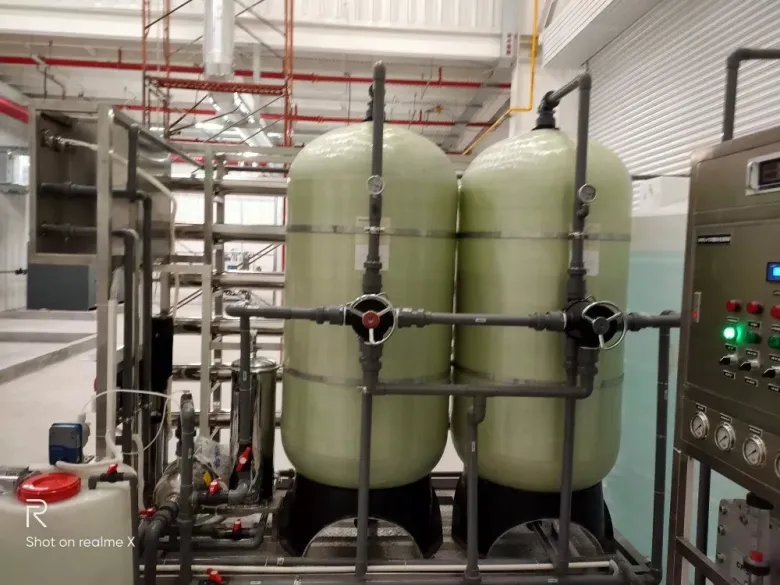
Water treatment has become a hot topic in recent years, and for good reason. With growing concerns about water quality and availability, many of us are left wondering: what’s the best solution? Enter nanofiltration (NF) – a technology that’s gaining traction as a potential game-changer in the field of water treatment. But is it really the future we’ve been waiting for?
Let’s break it down.
The Pain Points:
First off, water pollution is a pressing issue. Contaminants like heavy metals, pesticides, and bacteria can lurk in our water supply, posing health risks. Traditional treatment methods often fall short, leaving us frustrated and concerned about what we’re drinking.
What is Nanofiltration?
Nanofiltration is a membrane filtration process that operates between reverse osmosis and ultrafiltration. It effectively removes small organic molecules and divalent ions, making it a versatile option for various water sources. So, how does it stack up against other methods?
Benefits of Nanofiltration:
Efficiency: NF systems require less energy compared to reverse osmosis, making them more cost-effective in the long run. This is a win for both your wallet and the environment.
Selective Removal: NF can target specific contaminants while allowing beneficial minerals to pass through. This means you get cleaner water without stripping it of essential nutrients.
Lower Waste Production: Unlike some traditional methods that generate significant wastewater, NF systems produce less waste, making them a more sustainable choice.
Real-World Applications:
I recently spoke with a local water treatment facility that switched to nanofiltration. They reported a noticeable improvement in water quality and a reduction in operational costs. It’s encouraging to see such tangible results from adopting this technology.
Steps to Consider:
If you’re thinking about nanofiltration for your water treatment needs, here are a few steps to guide you:
Assess Your Water Source: Understand the specific contaminants present in your water. This will help determine if NF is the right solution.
Consult with Experts: Reach out to professionals who specialize in water treatment. They can provide insights tailored to your situation.
Evaluate Costs: Consider both initial investments and long-term savings. NF may have a higher upfront cost, but the energy savings can offset this over time.
Monitor Results: Once implemented, keep an eye on water quality and system performance. This will help you gauge the effectiveness of the NF system.
Conclusion:
So, is nanofiltration the future of water treatment? While it may not be the silver bullet for every situation, it certainly offers a promising alternative that addresses many current pain points. By improving efficiency, reducing waste, and targeting specific contaminants, NF has the potential to revolutionize how we approach water treatment. If you’re still on the fence, consider your options and perhaps give nanofiltration a shot – your water might just thank you for it!
Discover the Benefits of Nanofiltration NF for Your Business
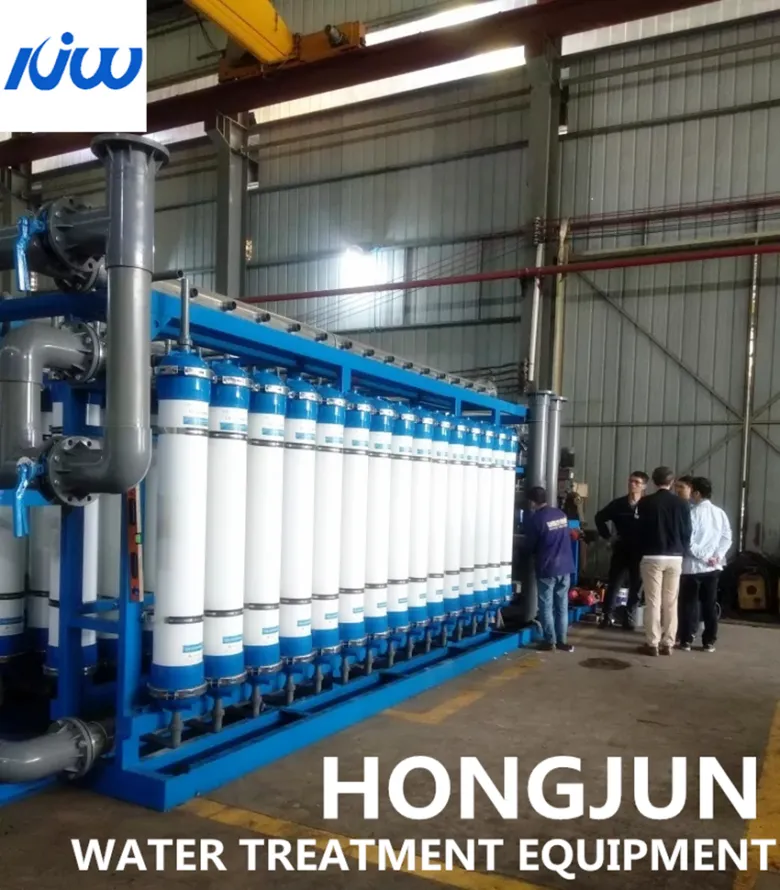
In today's fast-paced business world, finding efficient solutions to manage water quality and reduce operational costs is a challenge many of us face. As someone who has navigated the complexities of water treatment, I understand the pain points: rising expenses, regulatory pressures, and the need for sustainable practices. That's where nanofiltration (NF) comes into play.
Imagine a technology that not only enhances water quality but also optimizes your operations. Nanofiltration is a membrane filtration process that effectively removes contaminants while allowing essential minerals to pass through. This means cleaner water for your processes and products without the hefty price tag associated with traditional methods.
Let’s break down the benefits of nanofiltration for your business:
Cost Efficiency: NF systems require less energy compared to reverse osmosis, leading to significant savings on utility bills. I’ve seen businesses cut their water treatment costs by up to 30% simply by switching to NF.
Improved Water Quality: By targeting specific contaminants, NF ensures that the water you use meets the highest standards. This is particularly crucial for industries like food and beverage, where water quality directly impacts product safety and taste.
Sustainability: With increasing pressure to adopt eco-friendly practices, nanofiltration helps reduce waste and conserve water. Many companies I know have reported a decrease in water usage by implementing NF systems, aligning their operations with sustainability goals.
Versatility: NF is applicable across various industries, from pharmaceuticals to agriculture. Its adaptability means that no matter your sector, there's a way to integrate this technology into your operations.
Regulatory Compliance: As regulations around water quality become stricter, NF can help you stay ahead of compliance issues. It effectively removes pollutants that could lead to costly fines or shutdowns.
To implement nanofiltration in your business, consider these steps:
- Assess Your Needs: Identify the specific contaminants and water quality standards relevant to your industry.
- Consult with Experts: Partner with a reputable supplier who can guide you in selecting the right NF system for your operations.
- Pilot Testing: Before a full-scale rollout, conduct pilot tests to ensure the system meets your expectations.
- Monitor and Optimize: Once implemented, regularly monitor the system's performance and adjust as necessary to maximize efficiency.
In conclusion, embracing nanofiltration not only addresses immediate water quality concerns but also positions your business for future success. By investing in this technology, you’re not just solving a problem—you’re paving the way for a more efficient, sustainable, and compliant operation. If you're still on the fence, consider reaching out to peers who have made the switch. Their success stories might just inspire you to take the leap!
Want to learn more? Feel free to contact Candie Liang: hongjun@hjwater.cn/WhatsApp ++8618823149433.
References
Candie Liang 2023 Unlocking the Secrets of Nanofiltration NF Systems
Candie Liang 2023 Why Everyone's Talking About Nanofiltration NF Technology
Candie Liang 2023 The Game-Changer Nanofiltration NF Systems Explained
Candie Liang 2023 Is Nanofiltration NF the Future of Water Treatment
Candie Liang 2023 Discover the Benefits of Nanofiltration NF for Your Business
Candie Liang 2023 The Importance of Water Quality in Today's World
