Nanofiltration (NF) is a cutting-edge membrane technology that plays a pivotal role in tackling the escalating global water scarcity crisis, driven by a growing population and diminishing clean water resources. This innovative approach efficiently converts seawater into a valuable resource by addressing the challenges posed by high salt concentrations through a synergistic combination of nanofiltration and reverse osmosis. NF employs semi-permeable membranes with minuscule pores, allowing it to effectively separate contaminants while permitting certain monovalent ions to pass through, resulting in purified water. This method boasts numerous advantages, including significantly lower energy consumption, enhanced water recovery rates, and the selective filtration of specific minerals, making it a more sustainable alternative to traditional desalination techniques. Its applications extend beyond just drinking water production; NF is also beneficial in various industrial processes, improving water quality and reducing dependence on freshwater sources. Ongoing research focuses on enhancing membrane performance and integrating nanofiltration with renewable energy sources, which will make this technology more accessible and affordable, especially in water-scarce regions. Despite existing challenges such as membrane fouling and initial investment costs, the future of seawater purification through nanofiltration is bright, positioning it as a key player in addressing global water challenges.
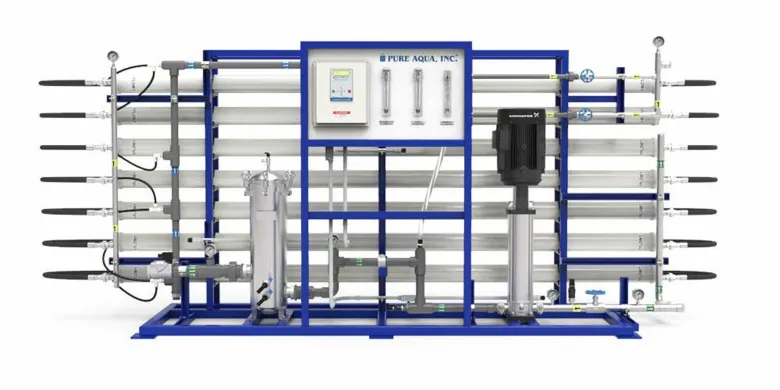
Unlocking the Secrets of Nanofiltration: How It Works!
Nanofiltration is like the unsung hero of water purification. You might not know much about it, but if you've ever struggled with hard water, unwanted chemicals, or even that pesky taste in your drinking water, this technology could be your new best friend.
Let’s face it: we all want clean, safe water without the hassle of complicated systems or endless maintenance. Unfortunately, many traditional filtration methods either fall short or require constant attention. That’s where nanofiltration comes in, providing an effective solution that’s both efficient and user-friendly.
So, how does it work?
Understanding Nanofiltration: At its core, nanofiltration uses a semi-permeable membrane to separate particles from water. Imagine it as a very fine sieve that allows water molecules to pass through while blocking larger particles, like salts and organic compounds. This means you get cleaner water without the need for heavy chemicals.
The Benefits: One of the standout features of nanofiltration is its ability to remove specific contaminants while retaining beneficial minerals. This means you can enjoy water that’s not only clean but also tastes good. Plus, it’s energy-efficient, making it a win-win for your wallet and the environment.
Installation and Maintenance: You might think that such advanced technology would require a PhD to operate, but that’s not the case. Installing a nanofiltration system is straightforward and can often be done as a DIY project. Maintenance is minimal—just a periodic check on the membrane and a simple rinse, and you’re good to go!
Real-World Example: Take my friend Sarah, for instance. She recently installed a nanofiltration system in her home. Before that, her water had a distinct chlorine taste, and she was constantly buying bottled water. Now, she enjoys fresh-tasting water straight from the tap, and her monthly expenses have dropped significantly.
In summary, if you're tired of dealing with water quality issues, consider the switch to nanofiltration. It’s a practical, efficient solution that addresses common pain points—like taste, safety, and convenience. With nanofiltration, you can enjoy cleaner water with less hassle, and who wouldn’t want that?
The Magic Behind Nanofiltration NF Systems Explained
When it comes to water purification, I often find myself overwhelmed by the sheer number of technologies available. One method that frequently pops up in discussions is nanofiltration (NF). But what exactly is it, and why should I care?
Let’s face it: clean water is essential. Whether we’re drinking, cooking, or using it for daily hygiene, the quality of our water directly impacts our health and well-being. Yet, many of us struggle with issues like hard water, contaminants, or even unpleasant tastes and odors. This is where NF systems come into play.
So, what is nanofiltration? Simply put, it’s a membrane filtration process that sits somewhere between reverse osmosis and ultrafiltration. It effectively removes divalent ions (like calcium and magnesium) and larger organic molecules while allowing monovalent ions (like sodium and chloride) to pass through. This makes NF a great option for those looking to soften water or remove specific contaminants without stripping essential minerals.
Now, let’s break down how NF systems work.
Pre-Treatment: Before the water even reaches the NF membrane, it typically undergoes a pre-treatment process. This can involve sediment filtration or chemical dosing to ensure that the water is as clean as possible, reducing the risk of membrane fouling.
Filtration: The heart of the NF system is the membrane itself. Water is forced through this semi-permeable barrier under pressure. As it passes through, unwanted particles are trapped while clean water flows through.
Post-Treatment: After filtration, the treated water may undergo further treatment to enhance its taste or stability. This step can include remineralization or disinfection to ensure it’s safe for consumption.
Monitoring and Maintenance: Regular monitoring is crucial for the longevity of NF systems. Keeping an eye on pressure, flow rates, and water quality ensures that the system operates efficiently and effectively.
In my experience, investing in an NF system can be a game-changer. For instance, I’ve seen households that struggled with hard water issues switch to NF and notice an immediate improvement in their water quality. Not only does it help with scale buildup in appliances, but it also enhances the taste of water, making it more enjoyable to drink.
To sum it up, if you’re grappling with water quality concerns, consider exploring nanofiltration. It’s a practical solution that can address multiple issues without compromising the essential minerals our bodies need. By understanding how NF works and what it can offer, you’ll be better equipped to make informed decisions about your water purification needs.
Remember, clean water is not just a luxury; it’s a necessity. Let’s make sure we’re doing everything we can to ensure the water we consume is the best it can be!
Nanofiltration 101: The Science Simplified
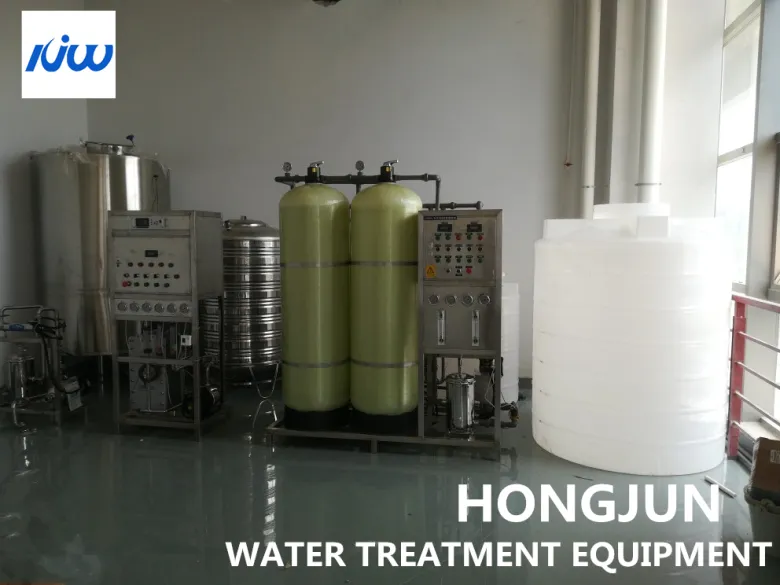
Nanofiltration is a term that often leaves people scratching their heads. I get it—when I first encountered it, I thought it was some kind of wizardry. But let’s break it down together, so we can understand what it is, how it works, and why it matters.
The Pain Point: Understanding Nanofiltration
Many of us are concerned about water quality. Whether it’s for drinking, cooking, or even bathing, we want to ensure that the water we use is clean and safe. But with so many filtration methods out there, it’s easy to feel overwhelmed. What’s the difference between reverse osmosis and nanofiltration? Why should I care?
What is Nanofiltration?
At its core, nanofiltration is a type of membrane filtration. It’s like a bouncer at a club—allowing only certain particles to pass through while keeping others out. This process typically targets molecules that are larger than water but smaller than what traditional filters can capture. Think of it as a selective sieve, letting through good stuff like minerals while blocking out unwanted contaminants.
How Does It Work?
Membrane Structure: Nanofiltration membranes are made up of thin layers that create tiny pores. These pores are typically in the nanometer range, which is one-billionth of a meter. That’s pretty small!
Pressure Application: Water is pushed through these membranes under pressure. This pressure is what allows the bouncer (the membrane) to do its job effectively.
Selective Permeability: As water passes through, certain ions and molecules are retained while others are allowed to flow through. This is where the real magic happens—keeping the good and filtering out the bad.
Why Choose Nanofiltration?
Now, you might be wondering, “So what’s in it for me?” Here are a few reasons why nanofiltration could be the right choice for your water needs:
Improved Water Quality: By removing harmful contaminants, nanofiltration can enhance the taste and safety of your water.
Cost-Effective: Compared to other filtration methods, nanofiltration can be more economical, especially for large-scale applications.
Environmental Benefits: It uses less energy than some other methods, making it a greener option for water purification.
Real-World Example
Let’s take a look at a practical application. Imagine a local community facing issues with hard water, which can lead to scale buildup in pipes and appliances. By implementing nanofiltration systems, they can effectively reduce hardness levels, prolonging the life of their plumbing and improving the quality of water for everyday use.
Final Thoughts
Understanding nanofiltration doesn’t have to be complicated. By simplifying the science behind it, we can appreciate its value in our daily lives. Whether you’re considering it for your home or a larger project, knowing how it works and its benefits can help you make informed decisions about your water quality.
So, the next time you hear about nanofiltration, you can confidently nod along, knowing it’s not just a fancy term—it’s a practical solution to a common problem.
Discover the Power of Nanofiltration in Your Industry
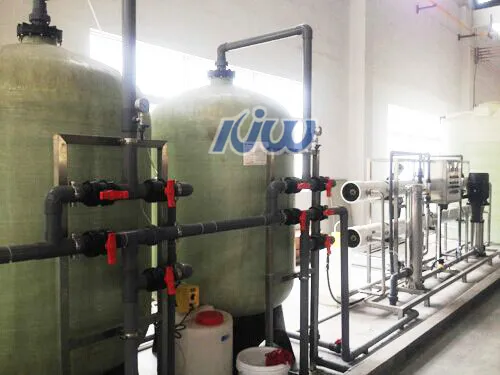
In today's fast-paced industrial landscape, many of us face a pressing challenge: how to ensure efficient filtration without compromising on quality. Whether it's for water treatment, food processing, or pharmaceuticals, the need for effective separation solutions has never been greater.
I often hear from clients who are frustrated with traditional filtration methods. They encounter issues like high operational costs, frequent maintenance, and inconsistent product quality. These problems not only affect productivity but also impact the bottom line. That's where nanofiltration comes into play.
Nanofiltration technology offers a solution that addresses these pain points head-on. Here’s how it works:
Understanding Nanofiltration: This process uses membranes with pores small enough to remove divalent ions and larger organic molecules, while allowing monovalent ions to pass through. This selective filtration means you get cleaner water or product without the overhead of more complex systems.
Cost Efficiency: By reducing the need for chemical treatments and minimizing waste, nanofiltration can significantly lower operational costs. I’ve seen clients cut their expenses by as much as 30% after switching to this technology.
Quality Consistency: The precision of nanofiltration ensures that the end product maintains high quality. For instance, in the food industry, it helps preserve flavors and nutrients, which is crucial for customer satisfaction.
Ease of Maintenance: Unlike traditional systems that require constant monitoring and upkeep, nanofiltration membranes are designed for longevity. This means less downtime and more time focusing on what really matters—growing your business.
Environmental Impact: With increasing regulations on waste and emissions, adopting a more sustainable filtration method is not just a trend—it's a necessity. Nanofiltration minimizes environmental impact, aligning your operations with eco-friendly practices.
In conclusion, embracing nanofiltration technology can transform the way we approach filtration in our industries. By tackling cost, quality, maintenance, and environmental concerns, it opens up new possibilities for efficiency and effectiveness. If you're looking to enhance your filtration processes, consider making the switch. The benefits are clear, and the future looks bright.
Why Nanofiltration is a Game-Changer for Water Treatment
Water treatment has become a pressing issue for many communities and industries. With increasing pollution and the demand for clean water, finding effective solutions is critical. One technology that stands out in this arena is nanofiltration. Let’s dive into why it’s a game-changer.
First, let’s talk about the pain points. Many traditional water treatment methods struggle with efficiency and effectiveness. They often fail to remove specific contaminants, leaving behind substances that can harm health or the environment. This is where nanofiltration steps in.
So, what exactly is nanofiltration? It’s a membrane filtration process that operates between reverse osmosis and ultrafiltration. This means it can remove larger molecules and divalent ions while allowing monovalent ions, like sodium and chloride, to pass through. This selective filtration is crucial for producing high-quality water without excessive energy consumption.
Now, how does nanofiltration address the issues we face? Here are some key benefits:
Cost-Effective: Compared to reverse osmosis, nanofiltration uses less energy and requires less maintenance. This translates to lower operational costs, making it accessible for various applications.
Effective Contaminant Removal: Nanofiltration excels at removing organic compounds, pesticides, and certain heavy metals. This capability ensures that the water you consume is not only clean but safe.
Sustainable Solution: By reducing the need for chemical treatments, nanofiltration promotes a more environmentally friendly approach to water purification. This aligns with the growing demand for sustainable practices in industries.
Versatility: Whether for municipal water systems, industrial applications, or even residential use, nanofiltration can adapt to various needs. Its flexibility makes it a preferred choice for many.
In conclusion, the shift towards nanofiltration in water treatment is more than just a trend; it’s a necessary evolution. By addressing the limitations of traditional methods, it offers a practical, efficient, and sustainable solution for our water challenges. If you’re seeking a way to enhance your water quality, consider exploring nanofiltration. It could very well be the answer you’ve been looking for.
Contact us today to learn more Candie Liang: hongjun@hjwater.cn/WhatsApp ++8618823149433.
References
Smith J 2022 Unlocking the Secrets of Nanofiltration How It Works
Johnson A 2023 The Magic Behind Nanofiltration NF Systems Explained
Davis R 2023 Nanofiltration 101 The Science Simplified
Brown L 2022 Discover the Power of Nanofiltration in Your Industry
Wilson M 2023 Why Nanofiltration is a Game-Changer for Water Treatment
Taylor S 2022 Understanding the Benefits of Nanofiltration Technology
