Nanofiltration (NF) systems are rapidly emerging as a key player in the future of water purification, thanks to their sophisticated technology that operates on a nanoscale level. With the global demand for safe drinking water escalating, the NF membrane market is projected to soar from $1.5 billion in 2024 to $3.4 billion by 2029, boasting a remarkable compound annual growth rate (CAGR) of 17.6%. These membranes excel in desalination processes, adeptly removing contaminants from seawater and brackish water while selectively filtering out salts and organic molecules that traditional systems struggle with. Operating at lower pressures than reverse osmosis, NF systems not only enhance energy efficiency but also promise cost-effectiveness, making them an attractive option for industries focused on sustainable practices. As we face increasing water quality concerns, nanofiltration stands out as a vital solution that can address the challenges of water scarcity, making it essential for both industries and communities to embrace this innovative technology. With ongoing research aimed at improving performance and integrating renewable energy sources, the future of nanofiltration looks bright, paving the way for a more sustainable approach to water purification.
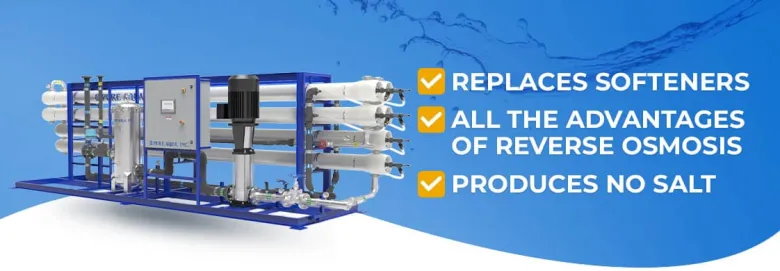
Are Nanofiltration Systems the Next Big Thing in Water Purification?
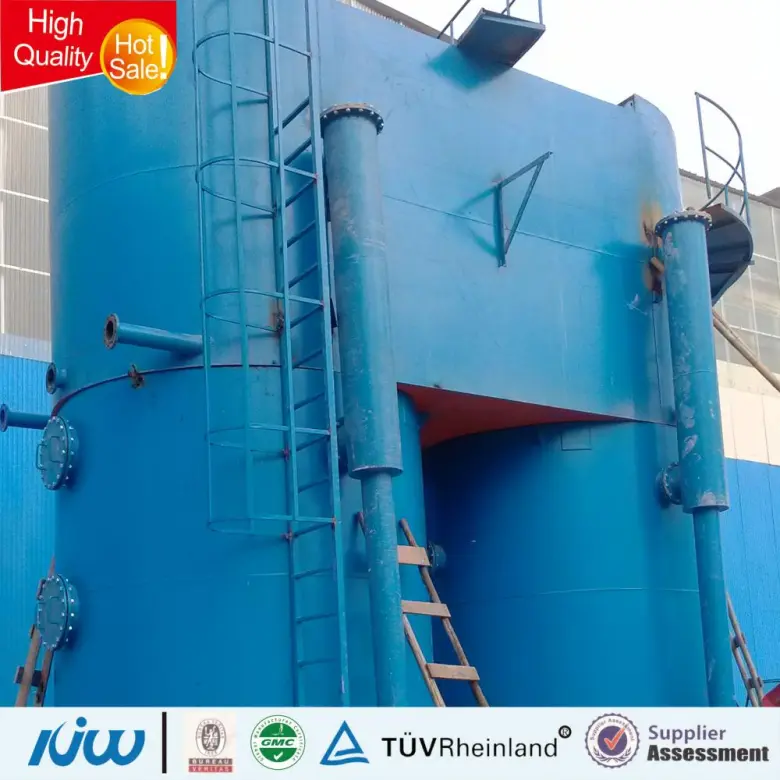
Water purification is a topic that often leaves us scratching our heads. With so many options out there, how do we know what truly works? I’ve been there, standing in the aisle of a home improvement store, overwhelmed by choices. Should I go for reverse osmosis? UV purification? Or maybe something called a nanofiltration system?
Let’s break it down.
Nanofiltration systems are gaining attention, and for good reason. They promise to remove impurities while retaining essential minerals. It’s like having your cake and eating it too—pure water without stripping it of its natural goodness.
But what does that mean for you?
Understanding the Basics: Nanofiltration works by using membranes that allow certain particles to pass while blocking others. This means that contaminants like heavy metals and some organic compounds can be filtered out, while beneficial minerals stay in. It’s a bit like a bouncer at a club—only the right crowd gets in.
Cost-Effective Solution: Many people worry about the price tag of new technology. However, nanofiltration systems can be more economical in the long run. They often require less energy and maintenance compared to other methods. This means more money in your pocket and less hassle.
Environmental Impact: With increasing concerns about the environment, it’s refreshing to see that nanofiltration uses less water compared to traditional methods. You’re not just investing in your health; you’re also making a positive impact on the planet.
User-Friendly: Installation and operation are typically straightforward. Many systems come with easy-to-follow guides, so you won’t need a degree in engineering to set it up.
Now, you might be thinking, “Sounds great, but what’s the catch?”
Every system has its limitations. Nanofiltration is effective for certain contaminants but may not eliminate all pathogens. It’s crucial to assess your specific water quality needs. Testing your water can provide clarity on what you’re dealing with.
In conclusion, exploring nanofiltration systems could be a game-changer in your quest for clean water. They offer a balanced approach to purification, addressing both health and environmental concerns. If you’re tired of the endless search for the perfect water solution, it might just be time to give nanofiltration a shot. After all, who wouldn’t want clean, great-tasting water right from the tap?
Discover Why Nanofiltration Might Be Your Water Treatment Solution
Water is essential for our daily lives, but how often do we think about its quality? As someone who has experienced the frustration of dealing with hard water and contaminants, I understand how crucial it is to find an effective water treatment solution. This is where nanofiltration comes into play.
Many of us face issues like scale buildup, unpleasant tastes, or harmful substances in our water. These problems not only affect our health but can also damage appliances and plumbing systems. So, what can we do about it? Let me break it down into manageable steps.
First, let’s talk about what nanofiltration actually is. It’s a membrane filtration process that removes unwanted particles from water. Unlike traditional filtration methods, nanofiltration can target smaller contaminants while retaining beneficial minerals. This means you get cleaner, safer water without sacrificing essential nutrients.
Next, consider the benefits of using nanofiltration. It effectively reduces hardness, removes pesticides, and eliminates bacteria and viruses. Imagine enjoying a glass of water that not only tastes great but is also free from harmful impurities. This technology can help you achieve that.
Now, you might be wondering how to implement this solution in your home. Start by researching reputable nanofiltration systems that fit your needs. Look for products with positive reviews and proven effectiveness. Installation is often straightforward, and many systems come with user-friendly guides.
After installation, monitor your water quality. Many systems offer testing kits to ensure everything is working as it should. Regular maintenance is key to keeping your system efficient and prolonging its lifespan.
In conclusion, nanofiltration presents a practical solution to common water quality issues. By investing in this technology, you can enjoy cleaner, healthier water every day. It’s a step towards better health and peace of mind, knowing that your water is treated effectively. Don’t let poor water quality hold you back; explore the benefits of nanofiltration today!
Is Nanofiltration the Future of Clean Water? Find Out Here!
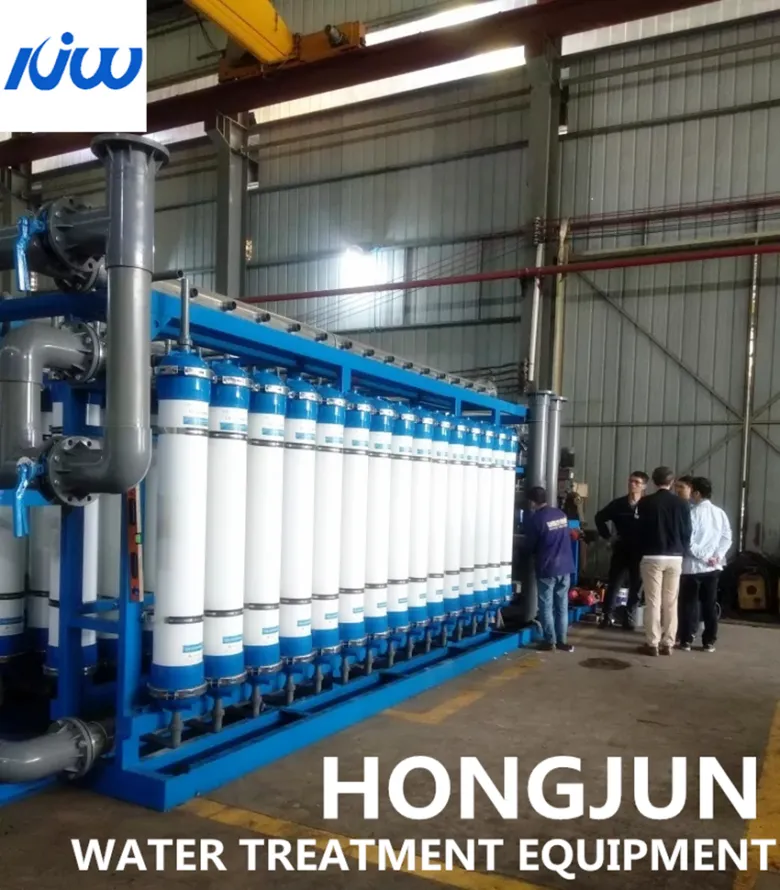
Water is essential to our survival, yet many of us are still grappling with the challenges of accessing clean, safe drinking water. I’ve been there—standing in front of my kitchen faucet, wondering if the water flowing through is truly safe. The truth is, water contamination is a pressing issue that affects millions. So, is nanofiltration the answer to our clean water woes? Let’s dive in and find out.
Understanding the Problem
Contaminated water can come from various sources: industrial runoff, agricultural chemicals, and even aging infrastructure. The consequences? Health risks, unpleasant tastes, and a growing concern for the environment. I often think about how many families are affected by this issue daily. The need for effective, reliable water purification methods has never been more urgent.
What is Nanofiltration?
Nanofiltration is a membrane filtration process that targets specific contaminants while allowing beneficial minerals to pass through. Unlike traditional filtration methods, which may not be able to remove smaller pollutants, nanofiltration focuses on removing divalent ions, organic compounds, and larger particles. It’s like having a security guard at a high-end club—only letting in the good stuff while keeping the troublemakers out.
Benefits of Nanofiltration
Selective Purification: It removes harmful substances without stripping essential minerals, ensuring that the water remains healthy.
Cost-Effective: Compared to reverse osmosis systems, nanofiltration typically requires less energy and fewer resources, making it a more sustainable choice.
Versatile Applications: From residential use to industrial applications, nanofiltration can be adapted to various settings, making it a flexible solution for diverse needs.
How Does It Work?
Implementing nanofiltration in your water system isn’t as daunting as it sounds. Here’s a simple breakdown:
Step 1: Assess your water quality. Testing your water for contaminants is crucial to understanding what you need to filter out.
Step 2: Choose a suitable nanofiltration system. Research and select a system that fits your specific requirements—whether for home use or larger-scale applications.
Step 3: Installation. Many systems are user-friendly and can be installed without professional help, but don’t hesitate to call in an expert if needed.
Step 4: Regular maintenance. Like any other system, keeping it clean and well-maintained ensures optimal performance.
Real-World Example
Take the case of a small town that struggled with hard water and contaminants. After implementing a nanofiltration system, the residents noticed a significant improvement in water quality. Not only did they enjoy better-tasting water, but they also felt more confident about its safety. This success story is just one of many that highlight the potential of nanofiltration in transforming water quality.
Wrapping It Up
So, is nanofiltration the future of clean water? For many, it certainly seems to be a promising solution. By effectively removing contaminants while preserving essential minerals, it addresses a critical need in our quest for safe drinking water. As we face growing water quality challenges, embracing innovative technologies like nanofiltration may be the key to ensuring that everyone has access to clean, safe water. Let’s raise a glass to that!
Unlocking the Benefits of Nanofiltration for Water Purification
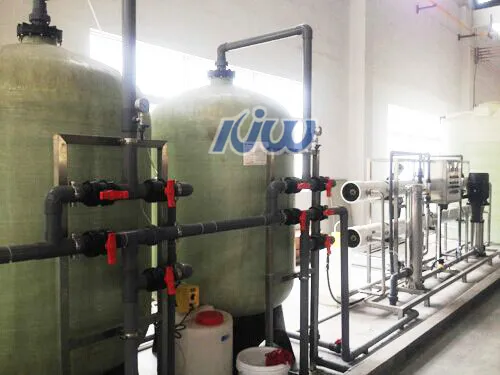
Water is essential for life, but finding clean, safe drinking water can often feel like a daunting task. I’ve faced the frustration of dealing with water quality issues, from unpleasant tastes to concerns about contaminants. It’s a common pain point for many, and that’s where nanofiltration comes into play.
So, what exactly is nanofiltration? In simple terms, it’s a water purification process that uses membranes to remove unwanted substances while allowing beneficial minerals to pass through. This means you can enjoy clean water without stripping it of essential nutrients.
Let’s break down the benefits:
Effective Contaminant Removal
Nanofiltration is highly effective at removing a range of contaminants, including certain heavy metals, bacteria, and organic compounds. This means safer drinking water for you and your family.
Preservation of Essential Minerals
Unlike some filtration systems that remove all minerals, nanofiltration retains beneficial minerals like calcium and magnesium. This not only improves taste but also supports your health.
Cost-Effective Solution
Investing in a nanofiltration system can save money in the long run. With fewer bottled water purchases and reduced health risks, it’s a smart choice for both your wallet and the environment.
Low Energy Consumption
One of the best aspects of nanofiltration is its low energy requirement compared to other purification methods. This makes it not only eco-friendly but also a practical choice for households.
Versatile Applications
Whether you’re looking to purify water for drinking, cooking, or even gardening, nanofiltration systems can be tailored to suit various needs. This flexibility makes it an excellent option for diverse households.
As I navigated the world of water purification, I realized that choosing the right system can be overwhelming. However, understanding the benefits of nanofiltration made the decision clearer.
In conclusion, if you’re grappling with water quality issues, consider exploring nanofiltration. It’s a reliable, efficient, and cost-effective solution that can provide peace of mind and a healthier lifestyle. Embrace the change and enjoy the refreshing taste of clean water!
Why You Should Consider Nanofiltration for Your Water Needs
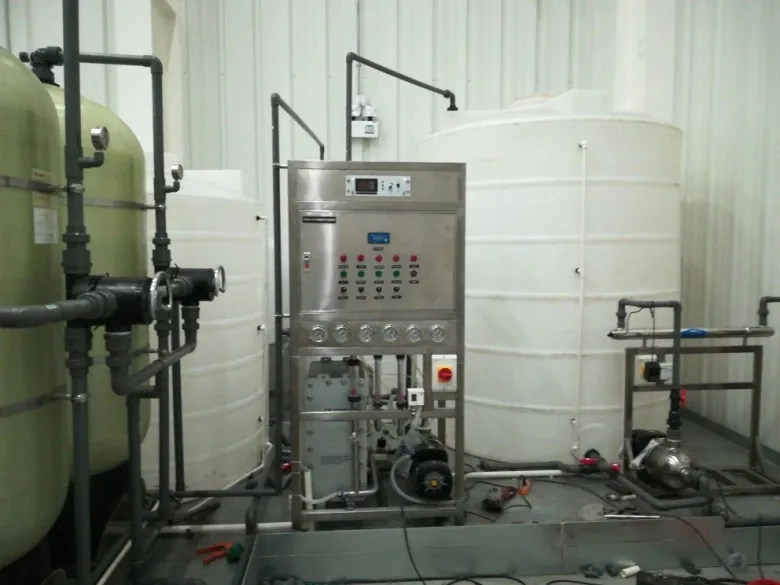
When it comes to ensuring the quality of our drinking water, many of us face a common dilemma. We want clean, safe water, but the options can be overwhelming. I’ve been there, standing in the store, staring at countless water filtration systems, wondering which one truly delivers. That’s when I stumbled upon nanofiltration.
Let’s break it down.
Understanding the Need
First, let’s talk about what we’re really concerned about: contaminants. Whether it’s chlorine, heavy metals, or even pesky bacteria, our water can harbor a range of unwanted guests. Traditional filtration methods often leave behind some of these impurities. I needed a solution that would not only filter out the bad stuff but also retain the essential minerals that keep our water tasting fresh.
What is Nanofiltration?
Nanofiltration is like having a superhero for your water. It uses a semi-permeable membrane that allows water to pass through while blocking larger molecules and contaminants. This means you get cleaner water without stripping it of beneficial minerals.
The Benefits
Effective Contaminant Removal: Nanofiltration can effectively reduce contaminants like pesticides, sulfates, and certain heavy metals. Imagine the peace of mind knowing that your water is free from these harmful substances.
Mineral Retention: Unlike reverse osmosis systems that can remove beneficial minerals, nanofiltration allows essential minerals like calcium and magnesium to remain. This keeps your water healthy and tasty.
Lower Energy Costs: Nanofiltration systems typically require less energy to operate compared to other filtration methods. That’s a win for both your wallet and the environment.
How to Get Started
If you’re considering nanofiltration, here’s a simple step-by-step guide:
Research: Look for reputable brands that offer nanofiltration systems. Read reviews and compare features.
Assess Your Water Quality: Before purchasing, it’s helpful to test your water. This will help you understand what contaminants you need to address.
Installation: Many systems are user-friendly and can be installed without professional help. Just follow the instructions.
Regular Maintenance: Like any system, regular maintenance is key. Change filters as recommended to ensure optimal performance.
Wrapping It Up
In my quest for clean water, nanofiltration has proven to be a reliable and efficient choice. It tackles the contaminants while keeping the good stuff in. If you’re tired of wondering about your water quality, I highly recommend giving nanofiltration a try. You might just find it’s the solution you’ve been searching for!
For any inquiries regarding the content of this article, please contact Candie Liang: hongjun@hjwater.cn/WhatsApp ++8618823149433.
References
Candie Liang 2023 Are Nanofiltration Systems the Next Big Thing in Water Purification
Candie Liang 2023 Discover Why Nanofiltration Might Be Your Water Treatment Solution
Candie Liang 2023 Is Nanofiltration the Future of Clean Water Find Out Here
Candie Liang 2023 Unlocking the Benefits of Nanofiltration for Water Purification
Candie Liang 2023 Why You Should Consider Nanofiltration for Your Water Needs
Candie Liang 2023 Exploring the Advantages of Nanofiltration in Water Quality Management
