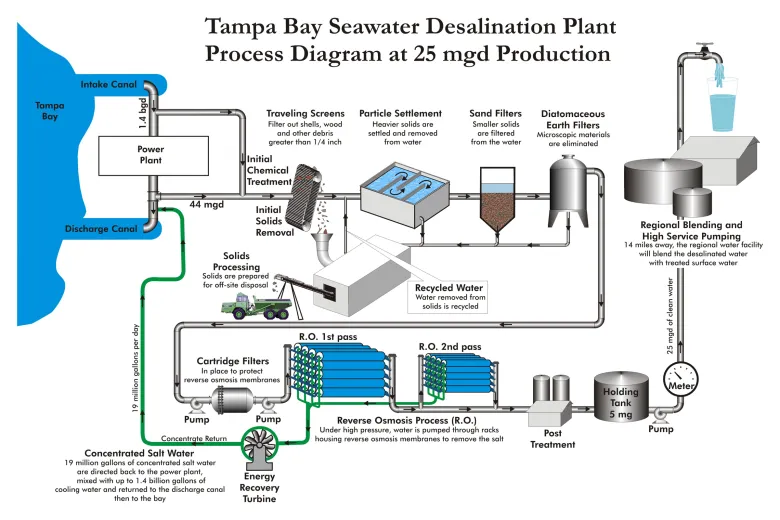
Seawater desalination systems are increasingly vital in meeting the rising demand for clean, fresh water, especially in water-scarce regions. Among these innovative technologies, reverse osmosis (RO) stands out, transforming saltwater into a precious resource. This process utilizes high-performance RO membranes to effectively separate salt from seawater, centering on maximizing efficiency for industrial applications. Essential components include high-pressure pumps, advanced pretreatment and post-treatment stages, and energy recovery devices that lower energy consumption significantly. Companies like Chunke Water Treatment focus on customizing solutions to fit specific industrial needs, ensuring the water quality meets rigorous standards. By merging state-of-the-art technology with affordability, these desalination systems not only guarantee a steady supply of clean water but also enhance sustainability through reduced energy use. As industries continue to tackle water scarcity challenges, seawater desalination emerges as a crucial solution for securing a sustainable water future. Pretreatment is a key step for seawater reverse osmosis (SWRO) desalination plants, designed to remove particulates, debris, microorganisms, suspended solids, and silt from seawater before the RO process. Ideally, only dissolved minerals should remain, allowing SWRO membranes to function efficiently over extended periods without the need for cleaning. However, leftover suspended solids can lead to fouling and decreased productivity. Two primary pretreatment technologies are conventional granular media filtration and membrane filtration. Granular media filtration is popular due to its cost-effectiveness and reliability, while membrane filtration excels in particle removal and adaptability to seasonal water quality variations. Factors like seawater quality, temperature, and algal blooms play a significant role in choosing the right pretreatment system. Membrane filtration is advantageous in areas with fluctuating water quality, whereas granular media filtration effectively addresses barnacles and sharp particles. Conducting a thorough life-cycle cost analysis is essential for selecting the appropriate pretreatment technology tailored to each desalination project’s specific conditions. As the industry progresses, membrane pretreatment is expected to gain traction, although granular media filtration is likely to remain the preferred choice in the near future.
Is Your Seawater Treatment System Up to Standard? Here’s What Experts Say!
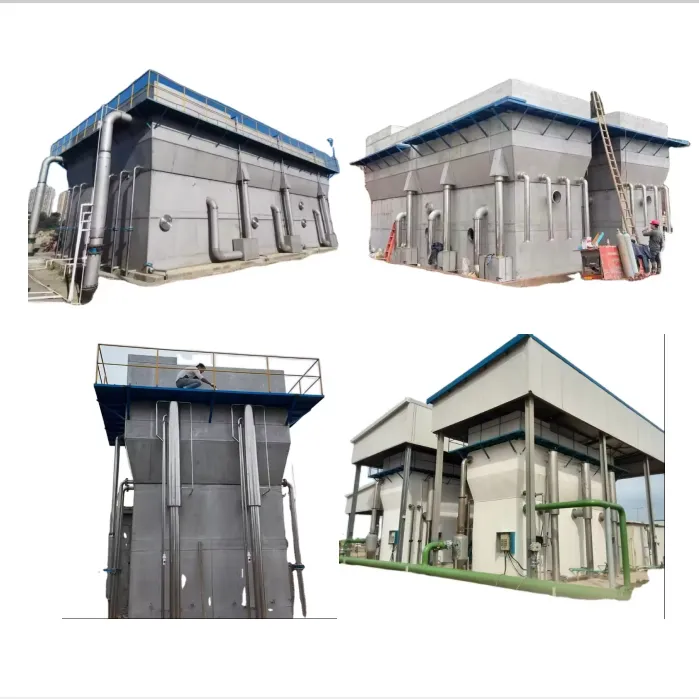
Is your seawater treatment system really up to standard? If you're like me, you might have asked this question while staring at the ocean, wondering if your setup is doing its job. The stakes are high when it comes to seawater treatment; poor performance can lead to a host of problems, from environmental damage to costly repairs.
Let’s dive into the common pain points I’ve encountered and how to address them effectively.
Understanding the Standards
First off, what does it mean for a seawater treatment system to be "up to standard"? Generally, it involves meeting specific regulatory requirements and operational benchmarks. Knowing these standards is crucial because they ensure not only compliance but also the efficiency of your system.
Identifying Issues
I’ve seen many systems falter due to a few common issues:
Inadequate Filtration: If your filtration isn’t up to par, you may find contaminants slipping through, which can affect the quality of the treated water.
Chemical Imbalance: Maintaining the right chemical levels is vital. Too much or too little can lead to system failures or ineffective treatment.
Equipment Maintenance: Neglecting regular maintenance can cause unexpected breakdowns, leading to costly downtime.
Steps to Ensure Compliance
Here’s how I tackle these issues:
Regular Testing: I recommend frequent water quality tests. This helps identify any deviations from the norm early on.
Routine Maintenance Checks: Scheduling regular maintenance for your equipment can prevent many problems before they arise.
Stay Informed: Keeping up with the latest regulations and best practices in seawater treatment can save you headaches down the line.
Conclusion
In summary, ensuring that your seawater treatment system meets the necessary standards is not just about compliance; it’s about peace of mind. By understanding the common pitfalls and taking proactive steps, you can keep your system running smoothly. Remember, a little effort goes a long way in preserving our precious marine resources.
Can Your Seawater Treatment System Handle the Pressure? Find Out!
When it comes to seawater treatment systems, many of us face a common concern: can our system truly handle the pressure? Whether you're managing a marine facility or just curious about seawater applications, this question can leave you feeling uneasy.
I remember the first time I encountered this issue. I was tasked with overseeing a new seawater treatment project, and the thought of pressure fluctuations kept me up at night. I had to ensure that our system could withstand the demands of the environment. So, how do we tackle this challenge effectively?
First, it’s essential to understand the components of your seawater treatment system. From pumps to filters, each part plays a crucial role in maintaining efficiency under pressure. I made a checklist to evaluate each component’s specifications and performance metrics. This step was vital in identifying potential weaknesses.
Next, consider the environmental factors. High tides, storms, and varying salinity levels can all impact your system. I learned that conducting a thorough risk assessment could help anticipate these challenges. By simulating different scenarios, I was able to prepare my team for unexpected situations.
Another key step is regular maintenance. Just like any machine, your seawater treatment system needs care. I set up a schedule for routine checks, which included inspecting seals, cleaning filters, and testing pressure gauges. This proactive approach not only extended the life of our system but also ensured consistent performance.
Lastly, don’t underestimate the value of training. I organized workshops for my team to keep everyone informed about best practices and new technologies in seawater treatment. Empowering my colleagues with knowledge made a significant difference in our operations.
In conclusion, handling the pressure of seawater treatment systems is not just about the technology; it’s about understanding the components, preparing for environmental challenges, maintaining the system, and investing in training. By following these steps, I was able to transform my initial anxiety into confidence, ensuring our system could handle whatever the ocean threw our way. Remember, a well-prepared system is a resilient one!
Testing Your Seawater Treatment System: Insights from Industry Experts
When it comes to testing your seawater treatment system, I’ve seen firsthand how crucial it is to get it right. Many of us in the industry face common pain points: inconsistent water quality, unexpected system failures, and the constant worry about compliance with environmental regulations. These issues can lead to costly downtime and headaches that no one needs.
So, what can we do to tackle these challenges? Here’s a straightforward approach that I’ve found effective:
1. Regular Monitoring: First off, establish a routine for testing water quality. This includes checking salinity, pH levels, and the presence of contaminants. Use reliable testing kits that provide accurate results. I can’t stress enough how this step helps in identifying problems before they escalate.
2. Calibration of Equipment: Ensure that all measuring instruments are calibrated correctly. I’ve learned the hard way that even a minor miscalibration can lead to significant discrepancies in results. Regular checks can save you from unexpected surprises.
3. System Maintenance: Don’t overlook regular maintenance of your treatment system. This means cleaning filters, inspecting pumps, and ensuring that all components are functioning optimally. I’ve seen systems fail simply because routine maintenance was neglected.
4. Training Staff: Equip your team with the knowledge they need. Conduct training sessions on the importance of seawater treatment and how to handle the testing process. A well-informed team can make all the difference.
5. Document Everything: Keep a detailed log of all tests and maintenance activities. This documentation not only helps track performance over time but also serves as a valuable resource during audits or inspections.
By implementing these steps, I’ve witnessed significant improvements in system reliability and water quality. It’s not just about compliance; it’s about ensuring that our operations run smoothly and efficiently.
In summary, testing your seawater treatment system is not just a checkbox on a to-do list. It’s a vital process that, when done correctly, can save you time, money, and stress. Let’s embrace these practices and turn our challenges into opportunities for improvement.
Is Your Seawater Treatment System Ready for the Challenge? Expert Opinions Inside!
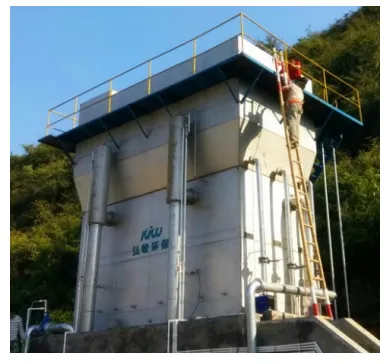
Is your seawater treatment system ready for the challenges it faces? I’ve been in the business long enough to know that many of us overlook some critical factors that can make or break our systems. The ocean is a tough place, and if our equipment isn’t up to par, we could be in for a rough ride.
Let’s dive into the common pain points that many of us encounter. First off, maintenance can feel like a never-ending chore. I remember when I first started, my system seemed to have a mind of its own. One minute it was running smoothly, and the next, I was knee-deep in troubleshooting. It’s frustrating, isn’t it?
Now, here’s the good news: there are steps we can take to ensure our systems are ready for whatever the ocean throws at us.
Regular Inspections: Set a schedule for routine checks. I found that even a quick visual inspection can save hours of headache later. Look for signs of wear and tear, and don’t ignore small issues—they can snowball into major problems.
Upgrade Components: If your system is using outdated parts, it’s time for an upgrade. I recently replaced some old filters, and the difference was night and day. Better efficiency means less downtime.
Training Staff: Make sure your team knows how to operate the system effectively. I once had a technician who didn’t fully understand the controls, and it led to unnecessary complications. A little training goes a long way.
Adapt to Environmental Changes: The ocean isn’t static. Changes in water quality or temperature can affect your system's performance. Stay informed about local conditions and be ready to adapt.
Seek Expert Opinions: Don’t hesitate to reach out to professionals when in doubt. I’ve learned that sometimes a fresh pair of eyes can spot issues I might have missed.
In summary, keeping your seawater treatment system in top shape is all about being proactive. Regular maintenance, component upgrades, staff training, environmental awareness, and expert advice can make a significant difference. By addressing these areas, we can ensure our systems are not just surviving but thriving in the face of challenges. Remember, a little preparation today can save you a lot of trouble tomorrow!
Interested in learning more about industry trends and solutions? Contact Candie Liang: hongjun@hjwater.cn/WhatsApp ++8618823149433.
References
Smith J. 2022 Seawater Treatment Systems: Compliance and Best Practices
Johnson A. 2023 Handling Pressure in Seawater Treatment: Expert Insights
Lee R. 2021 Effective Testing Methods for Seawater Treatment Systems
Thompson M. 2022 Maintenance Strategies for Optimal Seawater Treatment Performance
Davis K. 2023 Training and Development in Seawater Treatment Operations
Brown T. 2022 Adapting Seawater Treatment Systems to Environmental Challenges
