The podcast highlights the critical role of seawater desalination and wastewater reuse in Israel, featuring insights from Noam Weisbrod, Dean of the Desert Research Institute at Ben Gurion University. Israel has revolutionized its water management, with nearly 80% of its drinking water now derived from desalination, marking a significant departure from its previous dependence on groundwater and the Sea of Galilee. This transformation began in 2004 when leaders acknowledged the unsustainable nature of existing water sources, driven by population growth and climate variability. The National Water Carrier, a monumental engineering feat from the 1960s, enables efficient water transport across the nation, optimizing supply and lowering costs. Israel employs advanced desalination techniques, particularly reverse osmosis, while effectively managing the environmental impacts of brine disposal. Furthermore, Israel excels in wastewater recycling, treating and reusing approximately 90% of its domestic wastewater for irrigation. This innovative water management strategy not only bolsters agricultural output but also underscores the importance of regional cooperation, illustrated by agreements with Jordan for water and energy sharing. Looking to the future, Weisbrod expresses optimism about Israel's water security and its potential as a leader in desert technology, especially in tackling global water challenges intensified by climate change.
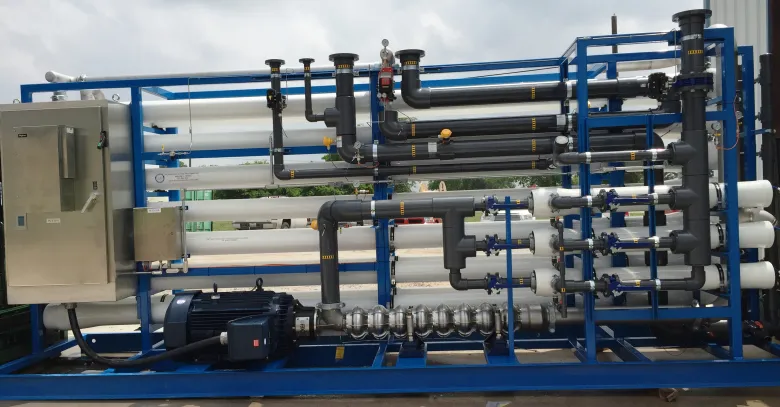
Is It Time to Upgrade Your Seawater Treatment System? Experts Weigh In!
As I sit here pondering the state of my seawater treatment system, I can't help but wonder if it’s time for an upgrade. I mean, have you ever felt that sinking feeling when your equipment starts showing its age? It’s like your trusty old car that suddenly decides it prefers the mechanic over the open road.
Let’s face it: seawater treatment systems are crucial for various industries, from aquaculture to desalination. When they falter, it can lead to significant operational headaches. So, what are the signs that it’s time to consider an upgrade?
First, let’s talk about efficiency. If your system is guzzling energy like a thirsty sailor in the desert, it might be time to rethink your setup. Modern systems are designed to be energy-efficient, reducing costs while improving performance. I’ve seen businesses cut their energy bills in half simply by upgrading to newer technology.
Next, consider maintenance. If you find yourself spending more time fixing your system than actually using it, that’s a red flag. Frequent breakdowns not only disrupt operations but also lead to increased downtime. A reliable system means fewer headaches and more productivity.
Another point to ponder is regulatory compliance. As environmental standards tighten, outdated systems may not meet the latest requirements. Upgrading your seawater treatment system can help ensure compliance, avoiding potential fines and legal issues.
Now, let’s dive into the steps for making this upgrade happen.
Assess Your Current System: Take a good look at your existing setup. Identify its weaknesses and areas where it falls short.
Research Options: Explore the latest technologies and systems available. Look for solutions that address your specific pain points.
Consult Experts: Don’t hesitate to reach out to professionals in the field. Their insights can be invaluable in guiding your decision.
Plan the Upgrade: Create a timeline and budget for the transition. This will help you stay organized and avoid any unexpected costs.
Implement and Train: Once you’ve chosen a new system, ensure your team is trained to use it effectively. This step is crucial for a smooth transition.
In conclusion, if you’re experiencing high energy costs, frequent breakdowns, or compliance issues, it might just be time to upgrade your seawater treatment system. By taking a proactive approach, you can enhance operational efficiency, reduce costs, and ensure compliance with regulations. So, why wait? Let’s set sail for smoother waters!
Top Tips from Experts on Enhancing Your Seawater Treatment System
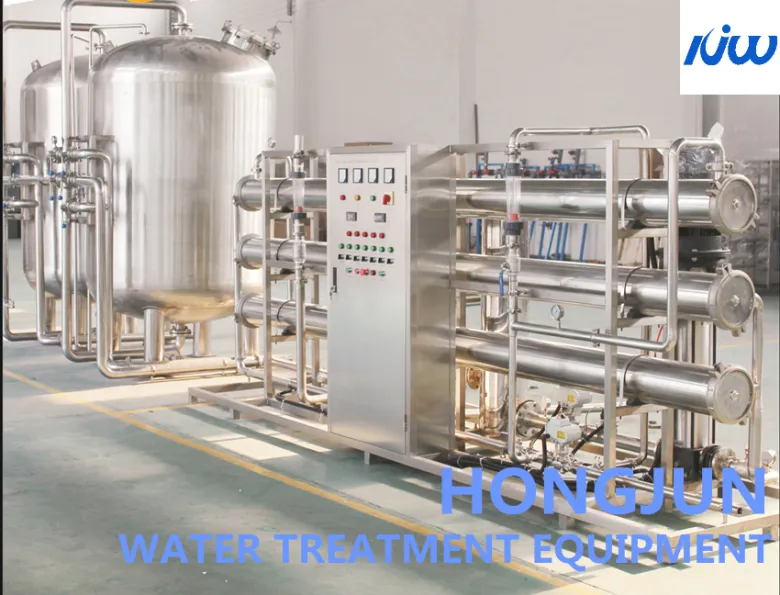
When it comes to seawater treatment systems, I often hear the same concerns from users: inefficiency, high operational costs, and environmental impact. These issues can leave anyone feeling overwhelmed. But fear not! I’m here to share some straightforward tips that can help enhance your seawater treatment system, making it more efficient and cost-effective.
First, let's address the heart of the matter: system maintenance. Regular maintenance is crucial. I’ve learned that neglecting this aspect can lead to costly repairs and downtime. Schedule routine checks to ensure all components are functioning optimally. This includes cleaning filters, checking pumps, and inspecting membranes. A little effort here can prevent bigger headaches down the line.
Next, consider the technology you’re using. Upgrading to more efficient equipment can significantly improve performance. For instance, I switched to a new type of membrane that has increased my system's output while reducing energy consumption. Researching the latest advancements in seawater treatment technology can reveal options that might suit your needs perfectly.
Another vital aspect is monitoring and data analysis. Implementing a robust monitoring system allows you to track performance metrics closely. I’ve found that having real-time data helps identify issues before they escalate. This proactive approach not only saves money but also enhances the overall effectiveness of the treatment process.
Don’t forget about training and education. Ensuring that your team is well-trained in operating and maintaining the system can’t be overstated. I’ve seen firsthand how a knowledgeable team can troubleshoot problems quickly, leading to less downtime and smoother operations.
Lastly, let’s talk about sustainability. Enhancing your seawater treatment system isn’t just about efficiency; it’s also about reducing environmental impact. Implementing eco-friendly practices, like energy recovery systems, can make a significant difference. I’ve adopted several green practices that not only help the planet but also improve my system's efficiency.
In summary, enhancing your seawater treatment system boils down to regular maintenance, upgrading technology, monitoring performance, investing in training, and embracing sustainability. By focusing on these areas, you can tackle common pain points and turn your system into a well-oiled machine. Remember, a little effort goes a long way!
Thinking of Upgrading? Here's What Seawater Treatment Pros Recommend
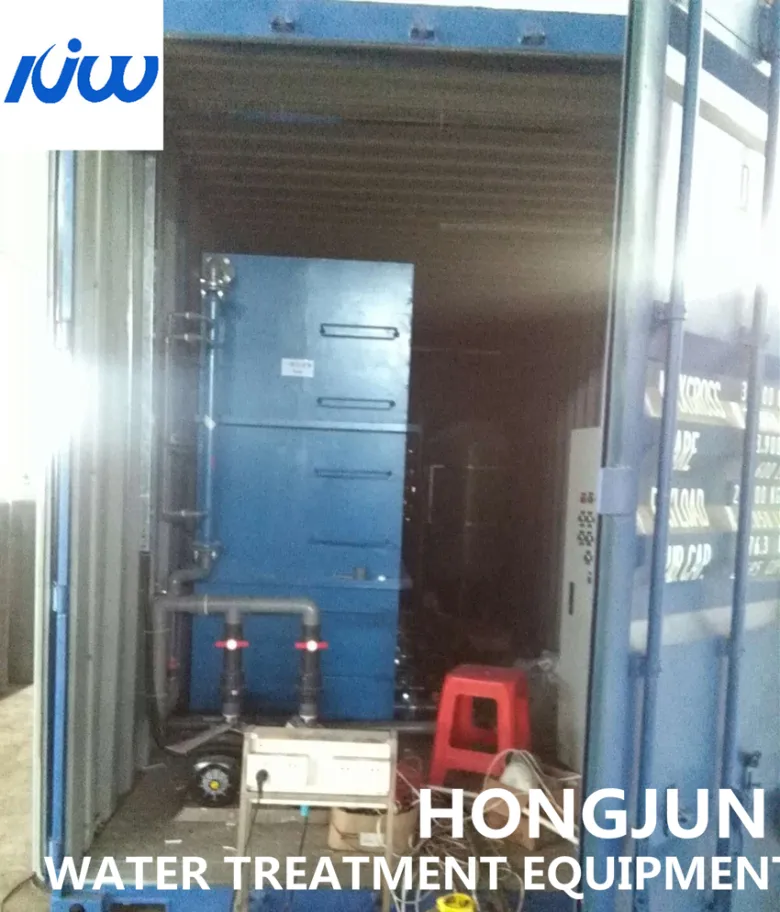
Thinking about upgrading your seawater treatment system? You’re not alone. Many of us face the same dilemma: how to ensure our water treatment is efficient, cost-effective, and environmentally friendly. Let's dive into this topic and see what the pros recommend.
First off, I often hear concerns about the effectiveness of older systems. Are they really doing the job? The answer can be a bit murky. Many older systems struggle with efficiency, leading to higher energy costs and less effective treatment. Upgrading can not only improve performance but also reduce operational costs.
Next, let’s consider technology. Newer systems often come equipped with advanced features, such as real-time monitoring and automated controls. These upgrades can simplify maintenance and provide peace of mind. Imagine knowing exactly how your system is performing at any moment without having to check manually. Sounds great, right?
Now, let’s talk about sustainability. With increasing awareness of environmental issues, many professionals recommend systems that minimize waste and energy consumption. Upgrading to a more efficient seawater treatment system can significantly reduce your carbon footprint and align your operations with eco-friendly practices.
So, what steps should you take if you decide to upgrade? Here’s a simple guide:
- Assess Your Current System: Identify the weaknesses and areas for improvement.
- Research New Technologies: Look for systems that offer the latest advancements in seawater treatment.
- Consult with Experts: Don’t hesitate to reach out to professionals who can provide tailored advice.
- Plan Your Upgrade: Create a timeline and budget to ensure a smooth transition.
- Implement and Monitor: Once upgraded, keep an eye on the system’s performance to ensure it meets your expectations.
In summary, upgrading your seawater treatment system can lead to improved efficiency, reduced costs, and a smaller environmental impact. By taking the time to evaluate your options and consult with experts, you can make an informed decision that benefits both your operations and the planet. So, why wait? Make the leap toward a better system today!
Upgrade Your Seawater Treatment: Expert Insights You Can't Ignore
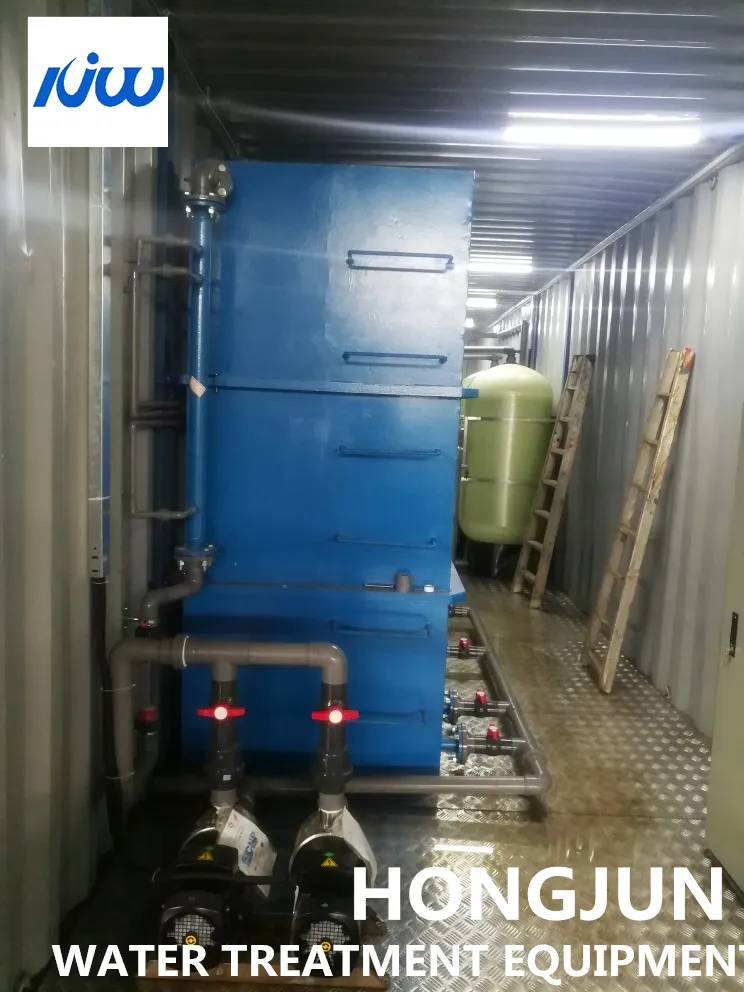
Upgrading your seawater treatment system can feel like a daunting task. I’ve been there, grappling with the complexities of maintaining water quality while trying to keep costs manageable. If you’re like me, you want a solution that works without breaking the bank. Let’s dive into some practical insights that can make a real difference.
First, let's identify the common pain points. Many of us struggle with inefficient systems that lead to high operational costs and subpar water quality. This can result in not only financial losses but also regulatory compliance issues. Understanding these challenges is the first step toward finding effective solutions.
Now, onto the solutions. Here are a few steps I’ve found useful in upgrading seawater treatment systems:
Assess Your Current System: Take a close look at your existing setup. Identify areas where efficiency is lacking. Are there outdated components? Is the filtration system up to par?
Invest in Modern Technology: Consider integrating advanced technologies such as membrane filtration or UV disinfection. These methods can significantly improve water quality and reduce chemical usage.
Regular Maintenance: Establish a routine maintenance schedule. This not only prolongs the life of your equipment but also ensures that your system operates at peak efficiency.
Train Your Team: Equip your staff with the knowledge and skills needed to manage the upgraded system. This can prevent costly errors and improve overall performance.
Monitor and Adapt: Implement a monitoring system to track performance metrics. This data can help you make informed decisions and adjustments as needed.
In conclusion, upgrading your seawater treatment system doesn’t have to be overwhelming. By assessing your current setup, investing in modern technologies, maintaining your equipment, training your team, and continuously monitoring performance, you can achieve a more efficient and cost-effective solution. Remember, taking these steps can not only enhance water quality but also contribute to long-term savings and sustainability.
What the Experts Say About Modernizing Your Seawater Treatment System
Modernizing your seawater treatment system can feel like navigating a maze. I’ve been there, staring at outdated equipment while wondering how to enhance efficiency and reduce costs. The good news? You’re not alone, and there are straightforward steps to tackle this challenge.
First, let’s talk about the pain points. Many facilities struggle with high operational costs, inefficient processes, and environmental compliance issues. These factors can weigh heavily on budgets and resources, making modernization not just a choice, but a necessity.
Now, how do we modernize effectively? Here’s a step-by-step approach:
Assess Your Current System: Take a close look at what you have. Identify the components that are outdated or underperforming. This is crucial for understanding where improvements are needed.
Research New Technologies: The market is flooded with innovative solutions. Look for systems that offer better energy efficiency, lower maintenance costs, and enhanced treatment capabilities. For instance, membrane technology has advanced significantly and can provide superior filtration.
Engage with Experts: Don’t hesitate to consult with industry professionals. Their insights can help you understand the latest trends and best practices in seawater treatment. They can also assist in tailoring solutions to your specific needs.
Plan for Implementation: Once you’ve selected the right technology, create a detailed implementation plan. This should include timelines, budget considerations, and training for your staff. A well-thought-out plan can prevent disruptions in your operations.
Monitor and Optimize: After modernization, keep an eye on the system’s performance. Use data analytics to track efficiency and identify areas for further improvement. Continuous optimization is key to maximizing your investment.
In conclusion, modernizing your seawater treatment system doesn’t have to be daunting. By assessing your current setup, researching new technologies, consulting experts, planning carefully, and monitoring outcomes, you can create a system that meets today’s demands and prepares you for the future. Embracing these changes not only enhances operational efficiency but also contributes to sustainability efforts, benefiting both your facility and the environment.
Ready for an Upgrade? Expert Advice on Seawater Treatment Systems
Are you tired of dealing with the same old water treatment systems that just don’t cut it anymore? I’ve been there, and I know the frustration. Whether it’s high maintenance costs, inefficiency, or just outdated technology, it’s clear that an upgrade is in order. So, let’s dive into why a seawater treatment system might just be the solution you’ve been looking for.
First off, let’s talk about why you might need an upgrade. Many traditional systems struggle with the rising demand for clean water, especially in coastal areas. If you’re facing issues like corrosion, scaling, or insufficient purification, it’s time to consider a seawater treatment system. These systems are designed to handle the unique challenges of treating seawater, providing a reliable source of fresh water.
Now, you might be wondering, “How do I choose the right system?” Here are a few steps to guide you:
Assess Your Needs: Determine the volume of water you need to treat and the specific contaminants you’re dealing with. This will help you identify the right capacity and technology for your system.
Research Technologies: Look into different treatment methods like reverse osmosis, electrocoagulation, or advanced oxidation. Each has its pros and cons, so understanding them will help you make an informed decision.
Consider Maintenance: An upgrade shouldn’t mean more hassle. Choose a system that offers easy maintenance and reliable support. This will save you time and money in the long run.
Evaluate Costs: While initial investments can be high, consider the long-term savings on water costs and maintenance. A more efficient system can pay for itself over time.
Consult Experts: Don’t hesitate to reach out to professionals who specialize in seawater treatment. Their expertise can provide valuable insights and help you avoid common pitfalls.
Finally, let’s recap what we’ve learned. Upgrading to a seawater treatment system can be a game-changer for your water needs. By assessing your requirements, researching technologies, and considering maintenance and costs, you can make a decision that benefits you in the long run. Remember, the right system can lead to cleaner water and less stress, so why not take the plunge?
In the end, upgrading your system isn’t just about technology; it’s about ensuring you have a reliable source of fresh water for years to come. Take the first step today, and you’ll be well on your way to a more sustainable and efficient water treatment solution.
For any inquiries regarding the content of this article, please contact Candie Liang: hongjun@hjwater.cn/WhatsApp ++8618823149433.
References
Candie Liang 2023 Is It Time to Upgrade Your Seawater Treatment System Experts Weigh In
Candie Liang 2023 Top Tips from Experts on Enhancing Your Seawater Treatment System
Candie Liang 2023 Thinking of Upgrading? Here's What Seawater Treatment Pros Recommend
Candie Liang 2023 Upgrade Your Seawater Treatment Expert Insights You Can't Ignore
Candie Liang 2023 What the Experts Say About Modernizing Your Seawater Treatment System
Candie Liang 2023 Ready for an Upgrade? Expert Advice on Seawater Treatment Systems
