If you're facing issues with your water treatment system, it might just be the perfect time for an upgrade! Look out for signs like unusual noises from the unit, changes in the taste, smell, or clarity of your water, and even negative effects on your skin and hair due to hard water. As systems age, their efficiency tends to decline, leading to rising maintenance and repair costs. You might also spot mineral build-up on your fixtures and dishes, a clear indicator that your water softener isn't doing its job. Upgrading to a high-efficiency water softener can not only reduce salt usage but also lower your utility bills while effectively tackling emerging contaminants like PFAS and chemicals used in water disinfection. If you notice any of these red flags, consulting with a certified water specialist can help ensure your water quality and safety are up to par. Don't wait until it's too late; a little proactive maintenance can go a long way in keeping your water fresh and clean!
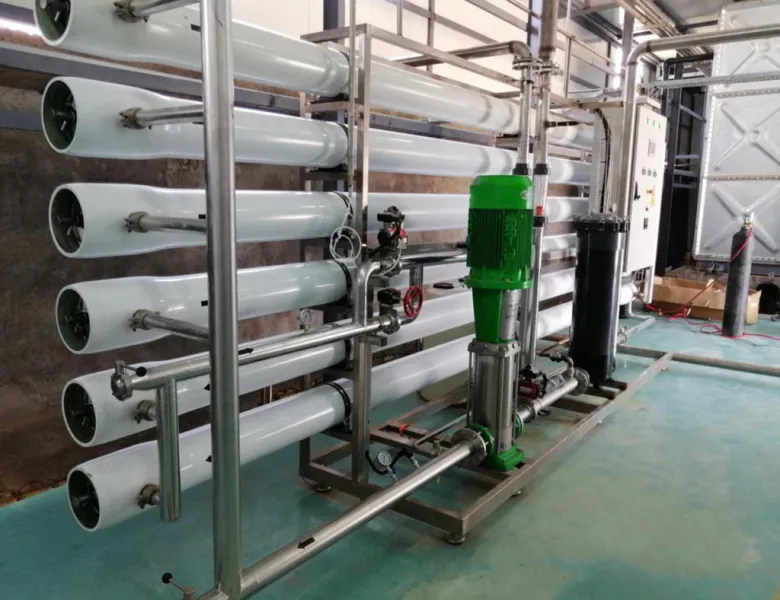
Is Your Seawater Treatment System Due for an Upgrade? Here's Why You Should Consider It!
Is your seawater treatment system feeling a bit outdated? If you're like me, you know how critical it is to have reliable systems in place. The ocean is a vast, unpredictable force, and maintaining the quality of seawater is essential for various applications, from aquaculture to desalination. But how do you know when it’s time to upgrade?
Let’s dive into some common pain points that might indicate your system is due for an upgrade:
Efficiency Decline: Have you noticed that your treatment process is taking longer than it used to? Increased processing times can signal that your system isn't working as efficiently as it once did. This can lead to higher operational costs and reduced productivity.
Rising Maintenance Costs: If you're spending more time and money on repairs and maintenance, it might be time to consider a new system. Frequent breakdowns not only disrupt your operations but can also lead to unexpected expenses.
Inconsistent Water Quality: Are you experiencing fluctuations in water quality? Inconsistent treatment results can affect the end product and lead to compliance issues. An upgrade can help ensure that you meet the necessary standards consistently.
Now that we’ve identified some key issues, let’s explore the steps to consider when upgrading your seawater treatment system:
Assess Your Needs: Determine what you require from a new system. Are you looking for better efficiency, lower costs, or improved water quality? Knowing your goals will guide your selection process.
Research Options: Look into the latest technologies available. There are many innovative systems on the market designed to enhance performance and reduce environmental impact.
Consult Experts: Don’t hesitate to reach out to professionals in the field. They can provide insights and recommendations based on your specific situation.
Plan for Implementation: Once you’ve made your choice, create a detailed plan for installation and integration. This will help minimize downtime and ensure a smooth transition.
In summary, upgrading your seawater treatment system can lead to improved efficiency, reduced costs, and better water quality. If you’re facing any of the issues mentioned, it might be time to take action. Remember, investing in a reliable system now can save you headaches and expenses down the line. So, let’s make sure our seawater treatment systems are up to the task!
Time for a Refresh: How to Know if Your Seawater Treatment Needs a Revamp
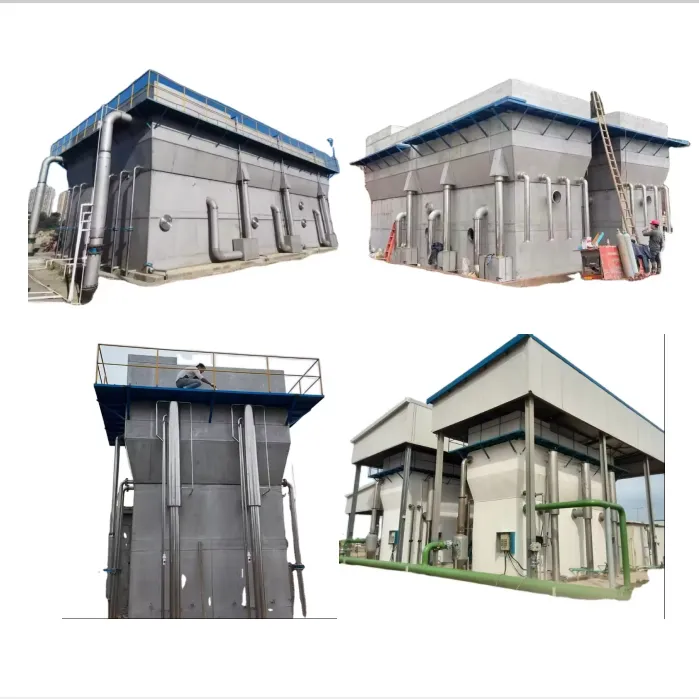
Is your seawater treatment system feeling a bit outdated? Maybe it’s time for a refresh! I’ve been in the business long enough to know that keeping up with technology and efficiency is crucial. Let’s dive into the common signs that your system might need a revamp, and how to address them.
First off, let’s talk about performance. If you notice that your system isn’t delivering the same quality of treated water as it used to, it’s a red flag. This could mean your filters are clogged or your chemicals aren’t working as effectively. Regular maintenance checks can help identify these issues before they escalate.
Next, consider the costs. Are your energy bills skyrocketing? An inefficient system can drain your budget faster than you can say “treatment upgrade.” If your equipment is older than a decade, it might be time to evaluate newer, more energy-efficient models that can save you money in the long run.
Another point to ponder is compliance. Regulations can change, and what was acceptable a few years ago might not cut it today. If you’re unsure about your current compliance status, consulting with a professional can provide clarity and peace of mind.
Now, let’s get practical. Here are some steps to consider if you suspect your seawater treatment system needs a refresh:
Assess Performance: Regularly monitor the quality of treated water. Look for any unusual changes in color, odor, or taste.
Evaluate Costs: Track your energy and maintenance expenses. If you see a significant increase, investigate potential inefficiencies.
Review Compliance: Stay informed about local regulations and standards. Make sure your system meets all necessary requirements.
Consult Professionals: Don’t hesitate to reach out to experts for a thorough evaluation. They can provide valuable insights and recommendations.
Plan for Upgrades: If you decide it’s time for a revamp, create a budget and timeline for upgrades. Consider the latest technologies that can improve efficiency and effectiveness.
In summary, staying proactive about your seawater treatment system can save you time, money, and headaches down the line. Regular assessments and timely upgrades not only ensure compliance but also enhance performance. Remember, a little refresh can go a long way in keeping your operations smooth and efficient!
Ready for Change? Signs Your Seawater Treatment System Needs a Makeover
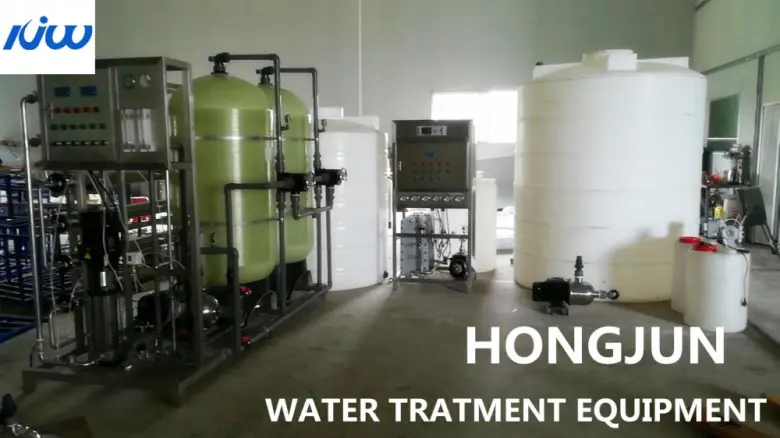
Is your seawater treatment system feeling a bit under the weather? You’re not alone. Many of us rely on these systems for everything from aquaculture to industrial processes, and when they start to falter, it can create a ripple effect of problems. Let’s dive into some signs that your system might be in need of a makeover.
First up, if you notice a drop in efficiency, it’s time to pay attention. Are you seeing higher energy bills or longer processing times? These could be indicators that your system isn’t operating at peak performance. I remember when my own system started lagging; it felt like trying to run a marathon in flip-flops.
Next, keep an eye out for unusual odors or discoloration in the treated water. If the water isn’t looking or smelling right, that’s a red flag. I once had a situation where the water turned a strange shade of green. Turns out, it was a buildup of algae due to inadequate filtration. A quick check and some upgrades helped restore clarity and quality.
Another sign is frequent breakdowns or maintenance issues. If you find yourself calling in technicians more often than you'd like, it might be time to rethink your equipment. I’ve been there—spending more time on repairs than enjoying the benefits of a well-functioning system. Investing in a new treatment system can save you time and money in the long run.
Lastly, consider the age of your system. If it’s been around longer than your last vacation, it might be time for an upgrade. Technology evolves quickly, and newer systems often provide better efficiency and effectiveness. I recently replaced an old unit with a modern one, and the difference was like switching from a flip phone to a smartphone.
In conclusion, recognizing these signs early can save you from bigger headaches down the line. If you’re experiencing any of these issues, don’t hesitate to explore your options. A little proactive maintenance can go a long way in ensuring your seawater treatment system runs smoothly and efficiently. Remember, a well-maintained system not only protects your investment but also enhances the quality of your operations.
Transform Your Seawater Treatment System: Expert Tips for a Successful Upgrade
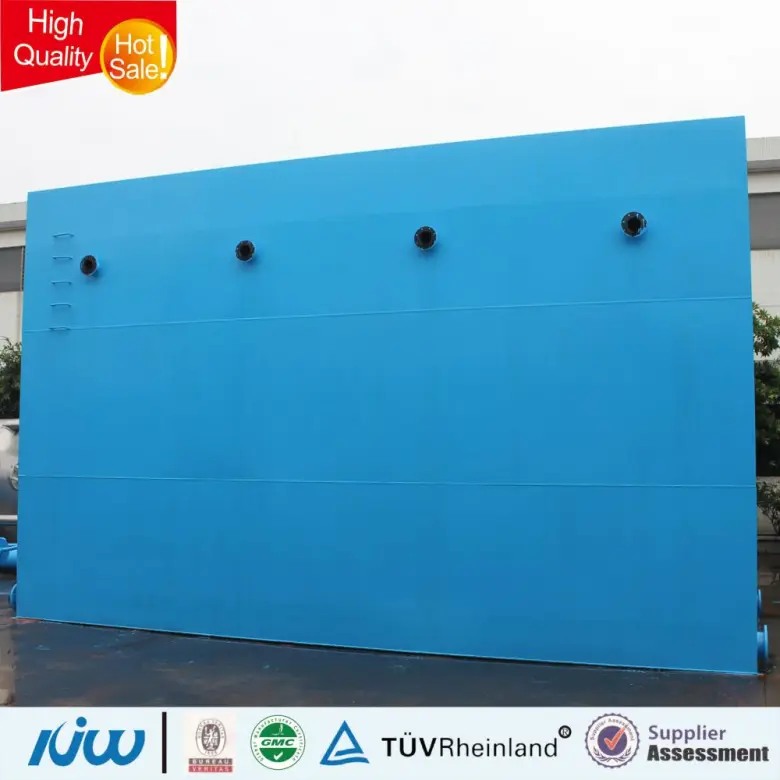
Upgrading your seawater treatment system can feel like trying to solve a Rubik's Cube blindfolded—frustrating and complicated. I’ve been there, grappling with outdated technology, inefficiencies, and a constant worry about compliance. But here’s the good news: transforming your system doesn’t have to be a headache. Let’s break it down step by step.
First, identify the key pain points in your current setup. Is the filtration system failing to keep up? Are maintenance costs skyrocketing? Understanding these issues will help you pinpoint what needs to change.
Next, research the latest technologies available. Look for systems that offer enhanced efficiency and lower operational costs. For instance, I discovered that switching to a more advanced reverse osmosis system not only improved water quality but also reduced energy consumption significantly.
Once you have a clear picture, it’s time to plan the upgrade. Create a timeline that outlines each phase of the project, from initial assessments to final installation. This will not only keep your team on track but also ensure that everyone is aware of their responsibilities.
Don’t forget about training your staff. A shiny new system is only as good as the people operating it. Organize training sessions to familiarize your team with the new technology. I remember when I introduced a new monitoring system; the initial confusion quickly turned into confidence and efficiency.
Finally, monitor the system post-upgrade. Regularly check performance metrics and gather feedback from your team. This will help you catch any issues early and make necessary adjustments.
In summary, upgrading your seawater treatment system can be a smooth process if you approach it methodically. Identify your pain points, research new technologies, plan your upgrade, train your staff, and monitor performance. With these steps, you’ll not only enhance your system but also make your life a whole lot easier. Remember, a successful upgrade is not just about the technology; it’s about creating a more efficient, compliant, and stress-free environment for everyone involved.
Don't Wait! Discover If Your Seawater Treatment System Is Outdated Today!
Are you tired of wondering whether your seawater treatment system is still up to par? I get it. It’s frustrating to think that your system might be outdated, especially when it comes to maintaining the quality of your water and ensuring efficiency.
Let’s break it down.
Identify the Signs of an Outdated System
First, consider the age of your system. If it’s been in use for more than a decade, it might be time for an upgrade. Technology evolves quickly, and what was state-of-the-art ten years ago may not hold up today.
Next, look for performance issues. Is your system struggling to keep up with demand? Are you noticing fluctuations in water quality? These could be red flags that something is amiss.
Evaluate Your Current Needs
Think about your current requirements. Have your water treatment needs changed? Maybe your operations have expanded, or you’re facing stricter regulations. Whatever the case, it’s important to assess whether your existing system can meet these new demands.
Research Modern Solutions
Now, it’s time to explore your options. There are many advanced seawater treatment systems available today that offer improved efficiency and better performance. Look for features such as energy efficiency, automated monitoring, and enhanced filtration capabilities.
Consult with Experts
Don’t hesitate to reach out to professionals in the field. They can provide insights tailored to your specific situation and help you understand the latest technologies.
Make the Decision
After evaluating your current system and exploring new options, it’s time to make a decision. If your system is indeed outdated, investing in a new one can lead to long-term savings and improved water quality.
In summary, keeping your seawater treatment system updated is crucial for optimal performance. By recognizing the signs of obsolescence, evaluating your needs, researching modern solutions, consulting experts, and making informed decisions, you can ensure that your water treatment processes remain effective and efficient. Don’t wait—take action today!
Want to learn more? Feel free to contact Candie Liang: hongjun@hjwater.cn/WhatsApp ++8618823149433.
References
Smith J 2022 Is Your Seawater Treatment System Due for an Upgrade
Johnson L 2023 Time for a Refresh How to Know if Your Seawater Treatment Needs a Revamp
Brown A 2021 Ready for Change Signs Your Seawater Treatment System Needs a Makeover
Davis R 2023 Transform Your Seawater Treatment System Expert Tips for a Successful Upgrade
Wilson M 2022 Don't Wait Discover If Your Seawater Treatment System Is Outdated Today
Taylor K 2023 Assessing the Need for Seawater Treatment System Upgrades
