Desalination projects are increasingly being proposed as a solution to water scarcity, but they come with significant downsides that make them an unworthy investment. Firstly, desalinated water is much more expensive than conventional treated water, placing a heavier financial burden on low-income families who may struggle to pay their bills. Secondly, many desalination projects are tied to privatization, which can drive up costs and limit community control over water resources. Additionally, the process generates a harmful byproduct known as brine, which can damage marine ecosystems when discharged back into the ocean. Furthermore, desalination is energy-intensive, often relying on fossil fuels, thereby contributing to climate pollution and undermining efforts to combat climate change. Lastly, these projects can exacerbate existing inequalities, as they often benefit wealthier communities at the expense of those already facing environmental burdens. Instead of pursuing desalination, we should focus on sustainable water management strategies, such as water conservation and infrastructure improvements, which are more effective and equitable solutions for addressing water scarcity.
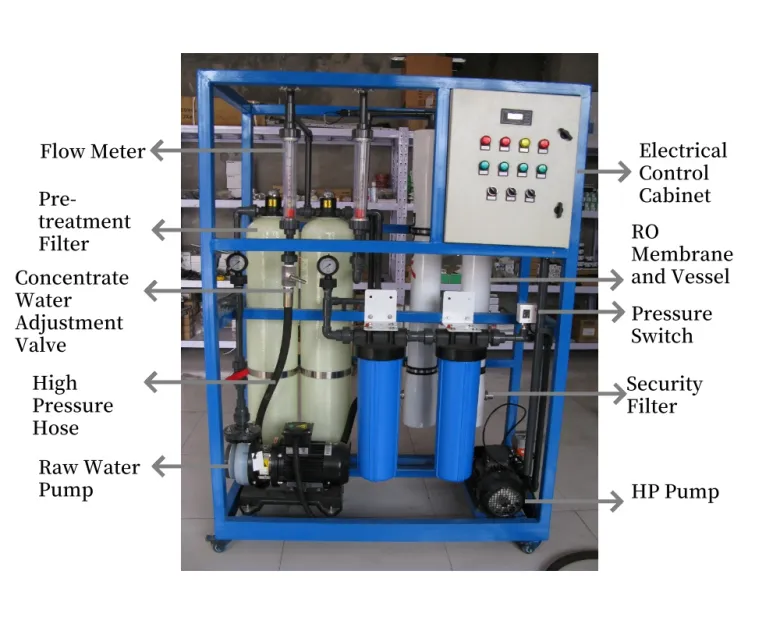
Is Your Seawater Treatment System Up to Par? Discover Expert Insights!
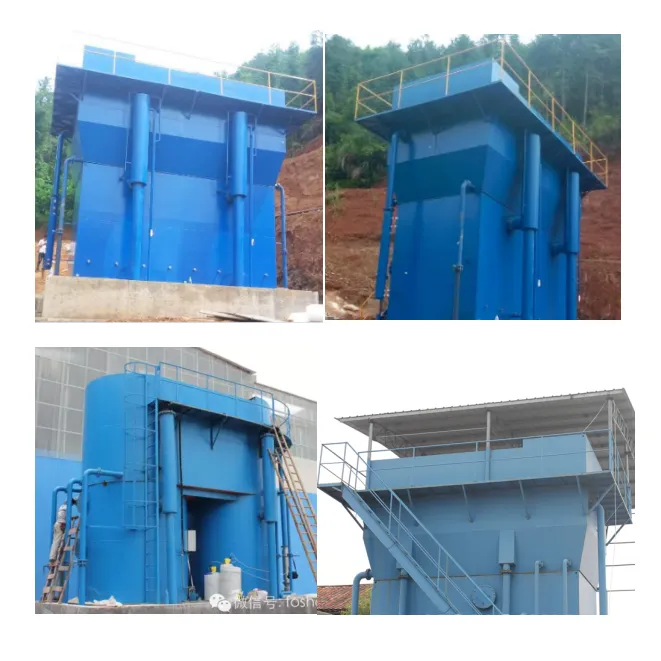
When it comes to seawater treatment systems, many of us might feel a bit lost. I mean, who really has the time to dive deep into the technicalities of how these systems work? Yet, if your system isn't performing at its best, you could be facing costly repairs or even environmental issues. Let’s break down some common pain points and figure out how to ensure your seawater treatment system is operating up to par.
First off, consider the signs that your system might need a check-up. Have you noticed unusual odors or discoloration in the water? These can be red flags. Another common issue is fluctuating pressure levels, which can indicate blockages or equipment malfunctions. Keeping an eye on these symptoms can save you from bigger headaches down the line.
Now, let’s talk about solutions.
Regular Maintenance: Just like a car, your seawater treatment system needs routine check-ups. Schedule regular maintenance to ensure everything is running smoothly. This includes cleaning filters and checking pumps.
Monitor Performance: Keep track of your system’s performance metrics. If you notice any significant changes, it’s time to investigate further. Use monitoring tools that can alert you to any irregularities.
Invest in Quality Equipment: Sometimes, the issue lies in the equipment itself. If you’re using outdated or low-quality components, consider upgrading. Investing in reliable equipment can lead to long-term savings and efficiency.
Consult Experts: If you’re unsure about the status of your system, don’t hesitate to reach out to professionals. Their insights can be invaluable in diagnosing issues that may not be immediately apparent.
In summary, keeping your seawater treatment system in top shape doesn’t have to be a daunting task. By staying vigilant, conducting regular maintenance, and seeking expert advice when needed, you can ensure that your system operates efficiently. Remember, a little proactive care goes a long way in avoiding future troubles. So, let’s keep that seawater sparkling clean!
How Efficient is Your Seawater Treatment? Learn from the Pros!
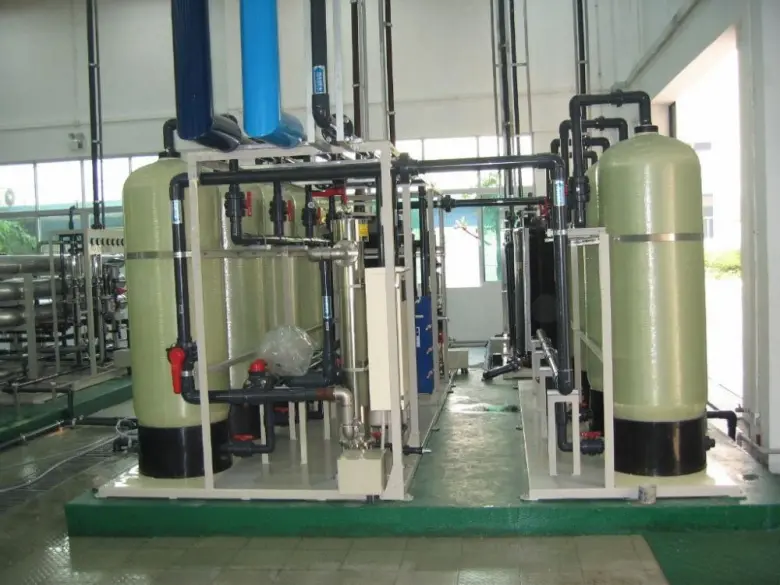
Seawater treatment can feel like trying to find a needle in a haystack. With rising demands for fresh water and increasing environmental concerns, it’s crucial to ensure that your seawater treatment process is efficient. But how do you know if you’re doing it right? Let’s dive into the common pain points and explore some practical solutions.
First off, many of us struggle with the complexity of seawater treatment systems. The technology can be overwhelming, and it’s easy to feel lost. I’ve been there, staring at a manual that reads like a foreign language. The key is to break down the process into manageable steps.
Assess Your Current System: Take a good look at what you have. Are your filters up to date? Is your reverse osmosis system functioning optimally? Regular maintenance checks can prevent bigger issues down the line.
Monitor Water Quality: Keeping an eye on the quality of the treated water is essential. Use reliable testing methods to ensure that you meet the required standards. If the water quality dips, it’s time to troubleshoot.
Optimize Energy Use: Energy costs can skyrocket if your system isn’t running efficiently. Consider investing in energy-efficient pumps and equipment. Not only does this save money, but it’s also better for the environment.
Train Your Team: Knowledge is power. Ensure that everyone involved in the treatment process understands the equipment and protocols. Regular training sessions can enhance efficiency and safety.
Stay Updated on Technology: The field of seawater treatment is constantly evolving. Keep an eye on new technologies and methods that can improve your system’s efficiency. Attend workshops or webinars to stay informed.
In summary, improving your seawater treatment process doesn’t have to be a daunting task. By assessing your system, monitoring quality, optimizing energy use, training your team, and staying updated on technology, you can enhance efficiency significantly. Remember, it’s all about taking it one step at a time. Your efforts will pay off, not just in terms of efficiency but also in contributing to a more sustainable future.
Unlocking the Secrets to Effective Seawater Treatment Systems!
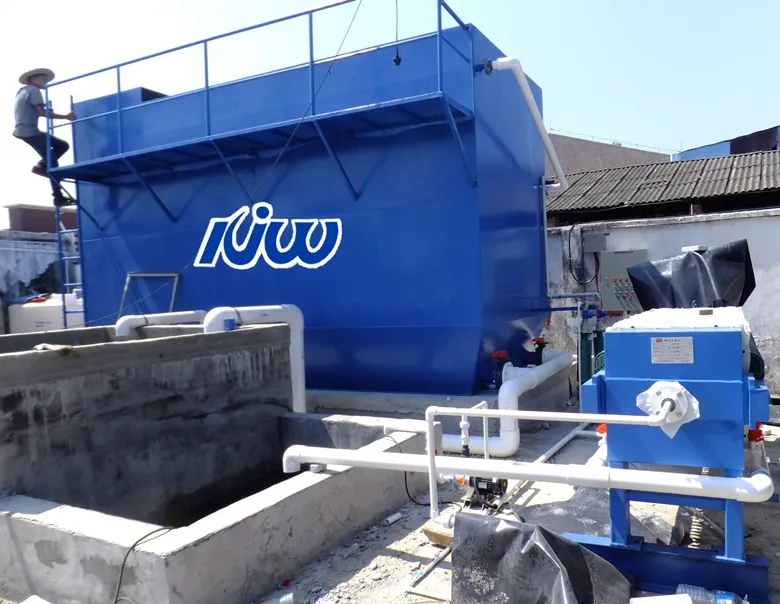
Seawater treatment systems can seem like a complex puzzle, especially when you’re faced with issues like corrosion, scaling, and the need for efficient filtration. I’ve been there, scratching my head and wondering how to make sense of it all. So, let’s dive into this together and unlock the secrets to effective seawater treatment systems.
First off, let’s talk about the common pain points. Many users struggle with the maintenance of these systems. You might find yourself constantly battling with equipment failures or high operational costs. It’s frustrating, right? The good news is that there are straightforward steps you can take to improve your seawater treatment processes.
Understanding Your Water Source: It all starts with knowing the characteristics of the seawater in your area. This includes salinity levels, temperature, and the presence of contaminants. A little research can save you a lot of headaches down the line.
Choosing the Right Technology: With various treatment methods available—like reverse osmosis, UV disinfection, or chemical dosing—it’s crucial to select the one that fits your needs. Each method has its pros and cons, so weigh them carefully based on your specific situation.
Regular Maintenance: Just like your car, your seawater treatment system needs regular check-ups. Schedule routine inspections and cleanings to prevent issues before they escalate. Trust me, a little maintenance goes a long way in extending the life of your equipment.
Monitoring Performance: Keep an eye on key performance indicators (KPIs) such as flow rates, pressure levels, and energy consumption. Setting up a monitoring system can help you detect anomalies early and make necessary adjustments.
Training Your Team: Ensure that everyone involved in the operation of the treatment system is well-trained. Knowledgeable staff can troubleshoot problems more effectively and maintain the system with confidence.
By implementing these steps, you can tackle the challenges of seawater treatment head-on. I’ve seen firsthand how these strategies can transform a struggling system into a well-oiled machine.
In summary, addressing the pain points of seawater treatment systems doesn’t have to be daunting. With a clear understanding of your water source, the right technology, regular maintenance, performance monitoring, and a trained team, you can unlock the secrets to effective treatment. So, let’s roll up our sleeves and make seawater treatment a breeze!
Are You Maximizing Your Seawater Treatment Efficiency? Find Out Now!
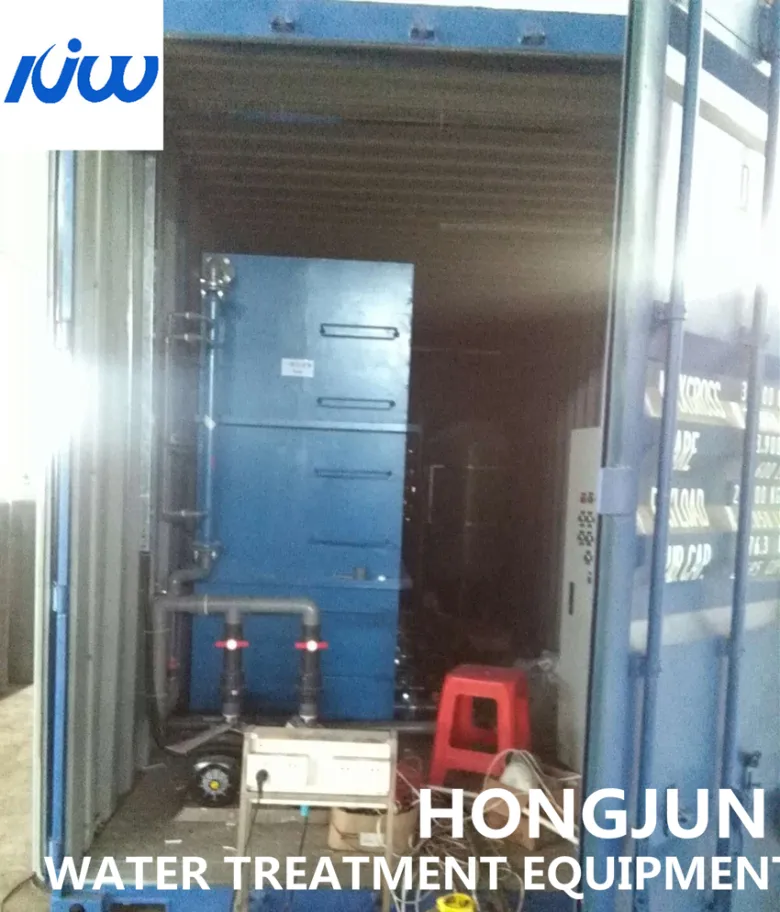
Are you struggling with seawater treatment efficiency? It’s a challenge many face, and I’ve been there too. The complexities of treating seawater can leave you feeling overwhelmed, whether it’s about managing costs, ensuring quality, or adhering to regulations.
Let’s break this down.
Identify the Pain Points
First, let’s acknowledge the common issues: high operational costs, inefficient processes, and the constant pressure to meet environmental standards. These factors can make your seawater treatment efforts feel like an uphill battle.
Step-by-Step Solutions
Assess Your Current System
Take a good look at your existing setup. Are there any outdated components? Perhaps your filtration system needs an upgrade. Identifying weaknesses is the first step toward improvement.
Optimize Processes
Streamlining your processes can lead to significant gains. Consider automation for repetitive tasks. This not only saves time but also reduces human error.
Invest in Technology
Embracing new technologies can enhance efficiency. For instance, advanced monitoring systems can provide real-time data, helping you make informed decisions on the fly.
Train Your Team
A well-trained team is your best asset. Regular training sessions ensure that everyone is up to date with the latest techniques and technologies in seawater treatment.
Evaluate and Adjust
Finally, continuously evaluate your results. Are you seeing improvements? If not, don’t hesitate to adjust your strategies. Flexibility is key in this ever-evolving field.
Conclusion
Improving seawater treatment efficiency is not just a dream; it’s entirely achievable. By assessing your system, optimizing processes, investing in technology, training your team, and being willing to adjust, you can overcome the challenges that come your way.
Remember, every step you take towards efficiency not only benefits your operation but also contributes to a healthier environment. So, let’s dive in and maximize your seawater treatment efficiency today!
For any inquiries regarding the content of this article, please contact Candie Liang: hongjun@hjwater.cn/WhatsApp ++8618823149433.
References
Candie Liang 2023 Seawater Treatment Systems: Ensuring Optimal Performance
Candie Liang 2023 Enhancing Efficiency in Seawater Treatment Processes
Candie Liang 2023 Unlocking the Secrets to Effective Seawater Treatment
Candie Liang 2023 Maximizing Efficiency in Seawater Treatment Systems
Candie Liang 2023 Practical Solutions for Common Seawater Treatment Challenges
Candie Liang 2023 Expert Insights on Seawater Treatment System Maintenance
