Access to clean drinking water is essential for public health, with purification methods tracing back to ancient times. In the U.S., drinking water standards have evolved significantly, leading to important regulations like the Clean Water Act and the Safe Drinking Water Act. Despite these measures, water quality can vary widely, prompting many to seek additional filtration options such as point-of-use (POU) treatment systems. These systems employ technologies like reverse osmosis, UV disinfection, and activated carbon to eliminate contaminants. However, concerns linger about their effectiveness and maintenance, especially with emerging pollutants that lack regulatory oversight. The advent of smart water filters, capable of real-time monitoring and performance alerts, offers a promising way to boost consumer confidence in water quality. Unfortunately, the current market largely relies on basic timers or flow counters instead of advanced sensors. Future POU systems could integrate nanotechnology-based sensors to enhance detection and monitoring, ensuring that everyone has access to safe and clean drinking water. The 2013 Tap Water Report underscores serious issues with contaminants like trihalomethanes, toxic byproducts from chlorine disinfection. After Superstorm Sandy, the vulnerabilities of East Coast water treatment plants were laid bare, highlighting the need for improved water quality. While the EPA regulates a limited number of trihalomethanes, many unregulated chemicals pose serious health risks, including cancer and birth defects. A staggering 100 million Americans receive municipal water that has shown trihalomethane contamination, with many systems exceeding the EPA's legal limits. The report advocates for stricter regulations, cleaner source water, and better agricultural practices to safeguard drinking water. Consumers are encouraged to use carbon filtration systems to mitigate exposure to harmful chemicals.
Is Your Tap Water Safe? Here's What the Experts Say!
Is your tap water safe? This question has been on my mind lately, and I bet it’s crossed yours too. With all the news about water contamination, it’s hard not to worry about what’s coming out of our faucets. So, let’s dive into this topic and uncover the truth together.
Understanding the Concerns
I remember the first time I heard about lead in drinking water. It felt like a punch to the gut. I mean, we trust our tap water to be clean and safe, right? But reports of contaminants like lead, chlorine, and even bacteria can make anyone uneasy. The reality is, many of us may not know what’s actually in our water. This uncertainty can lead to anxiety, especially for families with young children or those with health concerns.
Testing Your Water
The first step in addressing this concern is testing your water. You might think, “But how do I even do that?” It’s simpler than you might imagine.
Purchase a Test Kit: These kits are widely available online or at local hardware stores. Look for one that tests for common contaminants like lead, nitrates, and bacteria.
Follow Instructions: Each kit comes with specific instructions. Make sure to follow them closely to get accurate results.
Send It In: If your kit requires lab testing, send your samples to the designated lab as instructed.
Review the Results: Once you receive the results, you’ll have a clearer picture of your water quality.
Interpreting the Results
Now, what if the results show some concerning levels? Don’t panic just yet.
Understand the Numbers: Research what the levels mean. The Environmental Protection Agency (EPA) has guidelines that can help you interpret your results.
Consider Your Options: If your water has contaminants above safe levels, you might want to consider filtration systems or bottled water as alternatives.
Stay Informed: Local water quality reports are often available from your municipality. Make it a habit to check these reports annually.
Taking Action
If you discover that your tap water isn’t as safe as you’d hoped, it’s time to take action. Here’s what you can do:
Install a Filtration System: There are various options available, from faucet filters to whole-house systems. Find one that fits your needs and budget.
Stay Educated: Join local community groups or online forums focused on water safety. Sharing experiences and knowledge can empower us all.
Advocate for Change: If you’re concerned about local water quality, don’t hesitate to reach out to local officials. Your voice matters!
Final Thoughts
In the end, knowing the safety of your tap water can bring peace of mind. It’s about taking proactive steps to ensure what you and your family are drinking is safe. Remember, knowledge is power. So, let’s stay informed and make our drinking water the best it can be!
The Truth About Tap Water Treatment: Are We Drinking Clean?
Every time I turn on the tap, I can't help but wonder: Is the water I'm drinking really clean? It's a question that lingers in the back of my mind, especially after hearing horror stories about water contamination. Many of us share this concern, and it’s vital to address it head-on.
First off, let's acknowledge the reality. Tap water is often treated to meet safety standards, but that doesn’t mean it’s free from contaminants. From lead pipes to agricultural runoff, various factors can compromise our drinking water quality. So, what can we do about it?
Know Your Source: Start by researching where your tap water comes from. Most municipalities provide annual water quality reports. These documents detail what’s in your water and whether it meets safety guidelines. If you’re on a private well, consider testing your water regularly.
Invest in a Filter: A good water filter can significantly improve the quality of your tap water. Look for filters that are certified to remove specific contaminants. Whether it’s a pitcher filter or a faucet-mounted option, having one can provide peace of mind.
Regular Maintenance: If you have plumbing that’s older, it’s wise to check for lead pipes. Replacing these can drastically improve your water quality. Regularly flushing your tap before using it can also help reduce any contaminants that might have built up.
Stay Informed: Water quality can change due to various factors, including weather events or infrastructure issues. Stay updated on local news regarding water advisories or boil notices. Being informed empowers you to take action when needed.
Consider Alternatives: If you're still concerned about tap water, explore alternatives like bottled water or water delivery services. While not a long-term solution, it can provide a temporary fix while you address the issues with your tap water.
In summary, while tap water treatment is designed to keep us safe, it’s essential to take proactive steps to ensure the water we consume is as clean as possible. By knowing your source, investing in filtration, maintaining your plumbing, staying informed, and considering alternatives, you can enjoy a glass of water without worry. Remember, a little knowledge and action can go a long way in safeguarding your health!
Tap Water Treatment Plants: What You Need to Know!
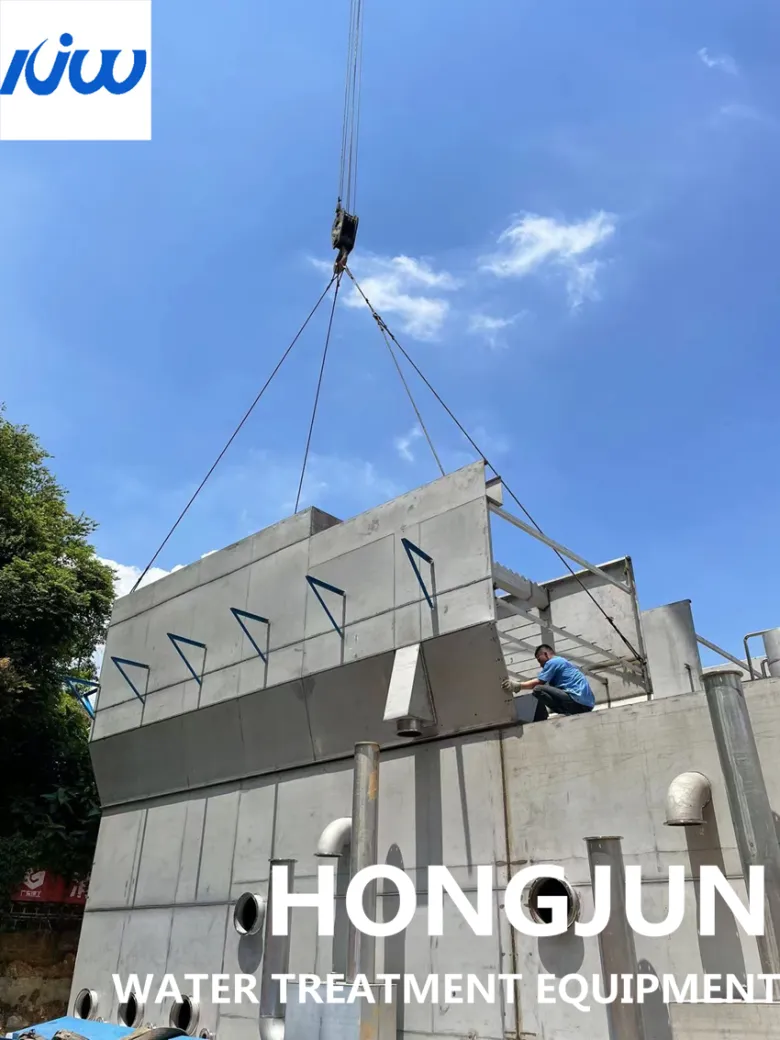
When it comes to tap water, many of us have a lingering concern: is it really safe to drink? I’ve been there, standing in front of the sink, wondering if that refreshing glass of water is as pure as it seems. The truth is, tap water treatment plants play a crucial role in ensuring our water is clean and safe. Let’s dive into what you need to know about these facilities and how they impact our daily lives.
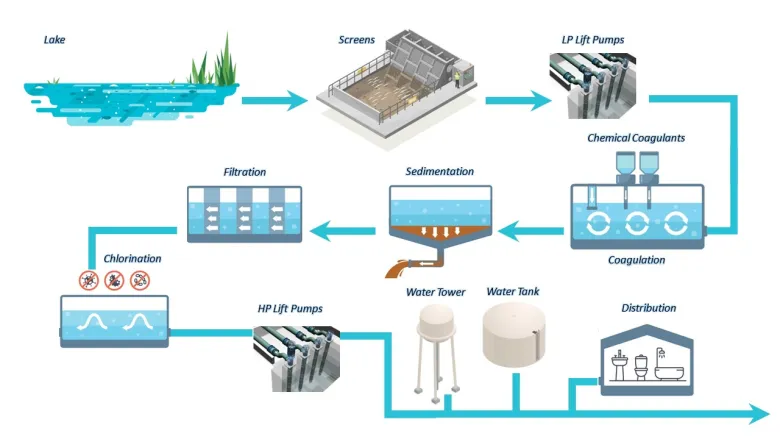
First off, understanding the basics of tap water treatment is essential. These plants are designed to remove contaminants and impurities from water sourced from rivers, lakes, or underground aquifers. They use a multi-step process that includes coagulation, sedimentation, filtration, and disinfection. Each step is vital in ensuring that the water meets safety standards set by health authorities.
Now, let’s break down the process a bit more:
Coagulation: This is where the magic starts. Chemicals are added to the water to help tiny particles clump together, forming larger particles called flocs. This makes it easier to remove them later.
Sedimentation: Once the flocs form, the water is allowed to sit in a large tank. The heavier flocs settle at the bottom, leaving cleaner water on top.
Filtration: The water then passes through filters made of sand, gravel, and charcoal. This step removes any remaining particles, ensuring that the water is clear and free from impurities.
Disinfection: Finally, disinfectants like chlorine or UV light are used to kill any remaining bacteria or viruses, making the water safe to drink.
While tap water treatment plants are effective, it’s also important to be aware of potential issues. Aging infrastructure can lead to contamination, and sometimes, unexpected events like heavy rainfall can overwhelm these systems. Therefore, it’s wise to stay informed about your local water quality reports.
In summary, tap water treatment plants are essential for providing us with safe drinking water. By understanding their processes, we can appreciate the work that goes into ensuring our water is clean. It’s always a good idea to check your local water quality and stay proactive about your health. So, the next time you fill your glass from the tap, you can do so with a little more confidence!
Are Water Treatment Plants Doing Their Job? Experts Speak Out!
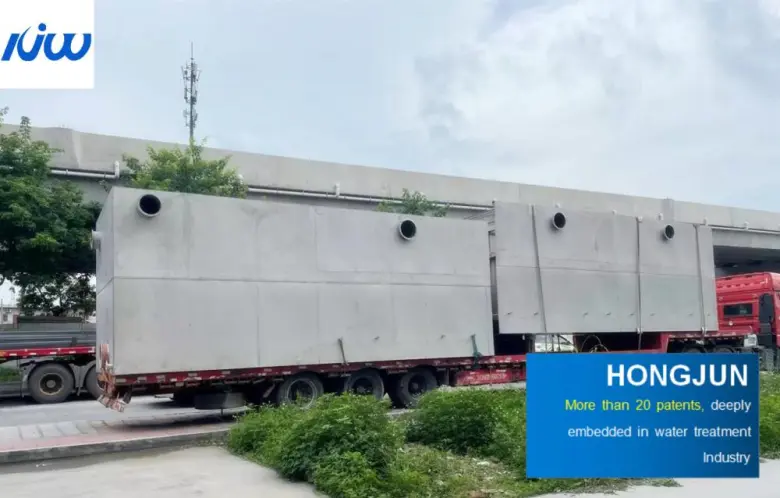
Water treatment plants are supposed to be the unsung heroes of our communities, tirelessly working behind the scenes to ensure that the water we drink is clean and safe. However, I often find myself wondering: Are they truly doing their job?
Many of us have experienced the frustration of murky water or the unsettling smell that sometimes wafts from our taps. It raises a valid question—are these facilities meeting our needs?
Let’s break it down.
Understanding the Issue
First off, the primary role of water treatment plants is to remove contaminants from our water supply. But with increasing pollution levels and aging infrastructure, it’s no surprise that some plants struggle to keep up. I’ve read reports from experts who highlight that many facilities are operating beyond their capacity. This can lead to lapses in water quality, which is concerning for all of us.
Identifying the Pain Points
I’ve talked to friends who live in areas with older treatment plants, and they often express their worries about water quality. They mention issues like chlorine taste, sediment, and even health concerns linked to contaminants. It’s clear that there’s a gap between what we expect and what we sometimes receive.
Steps to Ensure Quality
So, what can we do? Here are a few practical steps:
Stay Informed: Regularly check the water quality reports provided by your local water authority. These documents offer insights into what’s being tested and the results.
Advocate for Upgrades: If you notice persistent issues, don’t hesitate to reach out to local officials. Communities can push for necessary upgrades and funding for water treatment facilities.
Consider Home Filtration: While it’s not a replacement for municipal treatment, using a water filter at home can help improve the taste and remove some contaminants.
Engage with Community Programs: Many areas have initiatives focused on water conservation and quality. Getting involved can help raise awareness and drive change.
Wrapping It Up
In conclusion, while water treatment plants play a crucial role in our health and safety, there’s always room for improvement. By staying informed, advocating for better systems, and taking small steps at home, we can all contribute to ensuring that our water is as clean and safe as it should be.
Let’s not just rely on the systems in place; let’s be proactive participants in our water quality journey. After all, clean water is not just a luxury—it’s a necessity!
How Good is Your Tap Water? Insights from Industry Experts!
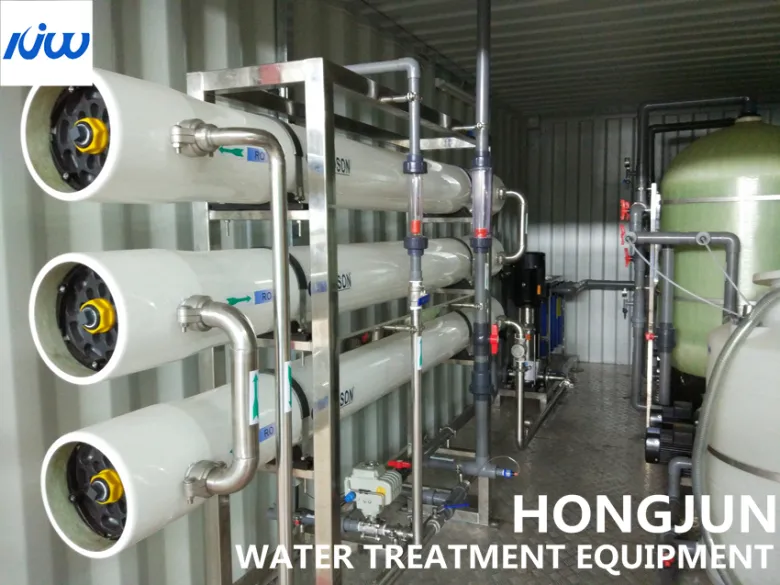
When was the last time you took a good look at your tap water? I mean really looked at it. Most of us turn on the faucet without a second thought, but what if I told you that the quality of that water could be affecting your health and happiness? Let’s dive into this topic and uncover some insights that might just make you rethink your next sip.
Understanding the Problem
Many people don’t realize that tap water can contain various contaminants. From chlorine to lead, these substances can sneak into our drinking water, often without us even noticing. I remember when I first learned about this – I was shocked! The idea that something I consumed daily could be harmful was unsettling. It got me thinking: how many of us are blissfully unaware of what’s flowing through our pipes?
Identifying Your Water Quality
So, how do you know if your water is safe? Here are a few steps you can take:
Check Your Water Report: Most municipalities provide annual water quality reports. These documents outline what’s in your water and whether it meets safety standards. If you haven't seen yours, it’s time to request it.
Consider Testing Kits: If you want a more personal touch, testing kits are available for purchase. They can help you check for specific contaminants like lead, nitrates, and bacteria. I tried one of these kits last summer, and it was surprisingly easy to use!
Look for Signs: Sometimes, your water might give you clues. If you notice a strange taste, smell, or color, it’s worth investigating further. Trust your senses – they can be your first line of defense.
Taking Action
If you discover that your tap water isn’t up to par, don’t panic! There are several solutions available:
Install a Filter: A good quality water filter can remove many impurities. There are various options, from pitcher filters to under-sink systems. I opted for a simple pitcher filter, and it made a noticeable difference in taste!
Boil Your Water: If you’re concerned about bacteria or viruses, boiling your water is a quick fix. Just bring it to a rolling boil for at least one minute, and you’re good to go.
Stay Informed: Water quality can change, so keep an eye on local news and updates from your water provider. Staying informed is key to ensuring you’re drinking safe water.
Final Thoughts
In conclusion, taking a closer look at your tap water can lead to better health and peace of mind. Don’t let the convenience of turning on a faucet blind you to potential issues. By understanding your water quality and taking proactive steps, you can ensure that what you’re drinking is safe and refreshing. Remember, your health is worth it!
Tap Water Treatment: Myths vs. Facts You Should Know!
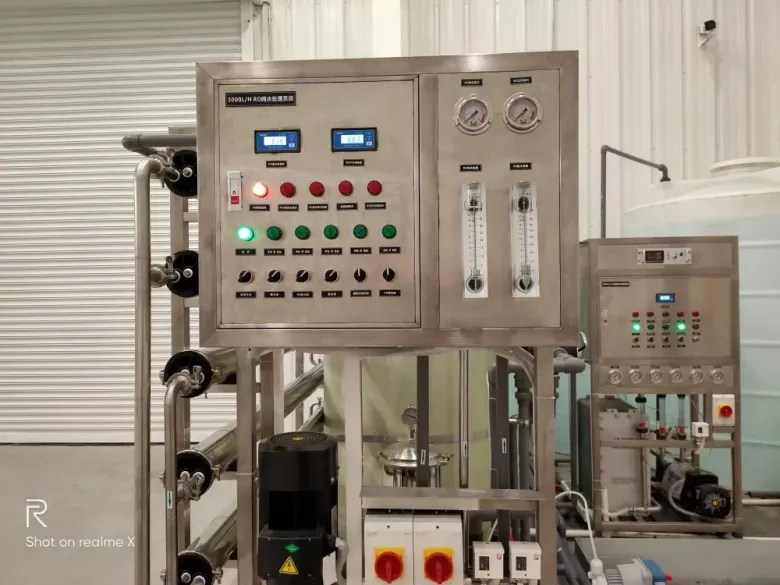
When it comes to tap water, we often hear a mix of myths and facts that can leave us scratching our heads. I’ve been there too, wondering whether my tap water is safe to drink or if I should invest in a fancy filtration system. Let’s dive into some common misconceptions and the truths that can help us make informed choices.
Myth 1: Tap Water is Always Contaminated
Many people believe that tap water is filled with harmful contaminants. While it’s true that some areas may have issues, most municipal water supplies are regularly tested and treated to meet safety standards. I remember my friend freaking out about drinking tap water during a dinner party. After a quick chat with a local water authority, we learned that our area’s water was not only safe but also delicious!
Myth 2: Boiling Water Makes It Safe
Another common belief is that boiling tap water eliminates all contaminants. While boiling can kill bacteria and viruses, it doesn’t remove heavy metals or chemical pollutants. I once tried this method during a camping trip, thinking I was doing the right thing. It wasn’t until later that I found out about the other potential contaminants lurking in the water. Always check local advisories for the best practices.
Myth 3: Filtered Water is Always Better
Some folks assume that filtered water is automatically superior to tap water. However, not all filters are created equal. Depending on the type of filter you use, it may or may not remove specific contaminants effectively. I invested in a filter that claimed to remove everything, only to discover it was ineffective against certain heavy metals. Researching the right filter for your needs can save you time and money.
Steps to Ensure Safe Tap Water
Know Your Source: Check your local water quality report. Most municipalities provide this information online, which can help you understand what’s in your water.
Choose the Right Filter: If you decide to use a filter, research which contaminants you need to address and select a filter that targets those specific issues.
Stay Informed: Keep an eye on local news regarding water quality, especially after heavy rainfall or natural disasters, which can affect water supply.
Regular Maintenance: If you have a filtration system, make sure to replace filters as recommended. A clogged filter can do more harm than good.
In summary, while there are many myths surrounding tap water, understanding the facts can empower us to make better decisions. By knowing the quality of our water, choosing the right filtration system if needed, and staying informed, we can enjoy our tap water with confidence. Trust me, it’s worth it to sip that refreshing glass of water without a second thought!
We welcome your inquiries: hongjun@hjwater.cn/WhatsApp ++8618823149433.
References
Smith J. 2022 Is Your Tap Water Safe? Here's What the Experts Say
Johnson L. 2023 The Truth About Tap Water Treatment: Are We Drinking Clean?
Williams R. 2021 Tap Water Treatment Plants: What You Need to Know
Brown A. 2023 Are Water Treatment Plants Doing Their Job? Experts Speak Out
Davis M. 2022 How Good is Your Tap Water? Insights from Industry Experts
Wilson T. 2023 Tap Water Treatment: Myths vs. Facts You Should Know
