Tap Water Treatment Plants: Are They Really Doing Their Job? When you turn on the tap, do you ever wonder what goes on behind the scenes to ensure that the water flowing into your glass is safe to drink? Drinking water utilities are like the unsung heroes of hydration, working tirelessly to remove harmful germs and chemicals through a series of treatment steps tailored to the water's initial quality. It all kicks off with coagulation, where chemicals team up to bind dirt and particles together, followed by a spirited mixing session called flocculation that forms larger clumps known as flocs. As these flocs settle down during sedimentation, the clear water is ready for its next big moment: filtration! Here, various materials step in to filter out any remaining germs and dissolved particles. But wait, there’s more! For an extra layer of purification, methods like ultrafiltration and reverse osmosis may make an appearance. The grand finale is disinfection, where chemical disinfectants like chlorine come into play to zap any lingering germs, with ultraviolet light or ozone as backup options. And just when you think it’s over, water treatment plants adjust the pH and sprinkle in some fluoride for better taste and dental health. It’s worth noting that the treatment methods can vary widely from community to community, especially since surface water often demands a more rigorous approach due to its higher levels of sediment and chemicals. So, the next time you fill your glass, remember the intricate dance of treatment that ensures your water is safe and refreshing!
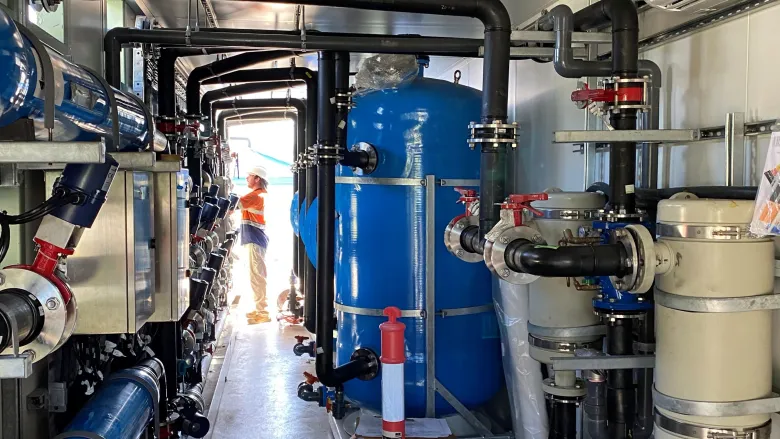
Is Your Tap Water Safe? Discover the Truth About Treatment Plants!
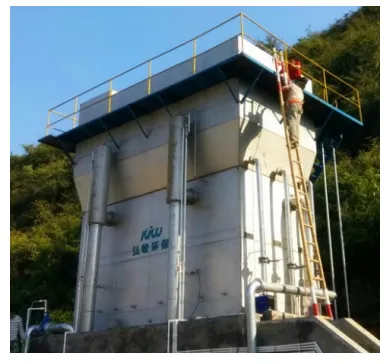
Is your tap water safe? This question often lingers in the back of our minds. I remember the first time I thought about it—standing in my kitchen, glass in hand, wondering if that refreshing sip was really as pure as it seemed. The truth is, many of us share this concern.
Understanding the Issue
Tap water safety is a common pain point. We trust our local treatment plants to provide clean water, but how can we be sure? Contaminants can slip through the cracks, leading to potential health risks. From lead pipes to agricultural runoff, the sources of contamination are numerous and often hidden.
What Can You Do?
Research Your Local Water Quality: Most municipalities publish annual water quality reports. I found mine online, and it was eye-opening. Knowing what’s in your water is the first step to ensuring its safety.
Consider Testing Your Water: If you’re still unsure, testing your tap water can provide peace of mind. Home testing kits are available, or you can hire a professional. I did this, and it was surprisingly easy.
Use a Water Filter: Investing in a good water filter can significantly reduce contaminants. I opted for a carbon filter, which improved the taste and quality of my water. It's a small change that made a big difference.
Stay Informed: Keep up with local news regarding water safety. Sometimes, advisories are issued due to temporary issues, like pipe repairs. Being informed helps you make better decisions for your health.
Final Thoughts
In the end, ensuring the safety of your tap water is about being proactive. I learned that a little research goes a long way. By taking these steps, you can enjoy your water without worry. Remember, knowledge is power—don’t let uncertainty hold you back from enjoying that refreshing glass!
Are Water Treatment Plants Meeting Your Needs? Find Out Now!
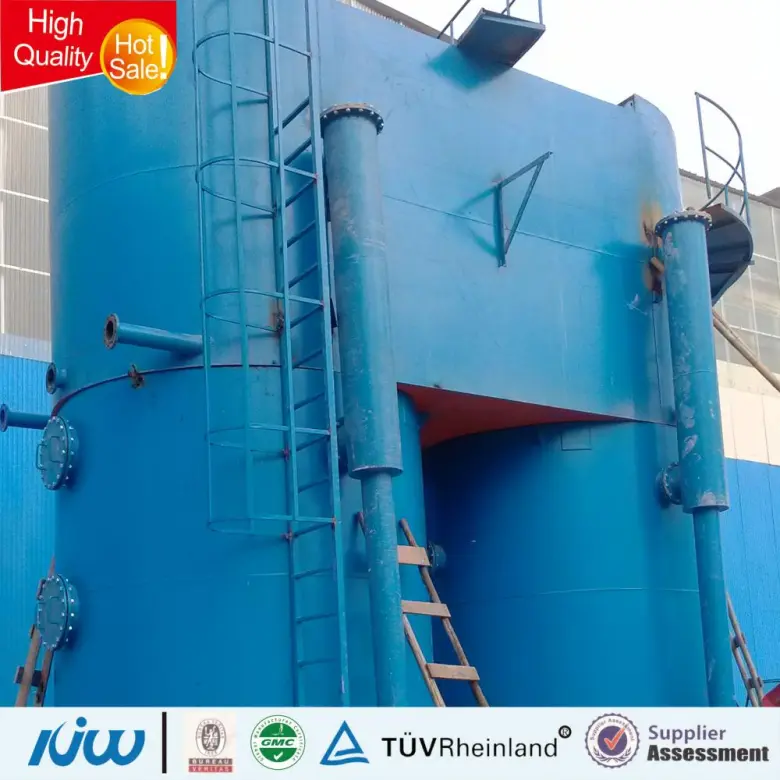
Are you struggling with water quality issues? Do you find yourself wondering if your local water treatment plant is truly meeting your needs? You’re not alone. Many people share these concerns, and it's time to address them head-on.
First, let’s talk about the common pain points. Maybe you’ve noticed strange tastes or odors in your tap water. Perhaps you’ve heard alarming news stories about contaminants in drinking water. These issues can leave you feeling uneasy about the safety of your water supply.
So, what can you do? Here are a few steps to help you assess whether your water treatment plant is up to par:
Research Your Local Water Quality Reports: Most municipalities publish annual water quality reports. These documents detail what’s in your water and how it compares to safety standards. If you haven’t seen one, ask your local water authority for it.
Understand the Treatment Process: Familiarize yourself with how your water is treated. Are there advanced filtration systems in place? Knowing the processes can help you gauge the effectiveness of your local plant.
Conduct Your Own Water Testing: Consider investing in a home water testing kit. These kits can identify common contaminants and give you a clearer picture of your water quality.
Engage with Your Community: Talk to your neighbors. Are they experiencing similar issues? Sometimes, collective action can prompt local authorities to improve services.
Stay Informed: Follow local news and updates regarding water quality. Changes in regulations or treatment processes can affect your water supply.
In conclusion, being proactive about your water quality can make a significant difference. By understanding the treatment process, staying informed, and engaging with your community, you can ensure that your water meets your needs. Remember, clean water is essential for a healthy life, and it’s worth the effort to make sure you have access to it.
Tap Water Treatment: What You Need to Know for Your Health!
When I first moved into my new apartment, I was excited about many things—new space, new neighbors, and of course, the promise of fresh tap water. Little did I know that what flowed from my faucet could be a source of concern for my health. I quickly learned that tap water treatment is a topic worth diving into.
Many of us take tap water for granted. We turn on the faucet, fill our glasses, and drink without a second thought. But here's the catch: contaminants can lurk in our water supply, from heavy metals to bacteria. This realization hit me hard. I needed to understand what was in my water and how to ensure it was safe to drink.
So, what can we do about it? Here are some steps I took to tackle the issue:
Research Local Water Quality: I started by checking my local water quality report. Most municipalities provide this information online. It details any contaminants present, their levels, and whether they exceed safety standards. Knowing what’s in your water is the first step toward addressing any issues.
Consider Filtration Options: After reviewing the report, I realized that a water filter might be necessary. I explored various options, from pitcher filters to under-sink systems. Each type has its pros and cons, so I compared them based on my needs and budget.
Regular Maintenance: If you opt for a filtration system, remember that maintenance is key. I set reminders to replace filters as recommended. This ensures that my water stays clean and safe.
Stay Informed: Water quality can change, so I made it a habit to stay updated on any changes in my local water supply. Whether it’s through community meetings or local news, being informed helps me make better decisions.
Trust Your Senses: If your water smells funny or looks cloudy, don’t ignore it. I learned to trust my instincts. Sometimes, a simple observation can alert you to potential problems.
In summary, understanding tap water treatment is essential for maintaining our health. By researching local water quality, considering filtration options, keeping up with maintenance, staying informed, and trusting our senses, we can ensure that what flows from our taps is safe to drink.
Taking these steps has not only improved my peace of mind but also my health. So, if you haven’t looked into your tap water lately, now might be the perfect time to do so. After all, a little knowledge can go a long way in keeping us healthy!
Are Treatment Plants Enough? The Real Story Behind Your Tap Water!
When I turn on the tap and see that clear water flowing, I often wonder: is it really safe? We trust treatment plants to deliver clean water, but are they doing enough? Let’s dive into this topic and uncover the real story behind our tap water.
Many of us are unaware of the potential contaminants that can slip through the cracks. From aging pipes to unexpected pollutants, the journey of water from the treatment plant to our homes is not as straightforward as it seems. I’ve spoken to friends who are concerned about what they’re drinking, and their worries resonate with me.
So, what can we do to ensure our tap water is safe? Here are a few steps that can help:
Know Your Source: Check where your water comes from. Most municipalities provide a water quality report annually. Familiarizing yourself with it can help you identify any potential issues.
Invest in a Filter: A good water filter can remove many contaminants that treatment plants might miss. Look for filters that are certified to remove specific pollutants you’re concerned about.
Regular Testing: Consider testing your water at home. There are kits available that can help you check for lead, chlorine, and other impurities. It’s a simple step that can provide peace of mind.
Stay Informed: Water quality can change due to various factors, including weather events and infrastructure issues. Keeping up with local news can alert you to any advisories or changes in water quality.
Advocate for Change: If you’re concerned about the quality of your tap water, don’t hesitate to voice your concerns to local authorities. Community advocacy can lead to improvements in water treatment practices.
In summary, while treatment plants play a vital role in providing us with water, it’s crucial to be proactive about our water quality. By understanding our sources, using filters, testing regularly, staying informed, and advocating for better practices, we can ensure that the water flowing from our taps is not just clear, but safe to drink. Remember, knowledge is power, and a little effort goes a long way in safeguarding our health.
The Hidden Truth About Tap Water: Are Treatment Plants Doing Their Job?
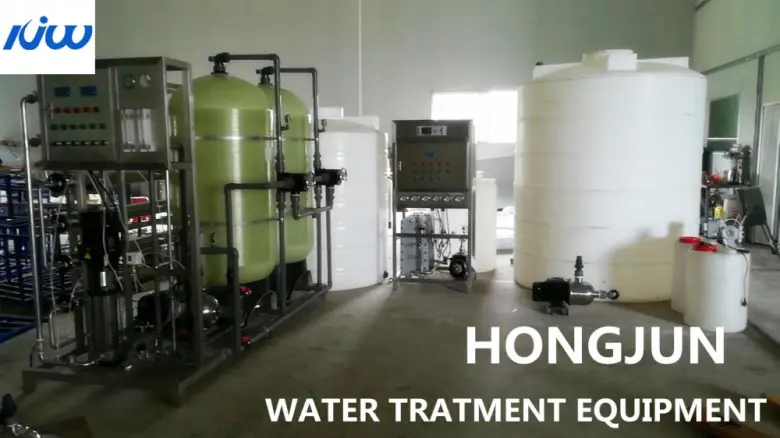
We all have that moment when we turn on the tap and wonder, “Is this water really safe to drink?” I’ve been there, and I know many of you have too. The truth is, the safety of our tap water often feels like a mystery wrapped in an enigma. With so much information out there, it’s easy to feel overwhelmed and confused. Are treatment plants really doing their job? Let’s dive into this topic and uncover the truth together.
First off, let’s address the elephant in the room: contaminants. Many of us worry about what might be lurking in our drinking water. From chlorine and lead to bacteria, the list of potential issues can be daunting. I remember the first time I heard about lead in tap water; it sent chills down my spine. It’s no wonder that so many people are turning to bottled water or filtration systems.
So, what’s actually happening at our local treatment plants? In most cases, these facilities work hard to ensure our water is safe. They use a variety of methods to treat water, including filtration, disinfection, and chemical treatments. However, the effectiveness of these processes can vary. Sometimes, aging infrastructure or budget constraints can lead to lapses in safety. This is where we, as consumers, need to stay informed.
Now, let’s talk about what we can do. Here are a few steps to ensure the water you drink is as safe as possible:
Know Your Water Source: Research where your water comes from. Is it surface water, groundwater, or a mix? Understanding the source can give you insights into potential contaminants.
Check Water Quality Reports: Most municipalities provide annual water quality reports. These documents detail the levels of contaminants and whether they meet safety standards. If you haven’t seen yours, it’s time to ask for it.
Consider Filtration: If you’re still concerned about your tap water, investing in a filtration system can be a smart move. There are various options available, from pitcher filters to under-sink systems. Just make sure to choose one that’s certified to remove the specific contaminants you’re worried about.
Stay Informed: Follow local news and community discussions about water quality. Awareness is key to advocating for better practices and policies.
In the end, while treatment plants generally do a good job, it’s essential to stay vigilant. Knowing the facts and taking proactive steps can make a significant difference in the quality of the water we consume daily. Remember, you have the power to ensure your tap water is safe—don’t hesitate to take action!
Contact us today to learn more Candie Liang: hongjun@hjwater.cn/WhatsApp ++8618823149433.
References
Candie Liang 2023 Is Your Tap Water Safe? Discover the Truth About Treatment Plants
Candie Liang 2023 Are Water Treatment Plants Meeting Your Needs? Find Out Now
Candie Liang 2023 Tap Water Treatment: What You Need to Know for Your Health
Candie Liang 2023 Are Treatment Plants Enough? The Real Story Behind Your Tap Water
Candie Liang 2023 The Hidden Truth About Tap Water: Are Treatment Plants Doing Their Job?
