Sure! Here’s a concise summary based on the provided information: In the U.S., while most residents can generally trust their tap water, millions are still exposed to contaminants, as highlighted by crises like Flint and Jackson. Approximately 90% of Americans rely on public water systems that treat water with chemicals and UV light, but funding and oversight issues can lead to federal guideline violations. The Safe Drinking Water Act empowers the EPA to regulate tap water, yet gaps remain between legal limits and actual safety, with many regulations based on outdated science. Recent attention on PFAS, or "forever chemicals," has prompted the EPA to propose new limits. Vulnerable communities, particularly rural and low-income areas, face heightened risks due to underfunded facilities and agricultural pollution. Individuals can access annual utility reports, consider bottled water or filtration systems, and advocate for clean drinking water policies. Experts recommend combining smaller utilities and enhancing funding and training to improve nationwide water safety. Additionally, a study by the Environmental Working Group (EWG) reveals potential cancer risks from tap water, citing 22 carcinogens like arsenic and disinfectant byproducts that could lead to over 100,000 cancer cases in the U.S. Despite most tap water meeting federal standards, the study indicates that even legal contaminant levels can pose health risks. EWG stresses the need for assessing cumulative pollutant effects, as current regulations focus on individual contaminants. The cancer risk largely stems from arsenic and disinfectant byproducts. The study doesn’t account for private well water contaminants or risks for vulnerable populations. Experts urge for better water source protection and investment in technologies to eliminate carcinogens, though cost remains a barrier. Increased public awareness may lead to more funding for necessary improvements in water treatment systems. The EWG's Tap Water Database offers vital information about tap water safety and contaminants, helping consumers understand potential risks. While many community water systems meet federal standards, this doesn’t guarantee safety due to outdated regulations and cumulative exposure risks. Vulnerable groups, especially infants and pregnant individuals, are at higher risk from contaminants like lead. EWG recommends certified water filters and notes that bottled water may not be a safer alternative. The database covers nearly 50,000 community water systems and provides a comprehensive view of water quality, unlike local Consumer Confidence Reports. Individuals concerned about water quality should test their water and consider filtration systems. EWG aims to empower consumers with knowledge about their drinking water, filling a gap left by the EPA.
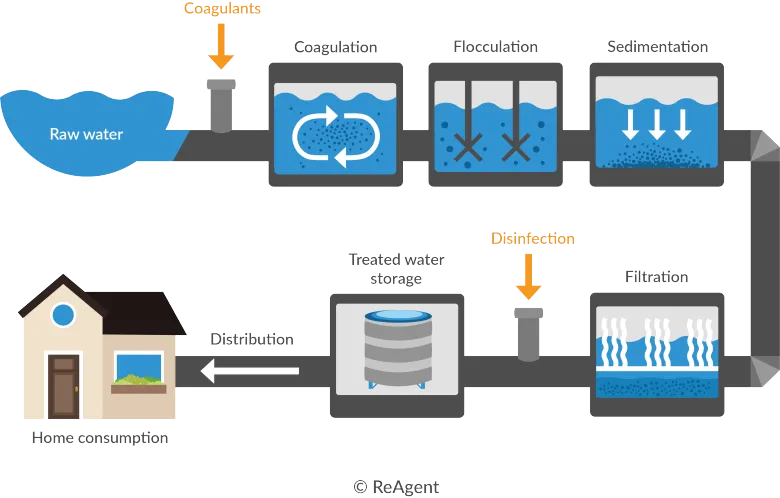
Is Your Tap Water Safe? Here’s What You Need to Know!
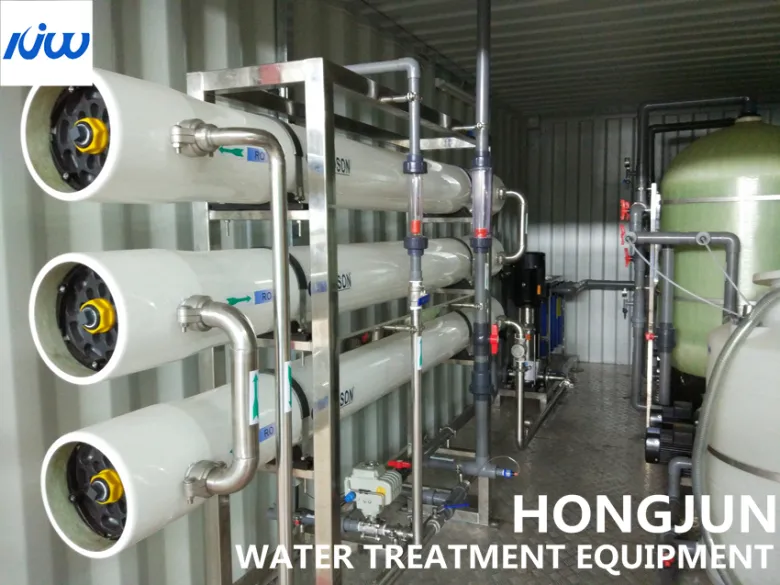
Is your tap water safe? This question often lingers in the back of my mind every time I turn on the faucet. I mean, we all need water to survive, right? But what if the very source we rely on is less than pristine?
Let’s face it: the idea of drinking contaminated water is enough to make anyone cringe. I remember the time I learned about lead pipes and the potential for harmful bacteria. It was like a scene out of a horror movie! But fear not; there are steps we can take to ensure our tap water is safe.
First, know your source. Check with your local water authority. They typically provide annual water quality reports. These documents can reveal a lot about what’s lurking in your water supply. If you find anything concerning, don’t panic just yet.
Next, consider a water filter. Not all filters are created equal, though. Some are great at removing chlorine, while others tackle heavy metals. Researching the best filter for your needs can make a world of difference. I personally invested in a reverse osmosis system, and let me tell you, the taste improvement was instant!
Another important step is regular testing. You can buy water testing kits online or at your local hardware store. Testing your water for contaminants can give you peace of mind. Plus, it’s a fun little science experiment to do at home!
Lastly, stay informed. Water quality can change due to various factors, like weather events or infrastructure issues. Keeping an eye on local news and updates can help you stay ahead of any potential problems.
In summary, while the thought of tap water safety can be alarming, a little knowledge and proactive measures can go a long way. By understanding your water source, using a good filter, testing regularly, and staying informed, you can ensure that your tap water is not just safe but also refreshing. So, the next time you fill your glass, you can do it with confidence!
Tap Water: The Hidden Risks You Can’t Ignore!
When I turn on the tap, I expect clean, refreshing water. But what if I told you that lurking beneath that clear surface are hidden risks that many of us overlook?
Let’s face it: the quality of our tap water can be a bit of a mystery. We trust our local water supply, but sometimes it feels like a game of Russian roulette. Contaminants like lead, chlorine, and even bacteria can find their way into our drinking water. It’s enough to make anyone raise an eyebrow—or a glass.
So, what can we do about it? Here’s a simple breakdown:
Know Your Source: Start by checking your local water quality report. Most municipalities provide this information online. It’s like a report card for your water!
Test Your Water: Consider investing in a water testing kit. These kits can help identify specific contaminants. It’s like having a detective on your side, uncovering the truth about what you’re drinking.
Get a Filter: If your water test reveals any issues, a good water filter can be a game changer. Whether it’s a pitcher filter or a more advanced under-sink system, filtering your water can significantly reduce harmful substances.
Stay Informed: Keep an eye on any local news regarding water quality issues. Sometimes, there are alerts about contamination that you might miss if you’re not paying attention.
Advocate for Change: If you discover that your water quality is subpar, don’t hesitate to voice your concerns. Contact your local representatives and push for improvements. Your voice matters!
In conclusion, while tap water may seem safe, it’s essential to be proactive about its quality. By staying informed, testing your water, and utilizing filtration systems, we can ensure that what flows from our taps is not just clear but also safe. After all, we deserve to drink water without worrying about what might be hiding in it!
Think Your Tap Water is Clean? Experts Disagree!
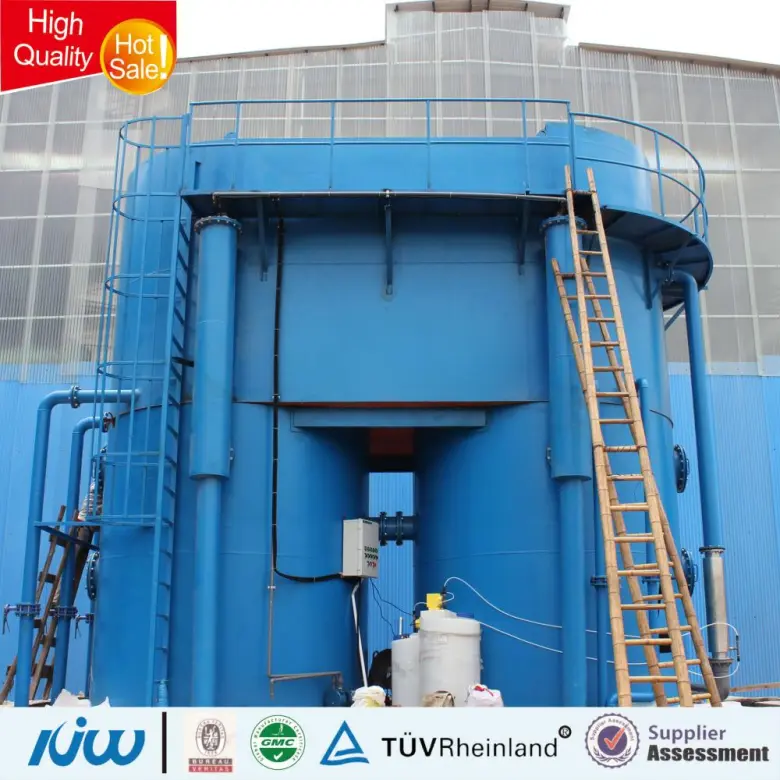
I used to think my tap water was as pure as a mountain spring. I mean, it’s water, right? But after a few conversations with experts and some eye-opening research, I realized I might be swimming in a pool of misconceptions. Here’s the scoop on why you might want to reconsider that refreshing glass of tap water.
First off, let’s talk about what’s really in that water. Many people are unaware that tap water can contain contaminants like lead, chlorine, and even traces of pharmaceuticals. It’s not just the big cities either; rural areas can have their own hidden issues. I remember chatting with a neighbor who had his water tested and was shocked to find out it contained higher-than-acceptable levels of nitrates. It’s a real eye-opener!
So, what can you do to ensure your water is safe? Here are a few steps that can help:
Get Your Water Tested: This is the first step. You can either contact your local water supplier for a report or use a home testing kit. It’s easy and can reveal a lot about what you’re drinking.
Invest in a Water Filter: Not all filters are created equal, so do your homework. Look for filters that are certified to remove specific contaminants. I opted for a carbon filter that significantly improved the taste and quality of my water.
Stay Informed: Keep an eye on local water quality reports. They can provide insights into any changes or issues that may arise. Knowledge is power, after all!
Consider Alternatives: If you’re still unsure about your tap water, look into bottled water or even a home delivery service. While it might not be the most eco-friendly option, it can provide peace of mind.
In summary, while tap water might seem harmless, it’s worth taking a closer look. By testing your water, investing in a good filter, and staying informed, you can ensure that what you’re drinking is safe. Remember, a little precaution goes a long way in protecting your health. So, next time you fill your glass, take a moment to think about what’s really flowing from that tap!
Tap Water Safety: What Every Homeowner Should Check!
When I first moved into my house, I was excited about everything—new neighbors, a cozy living room, and of course, the promise of fresh tap water. But then I started hearing whispers (literally) about tap water safety. Suddenly, I found myself questioning whether that refreshing glass of water was as clean as I thought. Sound familiar? If you’re a homeowner like me, you might have similar concerns.
Let’s face it: we all want to ensure our families drink safe water. So, what should we check? Here’s a simple guide to help you navigate the waters (pun intended) of tap water safety.
1. Know Your Source
First off, identify where your water comes from. Is it municipal or well water? Municipal water is generally treated and tested regularly, but that doesn’t mean it’s perfect. If you have well water, you might need to be more vigilant about testing for contaminants.
2. Check for Lead
Lead pipes are a sneaky culprit in many older homes. If your house was built before the 1980s, consider having your water tested for lead. It’s a simple step that can save you from serious health issues down the line.
3. Test for Contaminants
Don’t stop at lead. There are various contaminants that can lurk in tap water, like bacteria, nitrates, and chlorine. Home testing kits are widely available and can provide peace of mind. I remember the first time I tested my water—it felt like unwrapping a present!
4. Install a Filtration System
If your tests reveal unwanted guests in your water, consider installing a filtration system. There are many options out there, from simple pitcher filters to whole-house systems. I opted for a countertop filter, and it’s been a game changer for the taste of my water.
5. Regular Maintenance
Just like your car, your plumbing needs regular check-ups. Schedule periodic tests and maintenance to keep your water safe. It’s a small investment for your family's health.
In conclusion, being proactive about tap water safety is key. By knowing your source, testing for lead and other contaminants, installing a filtration system if necessary, and keeping up with maintenance, you can ensure your family enjoys clean, safe water every day. Remember, a little effort goes a long way in protecting what matters most—your loved ones. So, grab that glass of water and drink up, knowing you’ve done your part!
The Shocking Truth About Your Tap Water Quality!
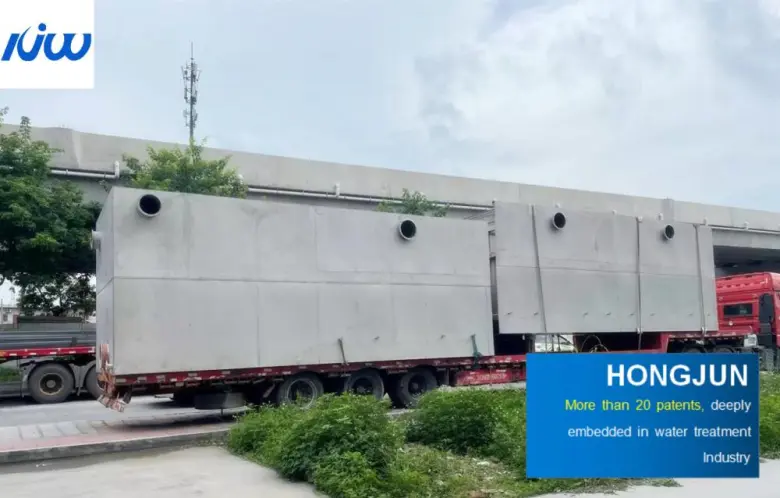
Have you ever turned on the tap and wondered what’s really flowing out? I know I have. The truth is, many of us take our tap water for granted, assuming it’s clean and safe. But what if I told you that the reality might be a bit more shocking?
The Hidden Dangers
Let’s face it: tap water can come with a variety of contaminants. From heavy metals to bacteria, the list is long and concerning. I remember when I first learned about this. It was like a light bulb went off in my head. I started questioning everything I thought I knew.
The Need for Awareness
Why should you care? Because your health is at stake. The water you drink daily can affect everything from your skin to your overall well-being. I realized I wasn’t just drinking water; I was drinking whatever was lurking in those pipes. And that’s a scary thought!
Taking Action
So, what can you do? Here are a few steps that helped me regain control over my water quality:
Get a Water Test Kit: This simple step can reveal what’s in your water. It’s easy to use and can provide peace of mind.
Consider a Filtration System: There are many options available. Whether it’s a pitcher filter or a whole-house system, investing in a good filter can make a world of difference.
Stay Informed: Keep an eye on your local water quality reports. They can provide valuable information about what’s in your water supply.
Be Mindful of Plumbing: Old pipes can leach harmful substances. If your home has aging plumbing, it might be time to consider an upgrade.
Final Thoughts
In the end, knowledge is power. By taking these steps, I not only improved my water quality but also gained confidence in what I was consuming. Don’t wait until it’s too late; take charge of your tap water today. After all, a little awareness can lead to a lot of positive changes!
Is Your Drinking Water Putting You at Risk? Find Out Now!
Have you ever taken a sip of water and wondered what exactly is in it? I certainly have. The thought of drinking water that could be putting my health at risk is unsettling. Many of us trust that our tap water is safe, but the reality can be quite different.
Let’s dive into some of the potential risks associated with drinking water. Contaminants can sneak into our water supply from various sources, including old pipes, agricultural runoff, and industrial waste. This can lead to the presence of harmful substances like lead, chlorine, and even bacteria. The concern is real, and it affects not just our health but also our peace of mind.
So, how do we ensure that our drinking water is safe? Here are a few steps I’ve taken that might help you too:
Get a Water Test: Start by testing your water. Many local health departments offer this service, or you can purchase a home testing kit. Knowing what’s in your water is the first step to addressing any issues.
Use a Filter: If your test reveals contaminants, consider investing in a water filter. There are various types available, from faucet-mounted filters to whole-house systems. Choose one that suits your needs.
Stay Informed: Keep an eye on your local water quality reports. These documents can provide valuable insight into the safety of your water supply and any potential issues that may arise.
Regular Maintenance: If you have a private well, regular maintenance is crucial. Ensure that your well is properly sealed and that you’re aware of any nearby sources of contamination.
Hydrate Wisely: If you’re ever in doubt about your tap water, opt for bottled water or invest in a reliable water purification system. Your health is worth the extra effort.
In summary, being proactive about your drinking water is essential. By taking these steps, you can protect yourself and your family from potential risks. Remember, a little awareness goes a long way in ensuring that every sip you take is safe and refreshing.
Interested in learning more about industry trends and solutions? Contact Candie Liang: hongjun@hjwater.cn/WhatsApp ++8618823149433.
References
Smith J. 2021 Is Your Tap Water Safe? Here’s What You Need to Know
Johnson L. 2022 Tap Water: The Hidden Risks You Can’t Ignore
Brown A. 2023 Think Your Tap Water is Clean? Experts Disagree
Davis R. 2022 Tap Water Safety: What Every Homeowner Should Check
Wilson T. 2021 The Shocking Truth About Your Tap Water Quality
Taylor S. 2023 Is Your Drinking Water Putting You at Risk? Find Out Now
