When it comes to choosing between tap water and bottled water, there are several factors to consider, including quality, health, safety, and convenience. Bottled water offers the convenience of on-the-go hydration, often sourced from natural springs and regulated by the FDA, but it comes at a significantly higher price and contributes to plastic waste. On the other hand, tap water is affordable, regulated by the EPA to ensure safety, and readily accessible, although it may contain chemicals that affect taste and could be contaminated by aging pipes. Each option has its own unique benefits: bottled water is frequently perceived as cleaner and safer, while tap water stands out as an eco-friendly and cost-effective choice. Ultimately, the decision hinges on personal preferences and lifestyle needs, with tap water being the budget-friendly option and bottled water appealing for its taste and perceived purity.
What Experts Really Think About Your Tap Water Quality!
When I turn on the tap, I often wonder about the quality of the water flowing out. Am I drinking something safe, or am I just one sip away from a mystery illness? It's a thought that crosses my mind every time I fill up my glass. I know I'm not alone in this; many of us have concerns about tap water quality.
First, let’s address the elephant in the room: contaminants. Tap water can contain various substances, from chlorine to heavy metals, depending on where you live. In some areas, the water may even have traces of pesticides or pharmaceuticals. This can be alarming, especially for families with young children or elderly members.
So, what can we do about it? Here are some practical steps I’ve found helpful:
Research Your Local Water Quality Report: Most municipalities provide annual water quality reports. These documents detail the contaminants present in your water supply and their levels. Knowing what’s in your water is the first step to addressing any concerns.
Invest in a Water Filter: A good water filter can significantly improve the taste and safety of your tap water. Look for filters that are certified to remove specific contaminants, such as lead or chlorine.
Test Your Water: If you’re still unsure about your tap water quality, consider getting it tested. Home testing kits are available and can provide peace of mind by revealing the actual contaminants present in your water.
Stay Informed: Water quality can change, so it’s important to stay updated. Follow local news or community boards for any alerts regarding water quality issues.
Consider Alternatives: While tap water is generally safe in many areas, if you have ongoing concerns, you might explore alternatives like bottled water or a home filtration system.
In conclusion, understanding and improving tap water quality is not just about convenience; it’s about health and safety. By taking these steps, I’ve felt more confident in what I’m drinking. After all, clean water is essential, and knowing what’s in my glass makes all the difference. So, let’s raise a glass to better tap water!
Is Your Tap Water Safe? Insights from the Pros!
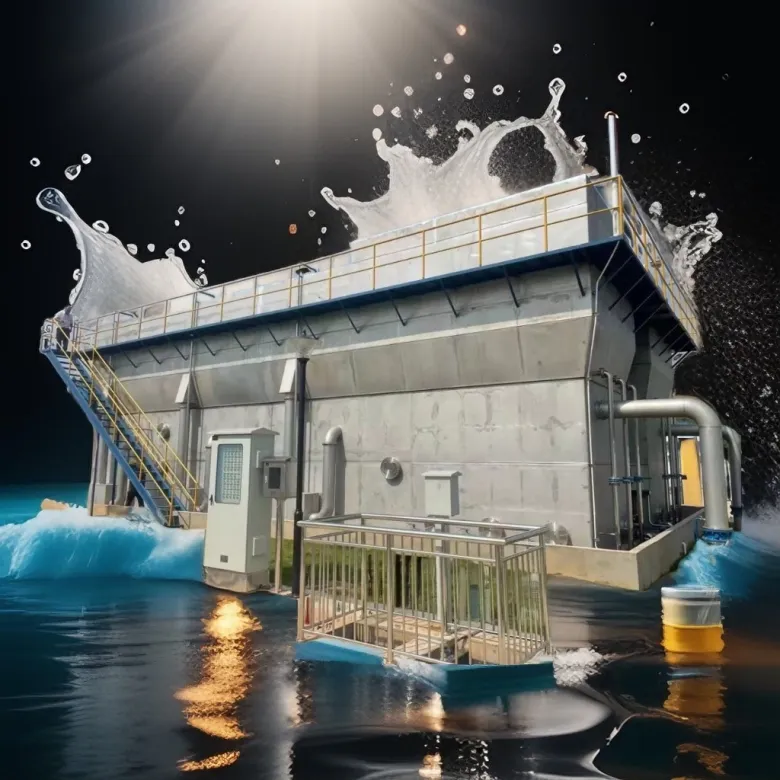
Is your tap water safe? This question often lingers in the back of our minds, especially when we hear reports about water contamination. I’ve been there, staring at a glass of water, wondering if it’s really safe to drink. Let’s dive into this topic and explore what you need to know.
First off, many people are concerned about the quality of their tap water. With various contaminants potentially lurking, it’s no wonder we’re apprehensive. From lead and chlorine to bacteria, the list of possible issues can feel overwhelming. So, how can we ensure our drinking water is safe?
Know Your Source: The first step is understanding where your water comes from. Is it from a well or a municipal supply? Each source has its own set of regulations and potential risks. If you’re on a well, regular testing is crucial.
Get Your Water Tested: Don’t leave it to chance. Testing your water can reveal hidden contaminants. You can either purchase a home testing kit or hire a professional. Either way, knowing the results can provide peace of mind.
Stay Informed: Local water quality reports are often available online. These reports can give you insight into the contaminants present in your water supply and whether they exceed safety limits.
Consider Filtration: If your tests show contaminants, or if you’re simply concerned, investing in a water filtration system might be a wise choice. There are various options available, from pitchers to under-sink systems, each catering to different needs.
Regular Maintenance: If you have a filtration system, don’t forget to maintain it. Change filters as recommended to ensure optimal performance. Neglecting this can lead to more harm than good.
In conclusion, knowing whether your tap water is safe doesn’t have to be a daunting task. By understanding your water source, testing for contaminants, staying informed, considering filtration, and maintaining your systems, you can enjoy peace of mind with every sip. Trust me, your health is worth the effort!
Tap Water Truths: What the Experts Want You to Know!
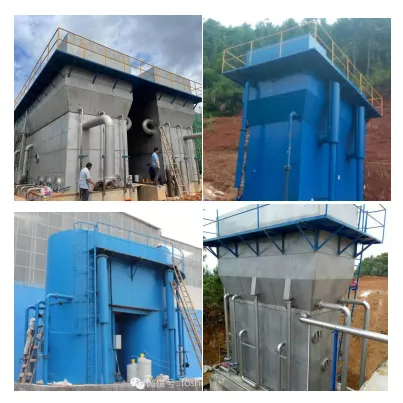
When it comes to tap water, many of us have questions swirling in our minds. Is it safe to drink? What’s really in it? I’ve been there, staring at the kitchen faucet, wondering if I should fill my glass or reach for a bottled alternative. Let’s dive into the truths about tap water that experts want us to know.
First off, let’s address the elephant in the room: contaminants. Many people worry about what might be lurking in their tap water. The good news? Most municipal water supplies are rigorously tested and treated to meet safety standards. However, old pipes and local pollution can introduce unwanted substances. So, what can you do?
Know Your Source: Start by checking your local water quality report. This document reveals what’s in your water and whether it meets safety guidelines. You can usually find it on your city’s website.
Invest in a Filter: If you’re still concerned, consider using a water filter. There are various types, from pitchers to faucet attachments. Look for filters that are certified to remove specific contaminants, like lead or chlorine.
Regular Testing: If you have private well water, testing is crucial. Unlike municipal supplies, well water isn’t regulated, so it’s up to you to ensure its safety. Test for bacteria, nitrates, and other potential issues at least once a year.
Stay Informed: Water quality can change due to seasonal factors or infrastructure issues. Stay updated by following local news and community bulletins.
Now, let’s not forget about the environmental angle. Choosing tap water over bottled water can significantly reduce plastic waste. Plus, it’s often cheaper! So, each time I fill my glass, I feel good knowing I’m making a small but impactful choice for the planet.
In conclusion, while it’s natural to have concerns about tap water, understanding the facts can ease your mind. By knowing your source, using a filter, testing regularly, and staying informed, you can confidently enjoy a refreshing glass of water straight from the tap. So next time you’re thirsty, remember: your tap may just be the best choice!
Discover What Professionals Say About Your Tap Water!
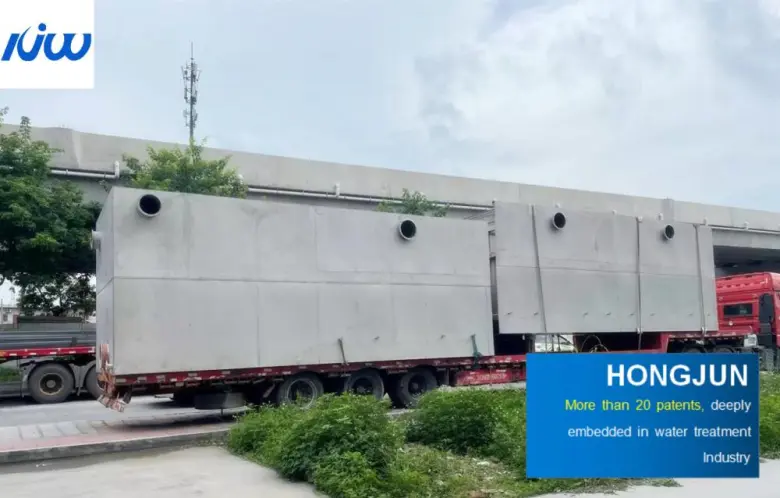
Have you ever wondered what's really in your tap water? I mean, we all trust that it's safe, right? But sometimes, I can't help but think about what might be lurking in that clear liquid. Let's dive into this topic and uncover what professionals say about our everyday water supply.
First off, many of us experience that moment of hesitation when we turn on the faucet. The water looks clean, but what about the taste? If you’ve ever taken a sip and felt that strange aftertaste, you’re not alone. It’s a common concern that can make you question whether you should be drinking it at all.
Professionals, including environmental scientists and water quality experts, often emphasize the importance of knowing what’s in our water. They suggest that regular testing is key. Here’s a simple step-by-step guide on how to get started:
Check Local Water Quality Reports: Most municipalities provide annual water quality reports. These documents detail the contaminants present in your water and their levels. You can usually find them on your local water provider's website.
Consider Home Testing Kits: If you want to take matters into your own hands, home testing kits are widely available. They can detect various contaminants, from lead to bacteria, giving you peace of mind.
Stay Informed: Follow updates from reputable sources about water quality issues. Knowledge is power, and being aware of potential problems in your area can help you make informed decisions.
Use Filters if Necessary: If testing reveals contaminants, don’t panic. There are many filtration options available, from pitcher filters to under-sink systems. Choose one that suits your needs and budget.
Stay Engaged with Your Community: Attend local meetings or forums about water quality. Engaging with experts and community members can provide insights and solutions that you might not have considered.
In conclusion, while tap water is generally safe, it's essential to be proactive about understanding its quality. Regular testing, staying informed, and using appropriate filters can help ensure that what flows from your tap is not just clear, but also safe to drink. So, the next time you fill your glass, you can do so with confidence, knowing that you've taken the steps to safeguard your health. Cheers to that!
Contact us on Candie Liang: hongjun@hjwater.cn/WhatsApp ++8618823149433.
References
Environmental Protection Agency 2022 Tap Water Quality Report
American Water Works Association 2021 Understanding Water Quality and Safety
Centers for Disease Control and Prevention 2023 Drinking Water Quality and Health
National Sanitation Foundation 2022 Water Filtration Systems Overview
World Health Organization 2021 Guidelines for Drinking Water Quality
Water Research Foundation 2022 The Importance of Regular Water Testing
