As global water challenges escalate due to population growth, climate change, and changing consumption patterns, the demand for clean and safe water is more urgent than ever. With over 2.8 billion people lacking access to safe drinking water, progress towards the United Nations' Sustainable Development Goal 6 is falling short. Desalination technologies, particularly reverse osmosis, are stepping into the spotlight as potential solutions, but traditional methods can be capital-intensive and energy-hungry, raising environmental concerns. The future lies in innovative approaches like brackish water desalination and wastewater reuse, which promise sustainability. Emerging technologies, including small-scale desalination units and capacitive deionization, are particularly promising in developing regions, offering low-cost and low-energy purification options. Organizations are actively working on portable purification systems that can reach remote communities, with successful trials already underway in various countries. Market-driven initiatives, such as water kiosks in Kenya, have shown significant improvements in access to safe water, yet scalability remains a challenge. The successful implementation of these solutions will hinge on supportive policies, effective governance, and robust maintenance systems to ensure long-term sustainability and effectiveness in addressing global water scarcity.
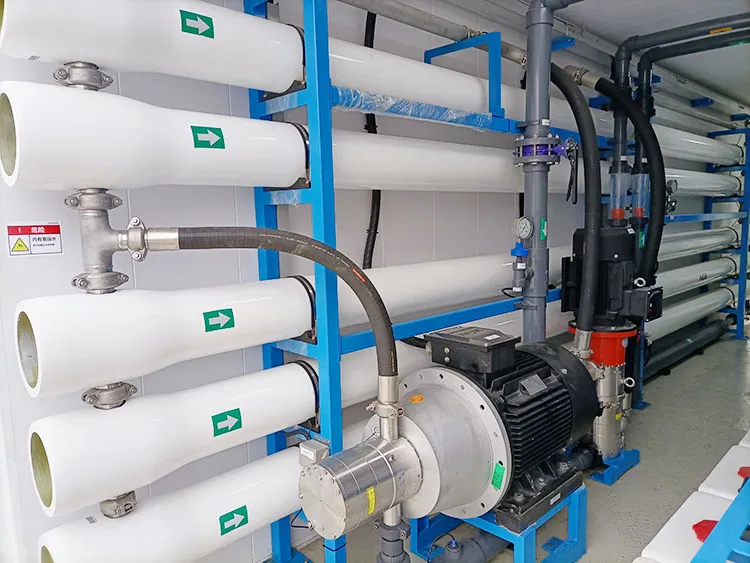
Boost Your Business Sustainability by 40% with Seawater Treatment!
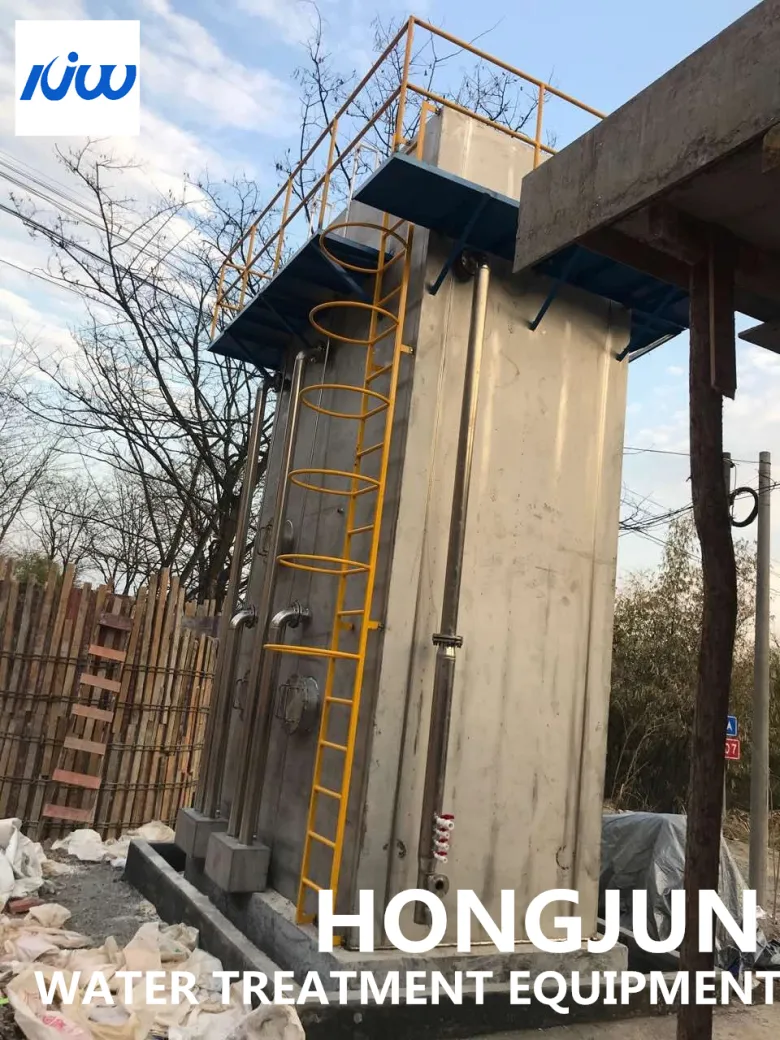
In today's business landscape, sustainability is not just a buzzword; it's a necessity. As I navigate the challenges of running a business, I often find myself grappling with rising operational costs and environmental responsibilities. The pressure to adopt greener practices is immense, yet the path can seem daunting. That's where seawater treatment comes into play, offering a practical solution that can boost business sustainability by 40%.
Let’s break it down.
Understanding the Pain Point
Many businesses struggle with water scarcity and high treatment costs. Traditional freshwater sources are becoming increasingly limited, and the cost of treating this water can eat into profits. I’ve been there, staring at bills that seem to grow taller each month while trying to maintain eco-friendly standards. It’s frustrating, right?
The Seawater Solution
Cost-Effective Treatment: Seawater treatment systems are designed to be more economical in the long run. By utilizing abundant seawater, businesses can reduce reliance on expensive freshwater sources. This means lower overall operational costs.
Sustainable Practices: Implementing seawater treatment aligns with corporate social responsibility goals. It demonstrates a commitment to sustainability that can enhance your brand image and attract environmentally conscious customers.
Innovative Technologies: Advances in technology have made seawater treatment more efficient. Modern systems can purify seawater for various uses, from cooling processes to irrigation, ensuring that every drop counts.
Regulatory Compliance: As regulations around water usage tighten, adopting seawater treatment can help businesses stay ahead of the curve. It’s a proactive approach that can mitigate risks associated with non-compliance.
Steps to Implementation
Research: Start by researching available seawater treatment technologies that fit your business needs.
Consult Experts: Engage with industry experts who can provide insights and recommendations tailored to your situation.
Pilot Program: Consider starting with a pilot program to assess the effectiveness of seawater treatment in your operations. This minimizes risks and allows for adjustments based on real-world performance.
Monitor and Optimize: Once implemented, continuously monitor the system’s performance and make necessary adjustments to maximize efficiency.
Final Thoughts
Transitioning to seawater treatment might seem like a big leap, but the potential benefits are substantial. Not only can it enhance your business's sustainability efforts, but it can also lead to significant cost savings. Embracing this innovative solution could very well be the key to thriving in an increasingly eco-conscious market.
So, why not take that first step today? Your business—and the planet—will thank you!
Transform Your Operations: Seawater Treatment for a Greener Future
In today's world, the need for sustainable practices is more pressing than ever. As I navigate the complexities of running operations, I often find myself grappling with the environmental impact of traditional water treatment methods. The challenge is clear: how can we transform our operations to be more eco-friendly while maintaining efficiency?
Seawater treatment emerges as a viable solution. Not only does it address water scarcity, but it also reduces reliance on freshwater sources, which are becoming increasingly stressed. By embracing seawater treatment, we can significantly lower our environmental footprint. Here’s how you can make this transformation:
Assess Your Current Operations: Take a close look at how water is currently being treated in your operations. Identify the pain points, such as high costs or excessive waste.
Research Seawater Treatment Technologies: Explore the various technologies available for seawater treatment. Options like reverse osmosis and desalination can effectively convert seawater into usable water.
Pilot Testing: Before a full-scale implementation, conduct pilot tests to evaluate the effectiveness of the chosen seawater treatment method. This step is crucial to understand the operational adjustments needed.
Training and Development: Equip your team with the necessary skills to operate and maintain the new systems. Training ensures that everyone is on the same page and can maximize the benefits of the new technology.
Monitor and Optimize: Once the system is in place, continuously monitor its performance. Look for areas of improvement and optimize the process to enhance efficiency and reduce costs.
By following these steps, you can transform your operations and contribute to a greener future. The benefits extend beyond just compliance; they include cost savings and a positive reputation in the market.
In conclusion, transitioning to seawater treatment is not just a trend, but a necessity for sustainable operations. As I reflect on this journey, I realize that every small step counts towards a larger goal of environmental stewardship. Together, we can make a significant impact.
Unlock 40% More Sustainability with Seawater Solutions
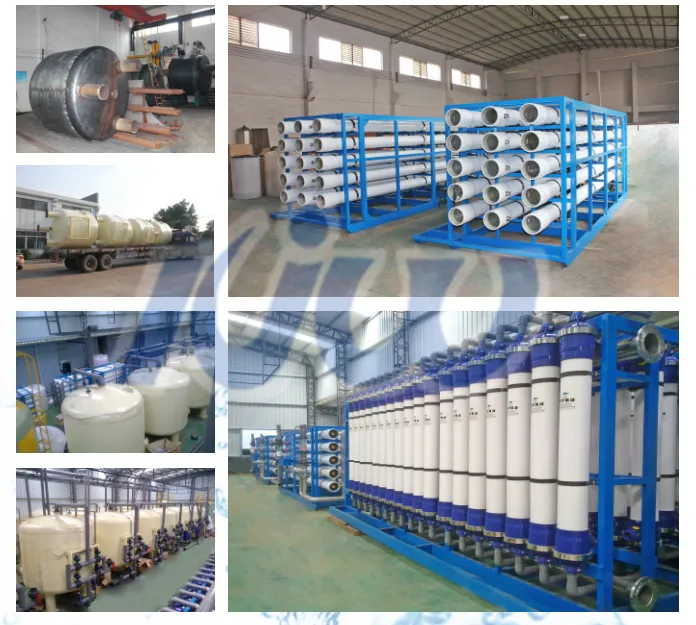
In today’s world, sustainability is not just a buzzword; it’s a necessity. As I navigate my daily business, I often encounter clients who are eager to adopt greener practices but feel overwhelmed by the options available. The pressing question is: how can we unlock more sustainable solutions without complicating our lives?
One promising avenue is seawater solutions. You might wonder, “How can seawater contribute to sustainability?” Let’s break it down.
First, consider the vast potential of seawater. It covers over 70% of our planet and is rich in minerals. This resource can be harnessed for various applications, from agriculture to energy production. By tapping into seawater, we can reduce our reliance on freshwater sources, which are becoming increasingly scarce.
Next, let’s explore specific steps to implement seawater solutions:
Desalination Technologies: Investing in advanced desalination processes can transform seawater into potable water. This not only addresses water scarcity but also supports agricultural irrigation, enhancing crop yields.
Salt-Tolerant Crops: Growing salt-tolerant plants can open up new agricultural frontiers. These crops thrive in saline environments, allowing us to utilize marginal lands that were previously deemed unusable.
Marine Energy: Harnessing the power of ocean waves and tides can provide a renewable energy source. This can significantly reduce carbon footprints and lead to a more sustainable energy future.
Aquaculture: Sustainable seafood farming can be achieved by using seawater, providing a reliable food source while minimizing environmental impact.
By adopting these seawater solutions, businesses can not only improve their sustainability practices but also appeal to environmentally conscious consumers.
In summary, integrating seawater solutions into our sustainability strategies is not just feasible; it’s a smart move. I’ve seen firsthand how businesses that embrace these practices not only contribute to a healthier planet but also enhance their market appeal. It’s time to dive into the ocean of possibilities that seawater offers!
Why Your Business Needs Seawater Treatment Now
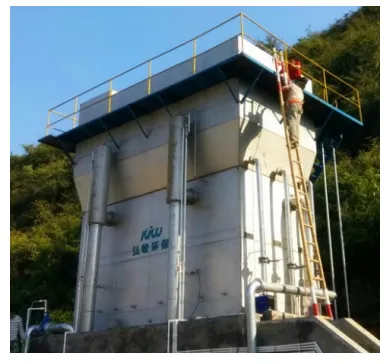
In today's fast-paced business world, many of us are grappling with a pressing issue: water scarcity. As a business owner, I often find myself wondering how to ensure a sustainable water supply while keeping costs manageable. This is where seawater treatment comes into play, and trust me, it’s more critical than ever.
Let’s face it—traditional freshwater sources are dwindling. This not only affects our operations but also impacts the environment. If you’re like me, you might be feeling the pressure to find alternative solutions. Seawater treatment is one of those solutions that can transform your business's water management strategy.
So, how can you implement seawater treatment effectively? Here are some straightforward steps:
Assess Your Needs: Start by evaluating your current water usage. Understanding how much water your business requires will help you determine the scale of seawater treatment needed.
Research Technologies: There are various technologies available for seawater desalination, such as reverse osmosis and distillation. Take the time to research which method aligns best with your business requirements and budget.
Consult Experts: Don’t hesitate to reach out to professionals in the field. Their expertise can guide you in selecting the right system and ensuring compliance with local regulations.
Pilot Testing: Before fully committing, consider running a pilot test. This allows you to evaluate the effectiveness of the system and make adjustments as necessary.
Implementation and Training: Once you’ve settled on a solution, it’s time for implementation. Ensure your team is well-trained on the new system to maximize efficiency.
Monitor and Optimize: After installation, continuous monitoring is key. Regularly check the system’s performance and look for opportunities to optimize processes.
By taking these steps, you not only secure a reliable water source but also position your business as a leader in sustainability. The benefits extend beyond just operational efficiency; they resonate with customers who value environmentally-friendly practices.
In summary, seawater treatment is no longer a luxury but a necessity for businesses facing water scarcity. Embracing this technology can lead to significant cost savings, improved sustainability, and a positive impact on your brand image. Don’t wait until the water crisis hits home—act now and ensure your business thrives in the face of challenges.
Discover How Seawater Treatment Can Elevate Your Sustainability Game!
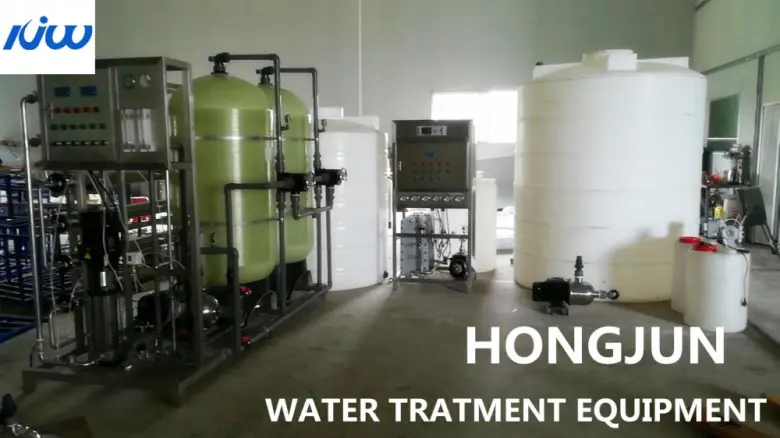
Sustainability is no longer just a buzzword; it's a necessity. As I navigate my daily life, I often find myself grappling with the question: how can I make a meaningful impact on the environment? The answer lies in an unexpected place—seawater treatment.
You might be wondering, “What does seawater have to do with sustainability?” Well, let me break it down for you. Seawater treatment is a process that utilizes the abundant resource of ocean water to address various challenges, including freshwater scarcity and energy consumption. It’s a game-changer in the quest for sustainable solutions.
First, let’s tackle the issue of freshwater scarcity. With the world’s population on the rise, the demand for clean drinking water is skyrocketing. Seawater treatment technologies, such as reverse osmosis, can convert seawater into potable water, providing a reliable source for communities in need. Imagine the relief of a village that no longer has to worry about water shortages!
Next, there’s the energy aspect. Traditional water treatment methods can be energy-intensive, contributing to greenhouse gas emissions. Seawater treatment, on the other hand, can harness renewable energy sources, such as solar or wind power, to operate more efficiently. This means less reliance on fossil fuels and a smaller carbon footprint for those involved.
Now, you might be thinking, “This all sounds great, but how can I get involved?” Here are a few practical steps to elevate your sustainability game:
Educate Yourself: Start by learning about the different seawater treatment technologies available. Knowledge is power!
Support Local Initiatives: Find local organizations or projects that focus on seawater treatment and sustainability. Your support can help drive these initiatives forward.
Advocate for Change: Use your voice to promote the importance of seawater treatment in your community. Engage with local policymakers to encourage investment in these technologies.
Make Sustainable Choices: Incorporate seawater-based products, like saltwater agriculture, into your lifestyle. This can help you contribute to a more sustainable food system.
In conclusion, seawater treatment offers a promising path toward sustainability. By harnessing the power of the ocean, we can address pressing issues like water scarcity and energy consumption. It’s time to dive into this opportunity and make a difference—one drop at a time. Let’s embrace the waves of change together!
Want to learn more? Feel free to contact Candie Liang: hongjun@hjwater.cn/WhatsApp ++8618823149433.
References
Candie Liang 2023 Boost Your Business Sustainability by 40% with Seawater Treatment
Candie Liang 2023 Transform Your Operations Seawater Treatment for a Greener Future
Candie Liang 2023 Unlock 40% More Sustainability with Seawater Solutions
Candie Liang 2023 Why Your Business Needs Seawater Treatment Now
Candie Liang 2023 Discover How Seawater Treatment Can Elevate Your Sustainability Game
