Is your Seawater Treatment System a ticking time bomb for your wallet? As the world grapples with water scarcity, especially in coastal regions, seawater desalination through reverse osmosis (RO) is emerging as a crucial solution. Countries like Saudi Arabia, the UAE, and the US are leading the charge, leveraging this technology to turn the vast oceans into a reliable source of drinking water. The RO process is a marvel: it draws in seawater, preps it by filtering out particles, applies pressure to separate salts, and delivers pure water that's safe to drink. The perks? Easy installation, higher yields compared to traditional methods, and ultra-pure water that can be remineralized for safety. But hold on—it's not all smooth sailing! There are challenges lurking beneath the surface, like the need for careful pretreatment to protect sensitive membranes, hefty energy demands, and the eye-watering costs that can put a strain on budgets, especially in developing nations. So, while RO desalination holds promise for tackling global water issues, it’s essential to weigh the financial implications. Are you ready to invest in a solution that could save your wallet from a watery disaster?
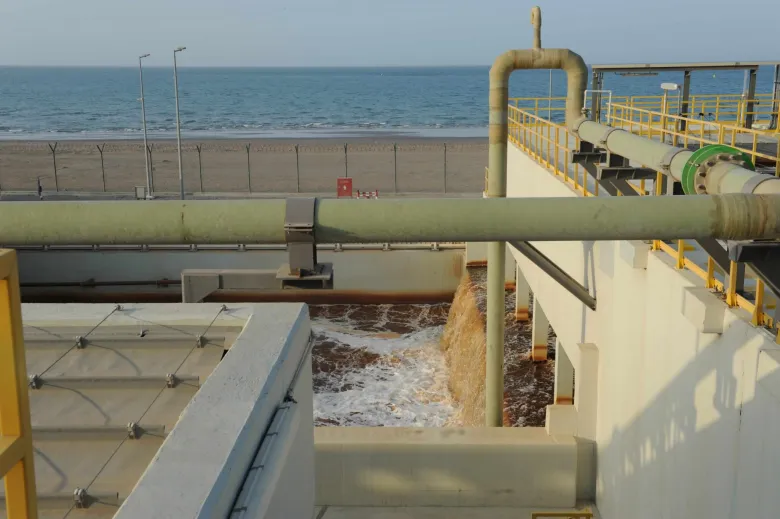
Is Your Seawater Treatment System Draining Your Budget?
Is your seawater treatment system draining your budget? If you’re like many facility managers or business owners, you might be feeling the pinch of rising operational costs. Let’s dive into the common pitfalls and explore how to optimize your system without breaking the bank.
First off, I understand the frustration. You invest in a seawater treatment system with high hopes of efficiency and sustainability, only to find that maintenance and energy costs are skyrocketing. It’s like trying to fill a bucket with a hole in it—no matter how much you pour in, it just keeps draining away.
So, what can you do to stop the financial leak? Here are a few steps I’ve found effective:
Regular Maintenance: Schedule routine check-ups for your system. Just like a car needs oil changes, your seawater treatment system requires regular maintenance to operate efficiently. Neglecting this can lead to larger issues down the line, costing you more in repairs.
Energy Efficiency: Invest in energy-efficient components. Upgrading to modern technology can significantly reduce your energy consumption. Look for systems that have high energy ratings. It might seem like a hefty upfront cost, but the savings on your utility bills will make it worthwhile.
Monitor Water Quality: Keep an eye on the quality of the seawater you’re treating. Poor water quality can lead to increased wear and tear on your system, resulting in higher maintenance costs. Implementing a monitoring system can help you catch issues before they escalate.
Staff Training: Ensure your team is well-trained in operating and maintaining the system. A knowledgeable staff can identify potential issues early and operate the system more efficiently, saving you money in the long run.
Evaluate Chemicals: Review the chemicals you are using in the treatment process. Sometimes, switching to a more efficient or less expensive alternative can cut costs significantly.
In summary, while seawater treatment systems can be costly, taking proactive steps can help you manage and reduce these expenses. By maintaining your system, investing in efficiency, monitoring water quality, training your staff, and evaluating your chemical usage, you can keep your budget intact.
Remember, it’s not just about treating seawater; it’s about treating your budget with care. With a little attention and effort, you can turn your system from a budget drain into a well-oiled machine.
Could Your Seawater System Be Costing You More Than You Think?
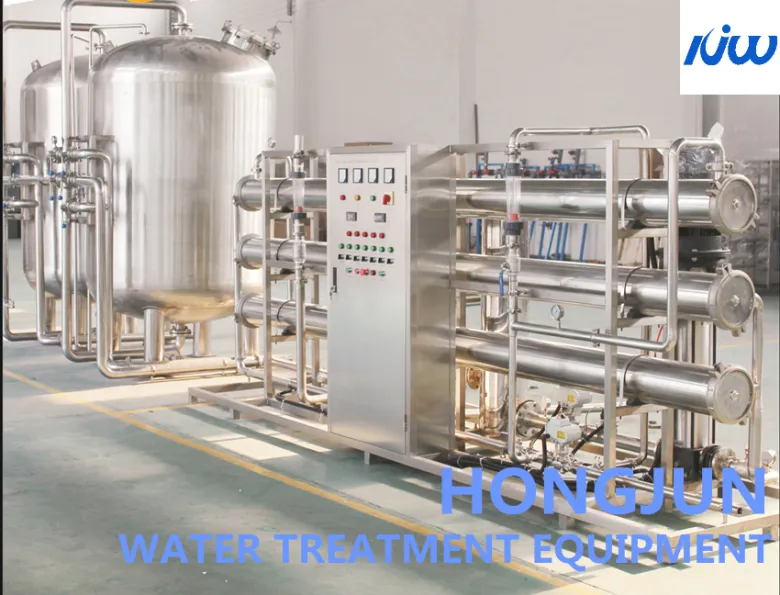
Have you ever wondered if your seawater system is costing you more than you realize? I know I did. After all, seawater systems can be a great asset for various applications, but hidden costs can sneak up on you. Let’s dive into this issue together.
First, consider the initial setup costs. It’s easy to get excited about the potential benefits of a seawater system, but I learned the hard way that installation can be more expensive than anticipated. From specialized equipment to skilled labor, the price tag can add up quickly.
Next, let’s talk about maintenance. I used to think that once a seawater system was up and running, I could just sit back and relax. Wrong! Regular maintenance is crucial to keep everything functioning smoothly. Neglecting this can lead to costly repairs down the line. I found that scheduling routine check-ups and staying on top of maintenance tasks can save a lot of money in the long run.
Then there’s energy consumption. Many people overlook how much power these systems can use. I was shocked to see my utility bills after installing mine. To tackle this, I started looking for energy-efficient options and practices. Switching to a more efficient pump or optimizing my system’s operation hours made a noticeable difference.
Lastly, let’s not forget about water quality. Poor water quality can lead to system inefficiencies and increased costs. I invested some time in understanding the importance of proper filtration and treatment methods. By ensuring that my seawater system was equipped with the right filtration solutions, I improved performance and reduced unnecessary expenses.
In conclusion, while seawater systems can be beneficial, it’s essential to be aware of the potential hidden costs. By considering setup expenses, maintenance, energy consumption, and water quality, you can avoid the pitfalls I encountered. Trust me, staying informed and proactive can lead to significant savings and a more efficient system.
Are Hidden Costs in Your Seawater Treatment System Eating Away at Profits?
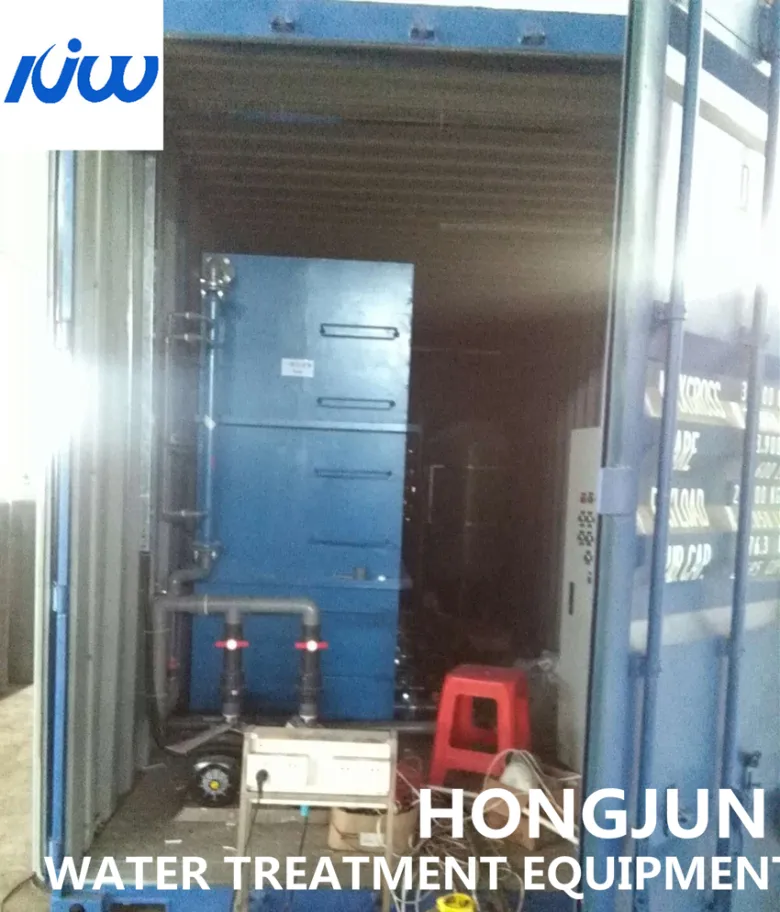
Are hidden costs in your seawater treatment system eating away at profits? If you’re nodding your head, you’re not alone. Many operators face unexpected expenses that can drain budgets and impact overall efficiency. Let’s dive into this issue and explore how we can tackle those pesky hidden costs.
First, let’s identify the common culprits. Maintenance expenses often creep up when you least expect them. Equipment failures can lead to costly repairs and downtime. I remember a time when a simple valve replacement turned into a week-long halt in operations, costing us not just in repairs but also in lost revenue.
Next, consider energy consumption. Seawater treatment systems can be energy hogs. If your energy bills are skyrocketing, it might be time to audit your system. Look for outdated equipment that could be replaced with more energy-efficient models. I once swapped out an old pump and saw a 20% reduction in my energy costs. That’s money back in my pocket!
Another overlooked area is chemical costs. Are you using more chemicals than necessary? This often happens when systems aren’t calibrated correctly. Regularly check your dosing systems to ensure they’re operating efficiently. I implemented a bi-monthly check on our chemical usage, leading to a noticeable drop in expenses.
Lastly, don’t forget about training. An untrained staff can inadvertently contribute to inefficiencies and errors, leading to increased costs. I invested in training sessions for my team, which not only improved their skills but also increased our system’s overall efficiency.
To wrap it up, keeping an eye on hidden costs in your seawater treatment system is essential for maintaining profitability. By identifying maintenance issues, optimizing energy use, managing chemical costs, and investing in staff training, you can turn those hidden costs into savings. Remember, a little proactive management today can lead to a healthier bottom line tomorrow!
Is Your Seawater Treatment System a Financial Time Bomb Waiting to Explode?
Is your seawater treatment system draining your budget faster than you can say "ocean"? If you’ve ever found yourself staring at rising maintenance costs or unexpected breakdowns, you’re not alone. Many of us are caught off guard by the financial implications of these systems, and it can feel like a ticking time bomb.
Let’s dive into the common pain points:
High Maintenance Costs: Regular upkeep can take a big bite out of your budget. I remember when I first installed my system; I thought it would be smooth sailing. Instead, I was hit with repair bills that felt like they were coming from a deep-sea treasure hunt—lots of digging, but no treasure in sight!
Unexpected Breakdowns: Just when you think everything is running smoothly, your system throws a tantrum. One day it’s fine, the next day you’re scrambling to find a technician who can fix it before your operations come to a halt. I learned this the hard way when my system decided to take a vacation right in the middle of peak season.
Inefficiency Issues: An outdated or poorly designed system can lead to inefficiencies that cost you more in the long run. I’ve seen systems that consume more energy than a small city. It’s like having a pet whale that you thought would be low maintenance, but instead, it’s eating all your snacks!
Now, how can we tackle these issues and prevent our seawater treatment system from becoming a financial disaster?
Step 1: Regular Audits
I recommend conducting regular audits of your system. Check for wear and tear and ensure everything is functioning as it should. This proactive approach can save you from costly repairs down the line.
Step 2: Invest in Quality
When it’s time to upgrade, don’t skimp on quality. I once opted for a budget-friendly option, and let’s just say, I ended up paying for it in repairs. A reliable system may cost more upfront, but it will pay off in the long run.
Step 3: Train Your Team
Ensure your team knows how to operate the system efficiently. I found that a little training can go a long way in preventing mishaps that lead to unnecessary expenses.
Step 4: Seek Expert Advice
Don’t hesitate to consult with professionals who can provide insights tailored to your specific needs. Their expertise can be invaluable in optimizing your system's performance.
In summary, while a seawater treatment system can be a valuable asset, it can also turn into a financial burden if not managed properly. By staying proactive, investing wisely, training your team, and seeking expert advice, you can keep your system—and your budget—afloat. Remember, the ocean is vast, but with the right strategies, you can navigate its waters without sinking your finances!
Are You Overpaying for Your Seawater Treatment? Find Out Now!
Are you feeling the pinch in your wallet when it comes to seawater treatment? Trust me, I’ve been there. It’s frustrating to see costs piling up without a clear understanding of where your money is going. Let’s dive into this together and uncover whether you’re overpaying for your seawater treatment.
First off, let’s identify the common pain points. Many of us are stuck paying hefty bills without knowing if we’re getting the best service or product for our money. It’s like ordering a fancy meal only to find out it’s just a glorified bowl of soup. You deserve better!
Now, how do we tackle this issue? Here are a few steps to guide you through the process:
Assess Your Current Costs: Take a close look at your current seawater treatment expenses. Break down the costs into categories—equipment, maintenance, chemicals, and labor. This will give you a clearer picture of where your money is going.
Research Alternatives: Don’t settle for the first option you find. Explore different suppliers and service providers. Compare their offerings and prices. You might be surprised at how much you can save by switching to a different provider.
Evaluate Efficiency: Sometimes, the problem isn’t the cost but the efficiency of your current system. Are there upgrades or changes you can make to improve performance? Investing in better technology could save you money in the long run.
Get Expert Opinions: Don’t hesitate to reach out to professionals in the field. They can provide insights and recommendations based on your specific needs. A little expert advice can go a long way in avoiding unnecessary expenses.
Negotiate: If you find a provider you like but their prices are a bit steep, don’t be afraid to negotiate. Many companies are willing to work with you to keep your business.
In conclusion, being proactive about your seawater treatment costs can lead to significant savings. By assessing your current expenses, exploring alternatives, evaluating efficiency, consulting experts, and negotiating prices, you can ensure that you’re not overpaying. Remember, it’s your money—make it work for you!
Is Your Seawater Treatment System a Silent Wallet Killer?
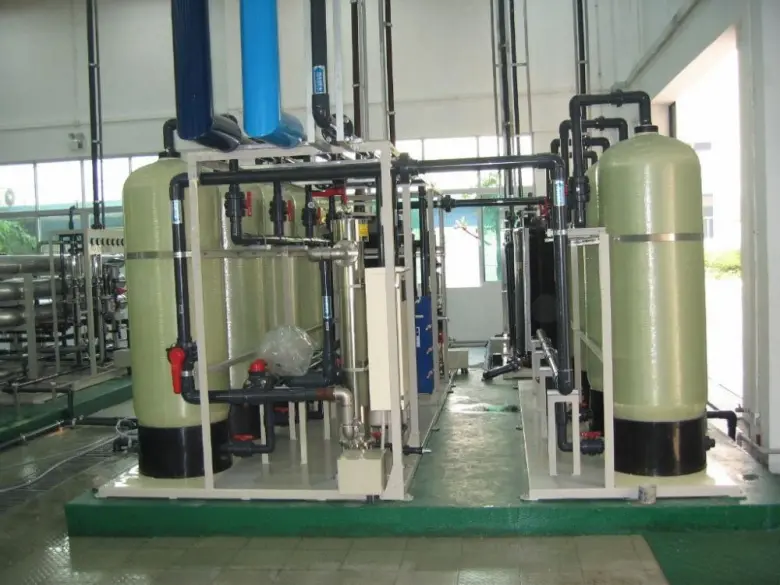
Have you ever looked at your seawater treatment system and wondered if it’s quietly draining your wallet? I know I have. The costs can creep up on you, from maintenance fees to unexpected repairs, making it feel like a silent wallet killer. But don’t worry; I’m here to break it down and help you tackle this issue head-on.
First, let’s identify the common pain points. Many of us invest in seawater treatment systems hoping to save money in the long run, only to find ourselves faced with rising operational costs. Whether it’s energy consumption, chemical usage, or regular servicing, these expenses can quickly add up. It’s frustrating, right?
Now, let’s dive into some practical steps to reduce these costs:
Regular Maintenance: Just like your car, your seawater treatment system needs regular check-ups. Schedule routine inspections to catch potential issues before they escalate. A small investment now can save you a hefty bill later.
Energy Efficiency: Check if your system is energy-efficient. Upgrading to a more efficient model can significantly lower your electricity bills. Look for systems with energy-saving features—your wallet will thank you!
Optimize Chemical Usage: Understand the chemicals your system uses and explore alternatives that may be less expensive or more effective. Sometimes, a simple adjustment in dosage can lead to savings.
Monitor Performance: Keep an eye on your system’s performance metrics. If you notice any irregularities, address them immediately. Ignoring small problems can lead to larger, more costly repairs down the line.
Educate Yourself: Knowledge is power. Familiarize yourself with the best practices for operating your seawater treatment system. The more you know, the better decisions you can make to keep costs down.
In conclusion, by being proactive about maintenance, investing in energy efficiency, optimizing chemical use, monitoring performance, and educating yourself, you can turn your seawater treatment system from a silent wallet killer into a cost-effective solution. Remember, it’s all about taking those small steps to ensure your investment doesn’t become a financial burden. Let’s keep those wallets happy!
We has extensive experience in Industry Field. Contact us for professional advice:Candie Liang: hongjun@hjwater.cn/WhatsApp ++8618823149433.
References
Candie Liang 2023 Is Your Seawater Treatment System Draining Your Budget
Candie Liang 2023 Could Your Seawater System Be Costing You More Than You Think
Candie Liang 2023 Are Hidden Costs in Your Seawater Treatment System Eating Away at Profits
Candie Liang 2023 Is Your Seawater Treatment System a Financial Time Bomb Waiting to Explode
Candie Liang 2023 Are You Overpaying for Your Seawater Treatment Find Out Now
Candie Liang 2023 Is Your Seawater Treatment System a Silent Wallet Killer
