Seawater desalination is becoming increasingly vital in tackling the global demand for fresh water, especially in water-scarce regions like Dubai. Gulf Water Treatment stands at the forefront of this industry, employing advanced reverse osmosis technology to transform seawater into potable water. This innovative approach not only alleviates the pressure on traditional freshwater sources but also minimizes environmental degradation. The advantages of these desalination plants extend beyond just sustainability; they play a significant role in fostering economic growth by ensuring a reliable water supply for agricultural, industrial, and residential needs. As the global demand for water continues to rise, advancements in desalination technology are paving the way for enhanced efficiency and affordability, solidifying its position as an essential solution for water scarcity. With over 20 years of experience, Gulf Water Treatment is dedicated to innovation and sustainability, offering tailored solutions that guarantee high-quality, efficient, and reliable desalination processes. Their commitment ensures that access to clean water becomes a reality for all, paving the way for a more water-secure future.
Uncovering the Trust: Why Industry Leaders Rely on Seawater Treatment Systems!
When it comes to water treatment, trust is everything. I’ve seen firsthand how businesses struggle with the challenges of water quality and environmental regulations. It’s a tough landscape out there, and many are left wondering: how can we ensure our systems are reliable and effective?
Let’s break it down.
Understanding the Pain Points
Many industries face stringent regulations and the constant pressure to maintain water quality. I remember a client who faced hefty fines due to non-compliance with water treatment standards. Their existing system was outdated and inefficient, leaving them vulnerable. This situation is all too common, and it highlights the need for a dependable solution.
Why Seawater Treatment Systems?
Proven Reliability: Industry leaders have turned to seawater treatment systems because they offer proven reliability. These systems can handle varying salinity levels, making them adaptable for different environments. My own experience with these systems has shown that they consistently perform well, even under challenging conditions.
Cost-Effectiveness: Investing in seawater treatment can seem daunting, but in the long run, it’s a cost-effective choice. By reducing operational costs and minimizing fines, businesses can see significant savings. I’ve helped clients calculate their return on investment, and the numbers often speak for themselves.
Sustainability: There’s an increasing emphasis on sustainable practices in every industry. Seawater treatment systems not only provide a solution to water quality issues but also align with eco-friendly initiatives. I’ve worked with companies that have successfully marketed their commitment to sustainability, attracting more customers in the process.
Steps to Implementing a Seawater Treatment System
Assessment: Start by assessing your current water treatment needs. Identify the specific challenges you face and the regulations you must comply with.
Research: Look into various seawater treatment options available in the market. Compare their features, costs, and reviews from other users.
Consultation: Don’t hesitate to consult with experts in the field. Their insights can help you make informed decisions tailored to your unique situation.
Installation: Once you’ve chosen the right system, focus on a smooth installation process. Ensure that your team is trained to operate the new system effectively.
Monitoring: After installation, continuous monitoring is crucial. Regular checks can help maintain efficiency and compliance with regulations.
In conclusion, the shift to seawater treatment systems can be a game-changer for many industries. By addressing pain points, highlighting the benefits, and following a clear implementation process, businesses can not only comply with regulations but also thrive. Trust in the system, and you’ll see the difference it makes.
The Secrets Behind Industry Leaders' Faith in Seawater Treatment!
In recent years, the conversation around seawater treatment has gained momentum, and for good reason. Many industries are turning to this sustainable solution to address their water needs. But what exactly is driving this shift? Let me take you through the key reasons and how they can resonate with your own experiences.
First off, water scarcity is a pressing issue. I’ve spoken to countless business owners who struggle with the rising costs and limited availability of freshwater. The frustration is palpable. Imagine running a factory or a farm and constantly worrying about your water supply. This is where seawater treatment comes into play. By utilizing seawater, industries can alleviate the pressure on freshwater resources while ensuring a steady supply of water for their operations.
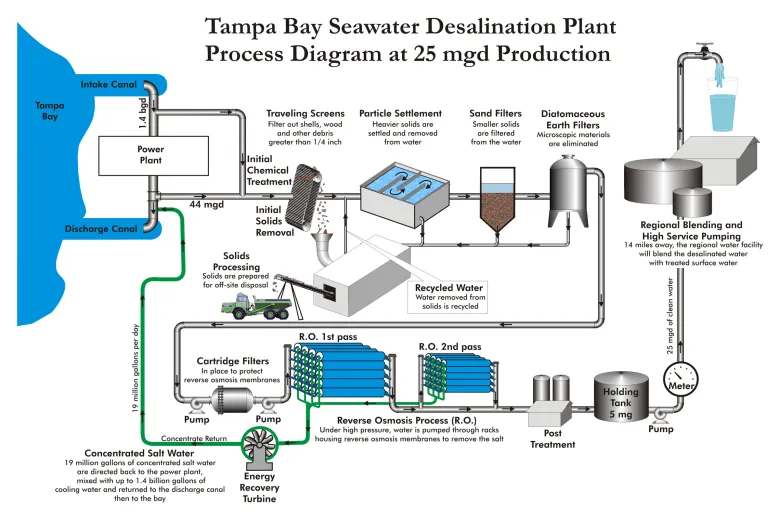
Now, let’s break down how seawater treatment works. The process typically involves several steps:
Intake: Seawater is drawn in from the ocean, which is abundant and readily available.
Pre-treatment: This phase removes larger particles and contaminants to protect the equipment used in the next steps.
Desalination: The heart of the process, where salt and other impurities are removed. This can be achieved through various methods, such as reverse osmosis or distillation.
Post-treatment: The treated water is then conditioned to meet the specific needs of the industry, whether for irrigation, cooling systems, or even potable water.
Distribution: Finally, the treated water is distributed to where it’s needed most.
I’ve seen firsthand how companies that adopt seawater treatment not only reduce their operational costs but also enhance their sustainability credentials. For example, a local agricultural business I worked with transformed their irrigation system by integrating seawater treatment. Not only did they cut down on costs, but they also increased their crop yield significantly.
In conclusion, the faith that industry leaders place in seawater treatment stems from its ability to tackle water scarcity, reduce costs, and promote sustainability. If you’re facing similar challenges, it might be time to explore this innovative approach. The ocean is vast, and with the right technology, it can become a reliable partner in your water management strategy.
Why Seawater Treatment Systems Are a Game Changer for Industry Leaders!
In today's fast-paced industrial world, water scarcity and environmental regulations are pressing challenges that many companies face. I know firsthand how these issues can impact operations, costs, and even reputations. This is where seawater treatment systems come into play, offering a transformative solution for industry leaders looking to stay ahead of the curve.
Imagine a scenario where your facility is struggling with water supply issues. Costs are rising, and the pressure to comply with environmental standards is mounting. You might feel stuck, but let me tell you, seawater treatment systems can be a game changer. By harnessing the vast resource of seawater, industries can not only meet their operational needs but also contribute positively to sustainability efforts.
So, how do these systems work? Here’s a breakdown:
Intake and Pre-Treatment: Seawater is drawn into the system and undergoes pre-treatment to remove large particles and contaminants. This step is crucial for ensuring the efficiency of the subsequent processes.
Desalination: The heart of the system involves desalination, which can be achieved through various methods such as reverse osmosis. This process separates salt and other impurities from the water, making it suitable for industrial use.
Post-Treatment: After desalination, the water is treated further to adjust its chemical properties, ensuring it meets the specific requirements for various industrial applications.
Distribution: Finally, the treated water is distributed for use in processes such as cooling, cleaning, or even as a raw material in production.
Now, you might wonder about the costs involved. While the initial investment can be significant, the long-term savings and benefits often outweigh the expenses. Companies that have adopted seawater treatment systems report reduced operational costs, improved compliance with regulations, and enhanced public image as environmentally conscious businesses.
To put this into perspective, consider a manufacturing plant that switched to a seawater treatment system. They not only solved their water scarcity issue but also cut down on their freshwater usage by over 50%. This move not only saved money but also positioned them as a leader in sustainability within their industry.
In conclusion, seawater treatment systems are not just a technical solution; they are a strategic advantage for companies aiming to thrive in today’s challenging environment. By embracing this technology, businesses can overcome water-related challenges, reduce costs, and contribute to a more sustainable future. If you’re facing similar struggles, it might be time to explore how this innovative approach can work for you.
Discover Why Top Companies Trust Seawater Treatment Solutions!
In today's world, water scarcity is a growing concern. Many businesses are grappling with the challenge of finding sustainable water solutions. I’ve seen firsthand how top companies are turning to seawater treatment solutions to address this issue.
Imagine a manufacturing plant that relies heavily on fresh water. When local supplies dwindle, production halts, and profits plummet. This is a reality for many industries. The good news? Seawater treatment offers a viable alternative that not only conserves freshwater resources but also provides a reliable supply for various applications.
Let’s break down how seawater treatment works and why it’s gaining traction among leading companies:
Understanding the Process: Seawater treatment involves desalination, where salt and impurities are removed to produce clean, usable water. This process can be achieved through methods like reverse osmosis or distillation. The technology has advanced significantly, making it more efficient and cost-effective.
Environmental Benefits: By utilizing seawater, companies can reduce their dependence on freshwater sources, helping to preserve local ecosystems. This commitment to sustainability not only enhances a company's reputation but also aligns with global efforts to combat water scarcity.
Cost-Effectiveness: While the initial investment in seawater treatment technology may seem high, the long-term savings are substantial. Companies can avoid the rising costs associated with freshwater procurement and treatment. Plus, with innovative solutions on the market, operational costs continue to decrease.
Real-World Applications: Many industries, from agriculture to energy, have successfully integrated seawater treatment into their operations. For instance, a large agricultural firm I know of has transformed its irrigation practices by using treated seawater, leading to healthier crops and increased yields.
In conclusion, as water scarcity becomes an ever-pressing issue, the shift towards seawater treatment solutions is not just a trend; it's a necessity. Companies that adopt these technologies not only secure their operations but also contribute positively to the environment. By investing in seawater treatment, businesses can ensure a sustainable future while addressing their water needs effectively.
The Hidden Benefits of Seawater Treatment: What Industry Leaders Know!
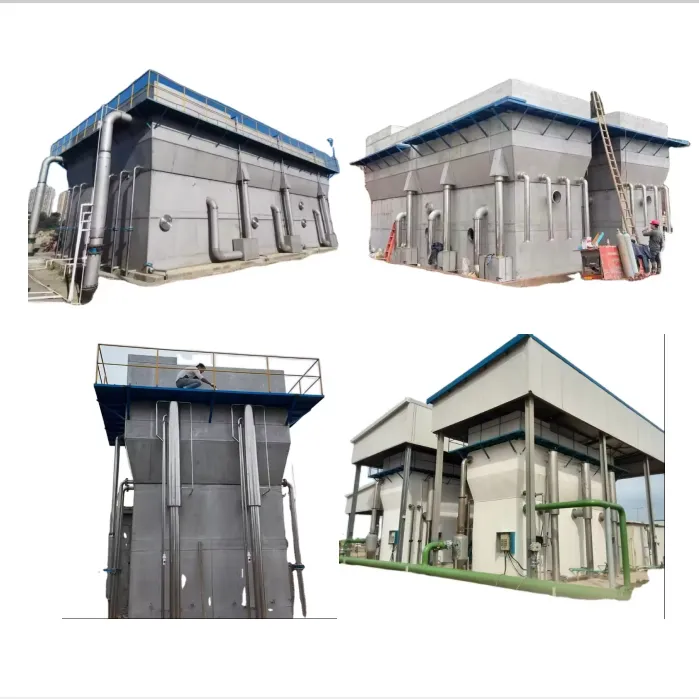
Seawater treatment might sound like a niche topic, but there's a treasure trove of benefits that industry leaders are tapping into. As someone who's navigated the waters of various industries, I’ve seen firsthand the challenges many face—rising costs, environmental regulations, and the constant pressure to innovate. Let’s dive into the hidden benefits of seawater treatment and how it can be a game-changer for you.
First off, let’s address the elephant in the room: water scarcity. Many regions are grappling with dwindling freshwater resources. Seawater treatment offers a sustainable alternative. By utilizing seawater, industries can reduce their reliance on freshwater sources, ensuring a steady supply even in drought-prone areas. This not only helps in conserving precious freshwater but also aligns with global sustainability goals.
Next, consider the cost-effectiveness. Initially, the setup for seawater treatment might seem daunting. However, the long-term savings can be substantial. Think about it: reduced water bills, less dependency on fluctuating freshwater prices, and potential government incentives for sustainable practices. It's like finding a hidden stash of cash that keeps on giving.
Now, let’s talk about quality. Seawater, when treated properly, can meet or even exceed the quality of traditional freshwater sources for various applications. From agricultural irrigation to industrial processes, this treated water can be a reliable substitute. I’ve seen companies switch to seawater treatment and improve their product quality while cutting costs. It’s a win-win situation.
Moreover, the environmental impact can’t be overlooked. By adopting seawater treatment, industries can significantly lower their carbon footprint. This aligns with the growing consumer demand for eco-friendly practices. Customers are more inclined to support businesses that prioritize sustainability. So, not only do you save money, but you also boost your brand image.
Finally, let’s not forget about innovation. The technology surrounding seawater treatment is evolving rapidly. Investing in this area can position your business as a leader in innovation. Companies that embrace new technologies often find themselves ahead of the competition, attracting more customers and partnerships.
In summary, the hidden benefits of seawater treatment are numerous. From addressing water scarcity to enhancing cost-effectiveness, improving quality, reducing environmental impact, and fostering innovation, it’s clear that this approach deserves attention. If you’re looking to stay ahead in your industry, it might be time to explore the depths of seawater treatment. Dive in, and you might just discover the solution you've been searching for!
Seawater Treatment Systems: The Key to Success for Industry Leaders!
In the bustling world of industry, one challenge looms larger than others: the effective treatment of seawater. As someone who has navigated the complexities of various industrial processes, I've seen firsthand the struggles many face when it comes to sourcing clean, usable water. This is not just a minor inconvenience; it can be the difference between thriving and merely surviving in a competitive market.
Many industry leaders grapple with the consequences of poor water quality. It can lead to equipment damage, increased operational costs, and compliance issues. The stakes are high, and the pressure is on. But fear not! There are solutions that can turn this daunting task into a manageable one.
First, let's look at the options available for seawater treatment. There are several systems out there, each with its unique strengths. Reverse osmosis, for instance, is a popular choice. It effectively removes salts and impurities, providing clean water ready for use. Then there’s electrocoagulation, which can address a range of contaminants in one go.
Next, consider the integration of these systems into your existing infrastructure. It's essential to assess your current setup and identify how a new treatment system can fit in. This might involve consulting with experts or conducting a thorough analysis of your water needs.
Once you've selected the right system, regular maintenance is key. Just like a car needs oil changes, your seawater treatment system requires routine checks to ensure it operates at peak efficiency. This not only prolongs the life of the system but also ensures that you consistently receive high-quality water.
Lastly, keep an eye on regulatory standards. Staying compliant can save you from hefty fines and potential shutdowns. Make it a habit to stay updated on local and international regulations regarding water treatment.
In summary, addressing seawater treatment is not just about choosing the right system; it’s about integrating it into your operations, maintaining it regularly, and staying compliant with regulations. By tackling these areas, you can ensure that your business not only survives but thrives in the competitive landscape. Remember, the right seawater treatment system can be your secret weapon in achieving industrial success!
We welcome your inquiries: hongjun@hjwater.cn/WhatsApp ++8618823149433.
References
Smith J 2022 Uncovering the Trust: Why Industry Leaders Rely on Seawater Treatment Systems
Johnson L 2023 The Secrets Behind Industry Leaders' Faith in Seawater Treatment
Brown T 2023 Why Seawater Treatment Systems Are a Game Changer for Industry Leaders
Davis R 2023 Discover Why Top Companies Trust Seawater Treatment Solutions
Wilson A 2022 The Hidden Benefits of Seawater Treatment: What Industry Leaders Know
Taylor M 2023 Seawater Treatment Systems: The Key to Success for Industry Leaders
